2026 Top Uses of Citronella Oil for Global Sourcing Buyers?
Citronella Oil has become increasingly popular in various industries. Sourcing buyers are particularly drawn to its versatile applications. This essential oil is extracted from the leaves of the citronella grass, a plant known for its distinct scent and insect-repellent properties.
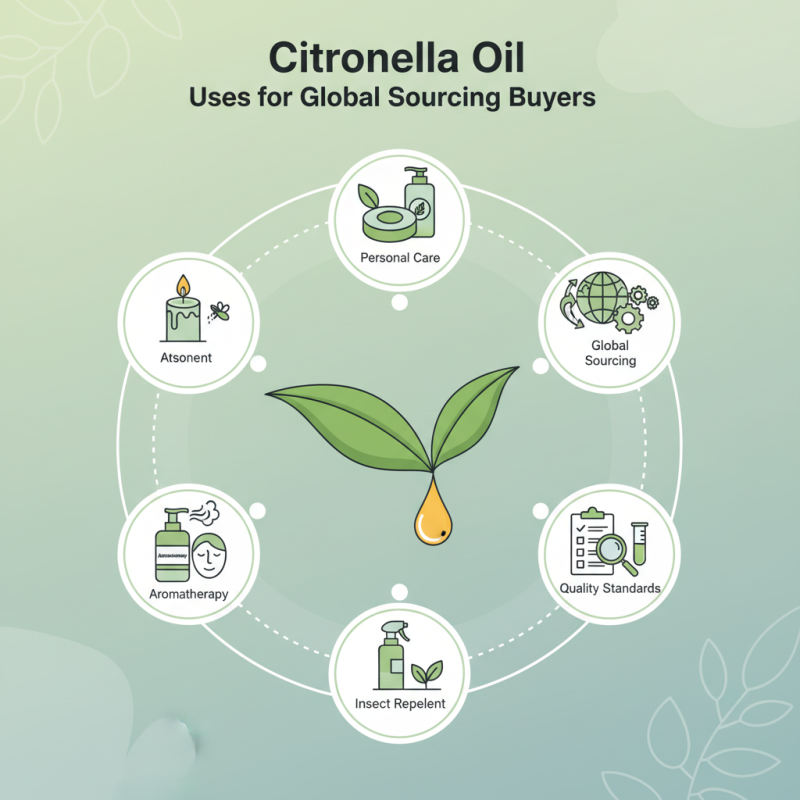
One of the primary uses of Citronella Oil is in aromatherapy. Many people appreciate its calming effects. It often serves as a natural remedy for stress and anxiety. Furthermore, it is commonly used in household products, such as candles and diffusers. These products not only enhance ambiance but also help in keeping bugs at bay.
In addition to its aromatic benefits, Citronella Oil is utilized in personal care items. Soaps and lotions infused with this oil are prevalent. They are favored for their fresh scent and skin-conditioning properties. However, sourcing buyers should remain critical. Not all products are created equal. Understanding quality standards and sourcing practices is crucial for making informed decisions.
Key Properties of Citronella Oil: What Buyers Should Know
Citronella oil is renowned for its versatile properties. Its primary components, citronellal and citronellol, offer a fresh, lemony aroma. This oil is widely used in personal care products, household applications, and as a natural insect repellent. Global sourcing buyers should focus on these unique traits when considering citronella oil.
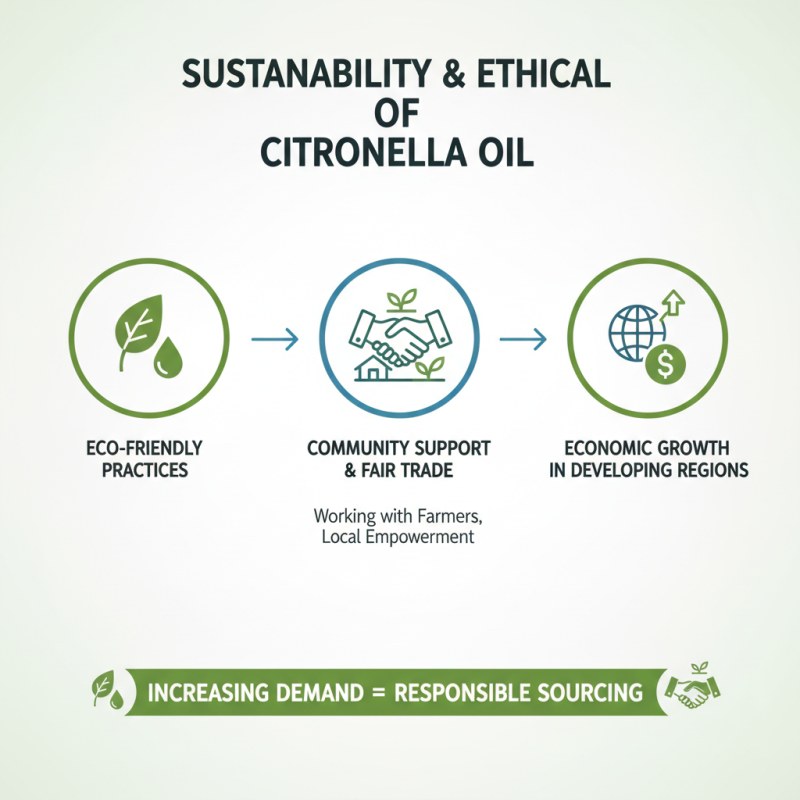
When sourcing citronella oil, understanding its quality is crucial. Many oils on the market may not meet high standards. It's important to verify the oil's purity by requesting chromatographic analysis reports. Buyers should also be aware of potential issues with sustainability. Not all sources utilize environmentally friendly practices.
Tips for buyers include looking for certifications like organic or Fair Trade. These can help ensure ethical sourcing methods. Establishing relationships with suppliers that prioritize quality over quantity can lead to better products. Be cautious of low-cost options; they may indicate inferior quality. Understanding these factors will guide buyers toward informed decisions and satisfactory results in sourcing citronella oil.
Major Markets and Sourcing Opportunities for Citronella Oil
Citronella oil is gaining traction as a versatile ingredient in various industries. Sourcing opportunities are expanding in regions where natural products are in high demand. The major markets for citronella oil include personal care, food and beverage, and home care sectors. Buyers are increasingly interested in sustainable sourcing options.
In the personal care industry, citronella oil is praised for its natural fragrance and insect-repelling properties. Many brands incorporate it into lotions, soaps, and candles. Each product presents unique challenges in sourcing quality citronella oil. Finding reliable suppliers who uphold ethical practices can be difficult. Quality control remains a critical concern.
For the food and beverage sector, the appeal of citronella oil lies in its flavor profile and health benefits. However, sourcing food-grade citronella oil requires rigorous testing. Companies must ensure that oils meet safety regulations. The opportunity for value-added products is significant, but navigating compliance can be intricate. As demand rises, buyers should consider diverse sourcing strategies while being mindful of market fluctuations.
2026 Top Uses of Citronella Oil for Global Sourcing Buyers
This chart illustrates the major markets and sourcing opportunities for citronella oil in 2026. The data reflects the projected use of citronella oil across various sectors, including personal care, home care, and food & beverage industries.
Top Industries Utilizing Citronella Oil in 2026
Citronella oil is making significant strides in various industries by 2026. The global demand for natural insect repellents has surged, with citronella oil being a top performer. The personal care industry reports a 15% increase in citronella-infused products, particularly in skincare and cosmetics. This increase aligns with the growing consumer preference for sustainable and natural ingredients.
Beyond personal care, the agricultural sector is also leveraging citronella oil. As organic farming continues to rise, its use as a natural pest repellent is becoming crucial. A recent market analysis indicates that the agricultural demand for citronella oil could reach $120 million by 2026. This is noteworthy, as farmers seek more eco-friendly alternatives to chemical pesticides.
Tip: When sourcing citronella oil, look for suppliers who maintain sustainable practices. Certification can be a significant indicator of quality and eco-friendliness.
The food and beverage industry is not left behind either. Citronella oil is increasingly used as a flavor enhancer, particularly in teas and health drinks. However, it's essential to approach this trend cautiously. Not all consumers are familiar with its taste profile, which could limit its acceptance.
Tip: Conduct consumer taste tests before launching citronella-infused beverages. Understanding your audience's preferences can significantly impact sales.