What Are 7 Facial Scrub Buying Tips for Global Buyers?
Global buyers face a crowded Facial Scrub market, where attractive packaging can hide weak formulas, unclear claims, or unreliable supply. A product may look premium in a bright catalog, yet feel harsh after one use. That gap deserves careful attention.
Dermatologist Dr. Joshua Zeichner has stated, “The goal of exfoliation is to remove dead skin cells without causing irritation.” This principle should guide every purchasing decision. Buyers need to examine ingredient lists, exfoliating particle size, skin-feel, fragrance levels, and suitability for different skin types. They should also verify supplier experience, manufacturing consistency, batch testing, and documentation for each target market.
This guide explores seven practical Facial Scrub buying tips for international buyers. It considers formula safety, product performance, labeling accuracy, packaging durability, minimum order quantities, certifications, and supplier communication. A stable formula matters. So does a container that survives humid warehouses and long sea transport. Buyers should request samples, review test reports, and compare claims with measurable evidence. “Natural” does not automatically mean gentle, and a higher price does not guarantee better quality.
Some decisions remain imperfect. Consumer preferences differ across regions, and no sample can predict every retail response. Still, a structured review reduces avoidable risk. Responsible buyers should question vague promises, confirm regulatory expectations, and keep records of supplier discussions. The strongest choice is rarely the loudest one. It is the Facial Scrub that performs consistently, communicates honestly, and fits the buyer’s market without compromising consumer trust.
Define Your Target Market and Buyer Requirements
What Are 7 Facial Scrub Buying Tips for Global Buyers?
Define your target market before comparing facial scrubs.
Skin concerns differ across regions. Younger buyers may seek gentle exfoliation, while mature consumers often prioritize hydration and comfort.
McKinsey’s 2023 beauty report estimates that the global beauty market could reach about $590 billion by 2028.
This growth creates opportunity, but broad targeting can waste inventory. Specify age, climate, skin type, price level, and shopping channel. Then check whether buyers prefer physical particles, enzyme exfoliation, fragrance-free formulas, or sensitive-skin options.
Your second task is translating preferences into measurable requirements.
Request the full INCI list, ingredient percentages where legally available, safety assessments, stability data, and microbiological test results. Ask for batch consistency and packaging compatibility records.
In the European Union, products must follow Regulation (EC) No. 1223/2009.
In the United States, buyers should consider MoCRA obligations and facility registration requirements. Packaging claims also need evidence. “Gentle” should match testing, not merely marketing language. Small details matter, especially around rinse-off use and eye-area warnings.
Review texture, particle size, odor, color, and residue through samples.
Test them under realistic bathroom conditions. Mintel’s beauty research repeatedly highlights sensitive skin and ingredient transparency as important consumer concerns. Still, reports cannot replace local feedback.
I once underestimated how strongly humid climates affect tube usability. That was a costly assumption.
Compare minimum order quantities, shelf life, lead times, labeling languages, and recycling expectations. Keep a scoring sheet, but leave room for human judgment. Sometimes the most attractive formula performs poorly in real homes.
Compare Scrub Ingredients, Formulas, and Skin-Type Suitability
What Are 7 Facial Scrub Buying Tips for Global Buyers?
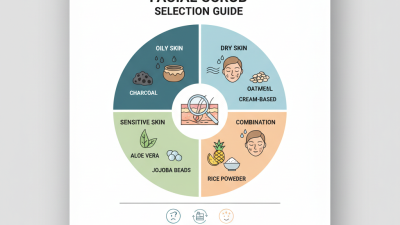
When comparing facial scrubs, start with the ingredient list, not the front label. Check whether exfoliating particles are sugar, rice powder, cellulose, or another approved material. Particle shape matters. Smooth, rounded grains usually feel gentler than sharp fragments. Avoid formulas with vague ingredient descriptions or excessive fragrance, especially for sensitive skin.
Review the formula’s balance of exfoliants, oils, humectants, and soothing agents. A dry scrub may need more water during use, while a cream formula can feel richer on dry skin. Look for clear guidance on pH, usage frequency, and rinse-off performance. Oily skin may prefer a lightweight, non-greasy base. Dry skin often benefits from moisturising ingredients. Sensitive skin needs fewer irritants and softer particles. Acne-prone users may require extra caution.
Read the full INCI list carefully. Shorter is not always better. Ask suppliers for stability data, safety assessments, batch information, and suitable testing records. Packaging should protect the formula from moisture and contamination during transport. I have seen buyers focus on attractive texture while overlooking poor instructions. That mistake can damage customer trust. No scrub suits everyone. Regional climate, water quality, and consumer habits can also change the user experience. Test samples on different skin types before making a large purchasing decision.
Verify Product Safety, Certifications, and Regulatory Compliance
Global buyers should treat facial scrub safety as a documented process, not a visual judgment. A smooth texture proves little. Check the complete ingredient list against the destination market’s restricted and permitted substance rules. Ask for a current safety assessment, allergen information, and documented usage limits. Do not rely on a sales sheet. Request batch-specific microbiological results, heavy-metal screening, and stability data. Preservative performance matters, especially in warm, humid bathrooms.
Verify each certificate with the issuing organization, including its scope, validity date, and covered production site. A logo alone is weak evidence. Review manufacturing controls and GMP records, such as ISO 22716 evidence where relevant. For exfoliating particles, confirm material origin, particle size, and contamination controls. Ask whether the formula has undergone irritation or compatibility testing. Results should identify methods, dates, laboratories, and batch numbers. If the supplier hesitates, pause the order.
Labeling and claims require equal care. Confirm ingredient names, warnings, directions, net contents, and required importer details for the target country. Regulations differ widely, so consult a qualified local compliance professional before launch. Test sealed samples from more than one batch when possible. Compare odor, color, separation, and texture after storage. Keep photographs and laboratory documents with your purchasing records. My checklist is not perfect; small suppliers may lack polished files, but missing evidence still needs explanation.
Review Samples, Quality Control, Shipping, and After-Sales Support
What Are 7 Facial Scrub Buying Tips for Global Buyers?
Start with representative samples, not attractive photos.
Test texture, rinse-off speed, scent stability, and skin comfort after 24 hours. Request three production samples when possible. One sample can hide batch variation. Check the full ingredient list, allergen information, safety documents, and product specifications. Grand View Research valued the global skincare products market at approximately USD 155.7 billion in 2022, showing why documentation and consistency matter in crowded markets.
Ask for a written quality-control plan.
It should cover raw-material checks, microbial testing, viscosity, pH, fill weight, and packaging inspection. Request recent certificates of analysis and batch records. Confirm that the manufacturer follows cosmetic GMP principles, such as ISO 22716 guidance. Inspect jar seals, labels, carton strength, and leakage resistance. Small packaging defects can become expensive returns. This is often underestimated.
Shipping needs equal attention.
Compare minimum order quantities, lead times, Incoterms, carton dimensions, and temperature risks. The World Bank’s 2023 Logistics Performance Index shows major differences in customs efficiency and delivery reliability across countries. Obtain a landed-cost estimate before approving the order. After-sales support should include a named contact, complaint procedure, replacement policy, and response-time target. Ask how damaged or inconsistent goods are investigated. A refund promise alone is weak support. Keep written evidence. Review every assumption before scaling, because even a careful buying process can miss a problem.