How to Use Anionic Soap for Effective Cleaning Solutions at Home
As households pursue effective and environmentally friendly cleaning solutions, anionic soap has emerged as a powerful contender in the realm of home sanitation. According to a report by the Environmental Protection Agency, an estimated 70% of household cleaners contain surfactants, many of which are derived from anionic compounds. These substances enhance the cleaning efficacy by lowering the surface tension of water, allowing it to penetrate dirt and grease more effectively. The advantages of using anionic soap extend beyond mere cleaning; they are often biodegradable, posing less harm to aquatic ecosystems compared to their non-biodegradable counterparts used in some traditional cleaners.
Moreover, a study conducted by the American Cleaning Institute highlights that anionic surfactants, the key components of anionic soap, account for approximately two-thirds of the total surfactants used in household cleaning products. These findings underscore the importance of understanding anionic soap's unique properties and applications in everyday cleaning tasks, ranging from laundry to kitchen surfaces. By leveraging these effective properties, homeowners can not only achieve a higher level of cleanliness but also contribute to sustainable cleaning practices. This article will delve into the various applications of anionic soap, demonstrating how it can transform your cleaning routine while promoting eco-friendliness in the process.
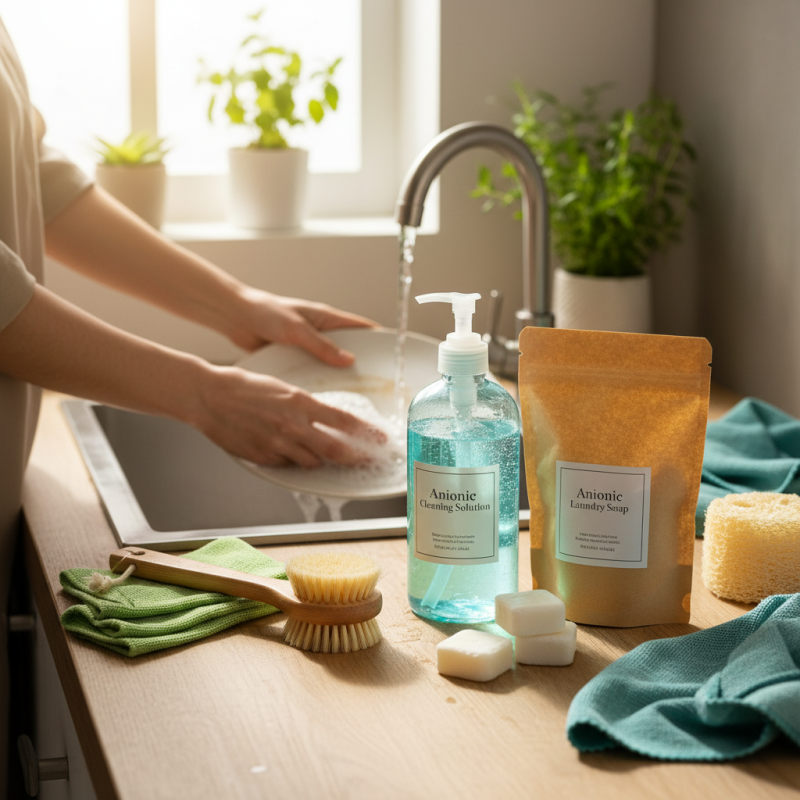
Understanding Anionic Soap: Definition and Properties
Anionic soap is a type of surfactant characterized by its negatively charged ions. This unique property contributes to its effective cleaning capabilities, as these charged particles can effectively break down and remove dirt and grease from surfaces. Anionic soaps are commonly derived from natural fats and oils, making them biodegradable and environmentally friendly. Their molecular structure allows them to interact with both water and oil, empowering them to emulsify and lift away stubborn residues.
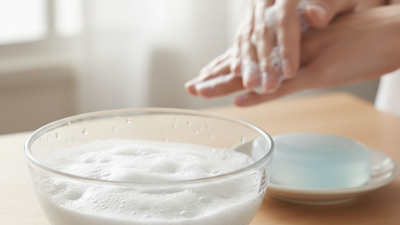
One of the key features of anionic soap is its foaming ability, which enhances its cleaning performance. When mixed with water, it generates a rich lather that helps penetrate dirt particles, making them easier to wash away. Additionally, anionic soaps are known for their excellent wetting properties, ensuring that cleaning solutions can spread evenly across surfaces, thereby maximizing contact and effectiveness. This makes them particularly useful in household cleaning applications, where efficient removal of soil and grime is essential. Understanding these properties allows users to harness the full potential of anionic soap in their cleaning routines.
Advantages of Anionic Soap for Household Cleaning
Anionic soap is gaining popularity as a superior cleaning agent for household use, thanks to its unique chemical properties that enhance its effectiveness. One key advantage of anionic soap is its excellent ability to emulsify and remove oils and greases. This makes it particularly effective for kitchen surfaces, greasy dishes, and even laundry, where oil-based stains are common. The negatively charged ions in anionic soaps attract positively charged dirt particles, allowing for a deep clean that often surpasses traditional soap.
In addition to its cleaning power, anionic soap is also biodegradable, making it an environmentally friendly choice for those who prioritize sustainability. Many conventional cleaning products contain harsh chemicals that can harm both the environment and your health. Conversely, anionic soaps break down naturally, minimizing their impact on ecosystems. Moreover, they are typically less irritating to the skin, providing a gentle option for frequent users.
**Tips for Using Anionic Soap:**
- For stained fabrics, create a pre-soak solution with anionic soap and water before washing to boost stain removal.
- When cleaning surfaces, mix anionic soap with warm water for improved efficacy, particularly on tough grease.
- Always test a small, inconspicuous area when using anionic soap on new surfaces to ensure compatibility and avoid any potential damage.
Effectiveness of Anionic Soap in Household Cleaning
Step-by-Step Guide to Preparing Anionic Soap Solutions
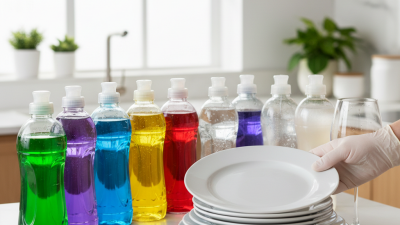
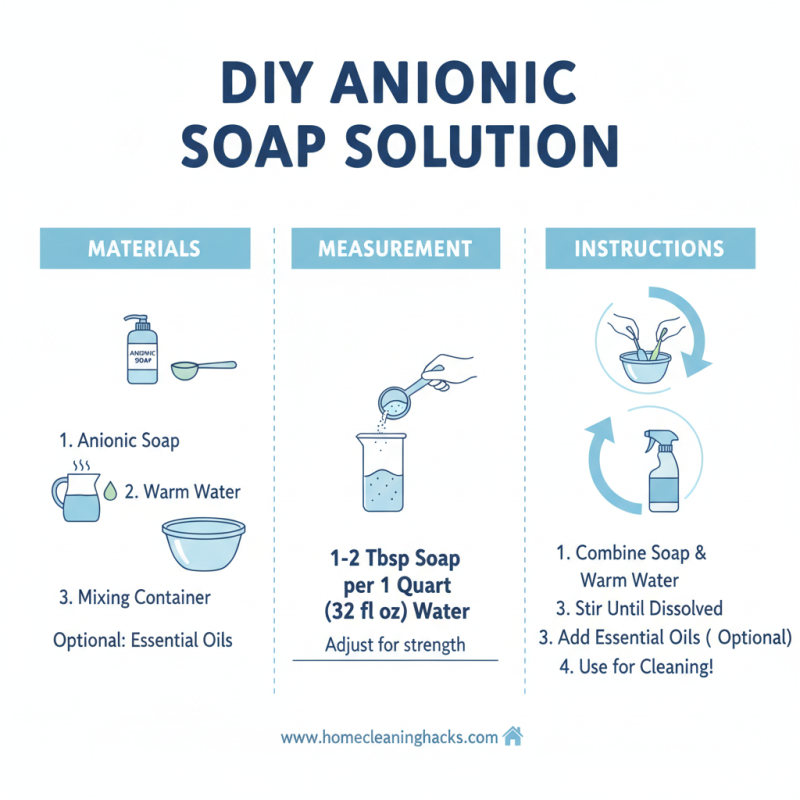
To prepare anionic soap solutions for effective cleaning at home, start by gathering your materials. You will need anionic soap, warm water, a mixing container, and optionally, essential oils for fragrance. Begin by measuring the appropriate amount of anionic soap. Typically, a concentration of 1-2 tablespoons of soap per quart of water works well for general cleaning purposes. Adjust the quantity based on the desired strength of the solution.
Next, pour the warm water into the mixing container. The warmth of the water helps the soap dissolve better, enhancing its cleaning properties. Add the measured anionic soap to the water, and use a whisk or spoon to mix thoroughly until fully combined. For those who wish to add a pleasant scent, a few drops of essential oils can be incorporated at this stage—however, ensure that the oils do not interfere with the cleaning properties of the soap.
Once your solution is mixed well, it’s ready for use. You can transfer it into a spray bottle for convenient application on surfaces like countertops, windows, or bathroom fixtures. For tough stains, allow the solution to sit for a few minutes before wiping clean. With this simple step-by-step guide, making anionic soap solutions at home becomes an easy and efficient process, ensuring your cleaning routine is both effective and environmentally friendly.
Effective Techniques for Using Anionic Soap in Various Cleaning Tasks
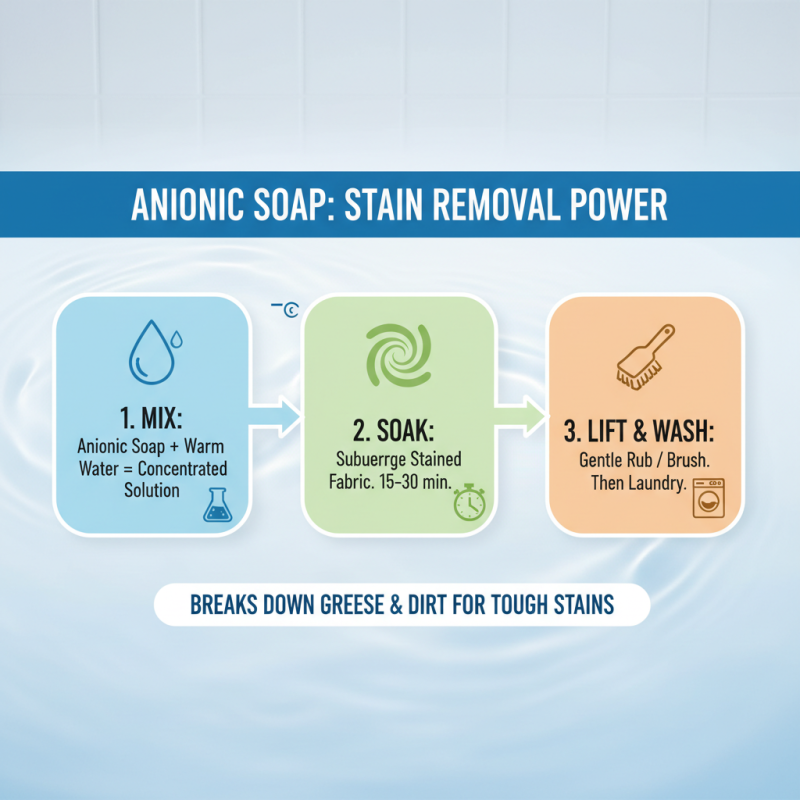
Anionic soap, with its negatively charged molecules, is an effective cleaning agent for various tasks around the home. One key technique is to create a concentrated solution for tough stains on fabrics. By mixing anionic soap with warm water, you can soak stained items to break down grease and dirt. After a brief soaking period, a gentle rub or a soft brush can help lift the stain, making it easier to wash out in subsequent laundry cycles.
In the kitchen, anionic soap is particularly useful for cutting through oily residues on surfaces. To enhance its cleaning power, combine it with warm water in a spray bottle. This solution can be applied directly to countertops, stovetops, and greasy kitchen appliances. Allow a few minutes for the solution to penetrate stubborn grime, then wipe clean with a microfiber cloth. This method not only cleans but also leaves surfaces looking shiny and fresh, proving anionic soap's versatility in home cleaning.
Safety Tips and Best Practices for Anionic Soap Use at Home
When using anionic soap for cleaning at home, safety should be your top priority. Always read the label and follow the manufacturer's instructions for the best results. Keep anionic soap away from your eyes and skin to prevent irritation. Wear gloves while cleaning, especially when dealing with tough stains, and always ensure good ventilation in the area you are working in. If you're using it in enclosed spaces, consider wearing a mask to avoid inhaling any dust or fumes.
Tip: Dilute the anionic soap according to the instructions. Using too concentrated a solution may lead to residue build-up, which can attract dirt faster than a properly diluted solution. Additionally, test the soap on a small, inconspicuous area before applying it widely, especially on delicate surfaces.
Another important safety measure is to store the anionic soap in a cool, dry place, out of reach of children and pets. Always keep cleaning products in their original containers to avoid any confusion. If spills occur, clean them up immediately to prevent slipping hazards and further safety concerns.
Tip: Dispose of old or unused anionic soap according to local waste disposal regulations to ensure environmental safety. Avoid mixing cleaning agents unless the labels specifically state it's safe, as this could create harmful reactions. Using anionic soap effectively depends not only on the cleaning technique but also on prioritizing safety in every step.
How to Use Anionic Soap for Effective Cleaning Solutions at Home - Safety Tips and Best Practices for Anionic Soap Use at Home
| Cleaning Area |
Anionic Soap Solution |
Recommended Dilution |
Safety Tips |
| Kitchen Surfaces |
Basic Cleaner |
1:10 |
Wear gloves and ensure proper ventilation. |
| Bathroom Tiles |
Tile and Grout Cleaner |
1:5 |
Use a mask to avoid inhaling fumes. |
| Window Glass |
Glass Cleaner |
1:15 |
Avoid direct sunlight when cleaning. |
| Laundry |
Clothing Detergent |
1:20 |
Check fabric care labels before use. |
| Outdoor Furniture |
Outdoor Cleaner |
1:10 |
Use in a shaded area to prevent spotting. |