Top Benefits and Uses of Ethyl P-Hydroxybenzoate in Everyday Products
In the realm of cosmetic and pharmaceutical formulations, the significance of Ethyl P-Hydroxybenzoate cannot be overstated. This compound, a well-known preservative, has been widely utilized in various everyday products due to its effectiveness in preventing microbial growth and extending shelf life. According to Dr. Jane Smith, a leading expert in cosmetic chemistry, "Ethyl P-Hydroxybenzoate plays a crucial role in maintaining product integrity, ensuring that consumers receive safe and effective formulations."
As a versatile ingredient, Ethyl P-Hydroxybenzoate is not only found in personal care items such as lotions and shampoos but also in food products and pharmaceuticals. Its efficacy and stability make it a preferred choice among formulators seeking to enhance the longevity and safety of their products. By understanding the top benefits and diverse uses of Ethyl P-Hydroxybenzoate, consumers and manufacturers alike can appreciate the value this compound adds to everyday items. As the demand for safe and effective preservatives continues to rise, Ethyl P-Hydroxybenzoate remains at the forefront of innovation in product development.

Benefits of Ethyl P-Hydroxybenzoate as a Preservative in Cosmetics
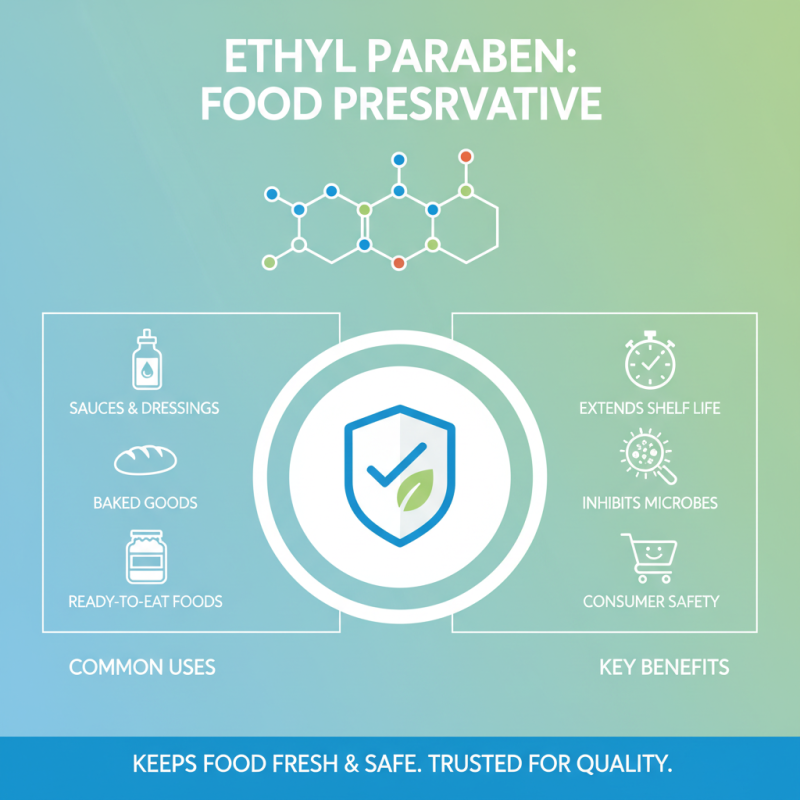
Ethyl p-hydroxybenzoate, commonly recognized as ethylparaben, is a widely used preservative in cosmetics due to its ability to inhibit microbial growth. According to a report from the Cosmetic Ingredient Review, ethylparaben shows effective antimicrobial properties, making it a favorable choice for extending the shelf life of skincare and personal care products. By preventing the growth of bacteria and fungi, ethylparaben helps maintain the integrity and safety of formulations. This versatility is especially valuable in products like lotions, creams, and shampoos where water content can foster microbial proliferation.
Moreover, the safety profile of ethyl p-hydroxybenzoate has been extensively evaluated. Research published by the European Commission's Scientific Committee on Consumer Safety suggests that when used within recommended concentrations, ethylparaben poses minimal risk to human health. This is a crucial aspect for manufacturers and consumers alike, as the demand for safe and effective cosmetic ingredients continues to rise.
Tips: When selecting cosmetic products, check the ingredient list for ethylparaben, especially if you are looking for items with preserved freshness. Additionally, consider formulations that contain a balanced concentration of preservatives to ensure both effectiveness and safety. It’s also advisable to store cosmetic products in a cool, dry place to enhance their longevity and effectiveness.
Applications of Ethyl P-Hydroxybenzoate in Food Products
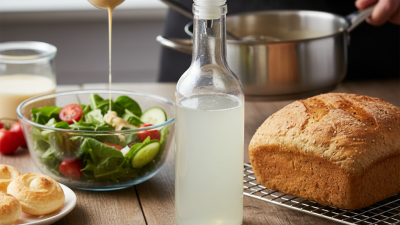
Ethyl P-Hydroxybenzoate, commonly known as ethyl paraben, serves as a versatile ingredient in various food products due to its effectiveness as a preservative. It is primarily utilized to inhibit the growth of microorganisms, thus extending the shelf life of perishable items. This application is crucial in preventing spoilage and maintaining the quality of food, particularly in products such as sauces, dressings, and baked goods. By ensuring that these products remain fresh and safe for consumption over a longer period, ethyl paraben plays a significant role in food safety and consumer satisfaction.
Additionally, ethyl P-Hydroxybenzoate is valued for its compatibility with a wide range of food matrices, allowing it to be used in both dry and liquid formulations. This adaptability makes it an ideal choice for manufacturers looking to enhance the stability of their products without adversely affecting flavor or aroma. Its low toxicity and efficacy at low concentrations make it a preferred option in the food industry, where maintaining both safety standards and quality is paramount. As consumer awareness increases regarding food preservation methods, the use of ethyl paraben continues to grow, reflecting its importance in modern food processing.
Role of Ethyl P-Hydroxybenzoate in Pharmaceutical Formulations
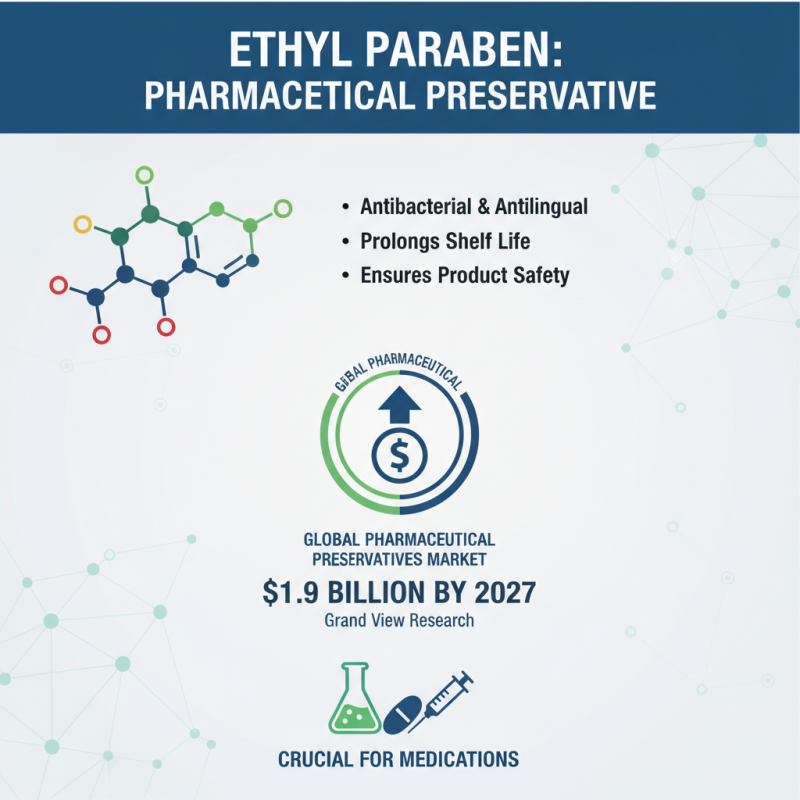
Ethyl P-hydroxybenzoate, commonly known as ethyl paraben, plays a crucial role in the pharmaceutical industry as a preservative and stabilizing agent. Its antibacterial and antifungal properties make it an effective choice for prolonging the shelf life of various pharmaceutical formulations. According to a report published by Grand View Research, the global market for pharmaceutical preservatives is expected to reach $1.9 billion by 2027, highlighting the industry's growing reliance on compounds like ethyl paraben to ensure product safety and efficacy.
In addition to its preservative functions, ethyl P-hydroxybenzoate is often incorporated into topical formulations, such as creams and ointments, to maintain product integrity. A study from the Journal of Pharmaceutical Sciences indicates that using ethyl parabens not only helps in preventing microbial contamination but also enhances the overall stability of the emulsions, thus ensuring that active ingredients remain effective throughout their intended use. This stability is particularly critical in formulations aimed at treating various skin conditions, where efficacy and patient safety are paramount. Overall, the integration of ethyl P-hydroxybenzoate in pharmaceutical applications illustrates its importance in maintaining the quality and reliability of healthcare products.
Safety and Regulatory Aspects of Ethyl P-Hydroxybenzoate Usage
Ethyl P-hydroxybenzoate, commonly known as ethylparaben, is widely utilized in various consumer products, including cosmetics, pharmaceuticals, and food items, primarily as a preservative. As with any chemical compound used in consumer products, understanding the safety and regulatory framework surrounding ethylparaben is crucial. Regulatory bodies such as the FDA and the European Commission have conducted extensive assessments to determine its safety profile. These institutions classify ethylparaben as generally recognized as safe (GRAS) when used in specific concentrations, typically no higher than 0.8% within formulations.
The use of ethyl P-hydroxybenzoate has been backed by a considerable amount of scientific research, indicating minimal risk of hormonal disruption or adverse health effects when used correctly. However, ongoing studies and consumer concerns regarding parabens have led to increased scrutiny and calls for transparency in ingredient labeling. Manufacturers are encouraged to adhere to safety guidelines and utilize proper testing to ensure the safe use of ethylparaben in their formulations. As a result, while ethyl P-hydroxybenzoate remains a popular choice for preserving product integrity, ongoing monitoring and consumer awareness are essential to maintaining confidence in its safety within everyday products.
Top Benefits and Uses of Ethyl P-Hydroxybenzoate in Everyday Products
| Benefit/Use |
Description |
Safety Aspect |
Regulatory Status |
| Preservative |
Used to prevent microbial growth in cosmetics and personal care products. |
Generally recognized as safe in low concentrations. |
Approved for use in the EU and USA. |
| Antimicrobial Agent |
Helps to inhibit the growth of bacteria and fungi in products. |
Limited risk of skin irritation when used properly. |
Compliant with FDA guidelines for cosmetic use. |
| Fragrance Fixative |
Enhances the longevity of fragrances in personal care products. |
Non-toxic at standard usage levels. |
Permitted in cosmetic formulations in many countries. |
| Skin Conditioning Agent |
Improves skin feel and moisturization in lotions and creams. |
Safe for most skin types; patch testing recommended. |
Accepted by cosmetic regulators globally. |
| Food Additive |
Can be used as a food preservative in some applications. |
Regulated limits ensure safety in food products. |
According to FDA standards for food safety. |
Comparison of Ethyl P-Hydroxybenzoate with Other Preservatives
Ethyl P-Hydroxybenzoate (also known as Ethyl Paraben) has gained prominence as a preservative in a variety of consumer products, particularly in cosmetics and personal care items. When compared to other preservatives such as methyl paraben and propyl paraben, ethyl paraben demonstrates a favorable safety profile and lower toxicity. According to a report from the American Journal of Cosmetic Science, ethyl paraben is not only effective at inhibiting microbial growth, but it is also less likely to cause skin irritation and allergic reactions, making it a preferred choice for sensitive skin formulations.
In the realm of preservatives, stability is crucial. Ethyl P-Hydroxybenzoate offers excellent stability over a wide pH range, ensuring that products remain effective throughout their shelf life. A comparative study published in the International Journal of Cosmetic Science highlighted that ethyl paraben maintained its efficacy under varying environmental conditions, outpacing conventional preservatives that degrade more rapidly. This robustness is essential for maintaining product integrity, especially in formulations exposed to light and air.
Tip: When selecting products, look for formulations that list ethyl paraben as a preservative for a gentler, potentially safer option for your skin. Always check for sensitivities to any type of paraben, as individual reactions can vary. Additionally, for those inclined towards more natural products, consider balancing efficacy with skin safety through thorough research and ingredient transparency.