Top Benefits of Xanthan Gum Soft for Food Industry?
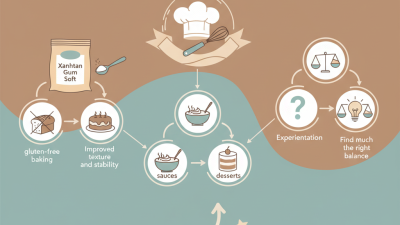
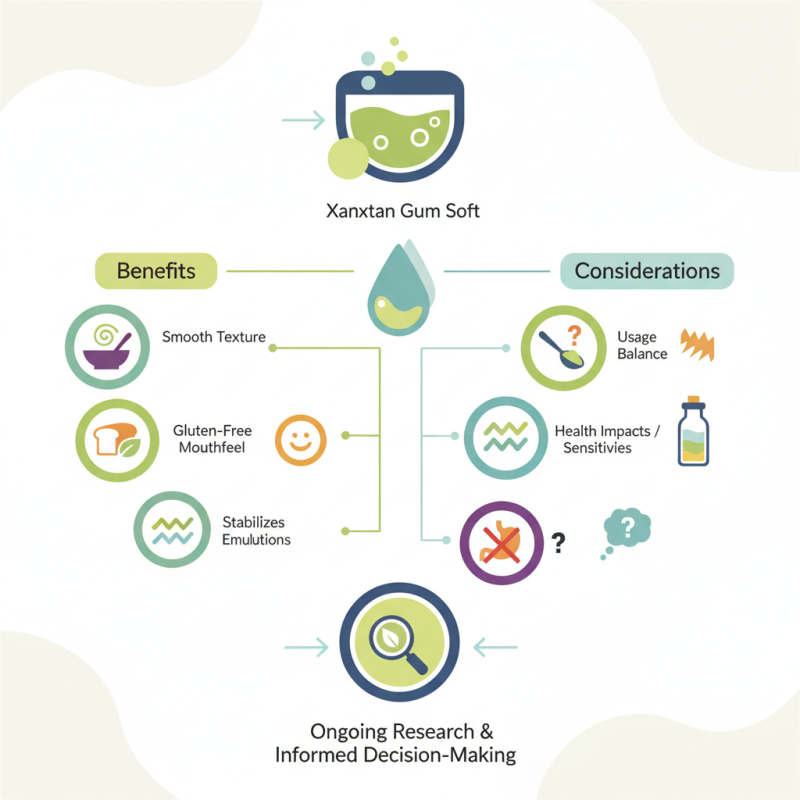
Xanthan Gum Soft has gained significant attention in the food industry. This natural thickening agent, derived from fermentation, offers unique benefits for both manufacturers and consumers. Its smooth texture improves food consistency, making sauces and dressings more appealing. As a versatile ingredient, Xanthan Gum Soft enhances the mouthfeel of gluten-free products.
The reliability of Xanthan Gum Soft lies in its ability to stabilize emulsions and prevent separation. Many food producers appreciate its effectiveness. However, it's essential to consider the balance of usage. Using too much can lead to unexpected textures. There are also ongoing discussions about its impacts on health, particularly for those with sensitivities.
Understanding the multifaceted advantages and potential downsides of Xanthan Gum Soft can guide better decision-making in food formulation. As the industry evolves, ongoing research is crucial. It helps ensure that this ingredient remains safe and beneficial for all consumers.
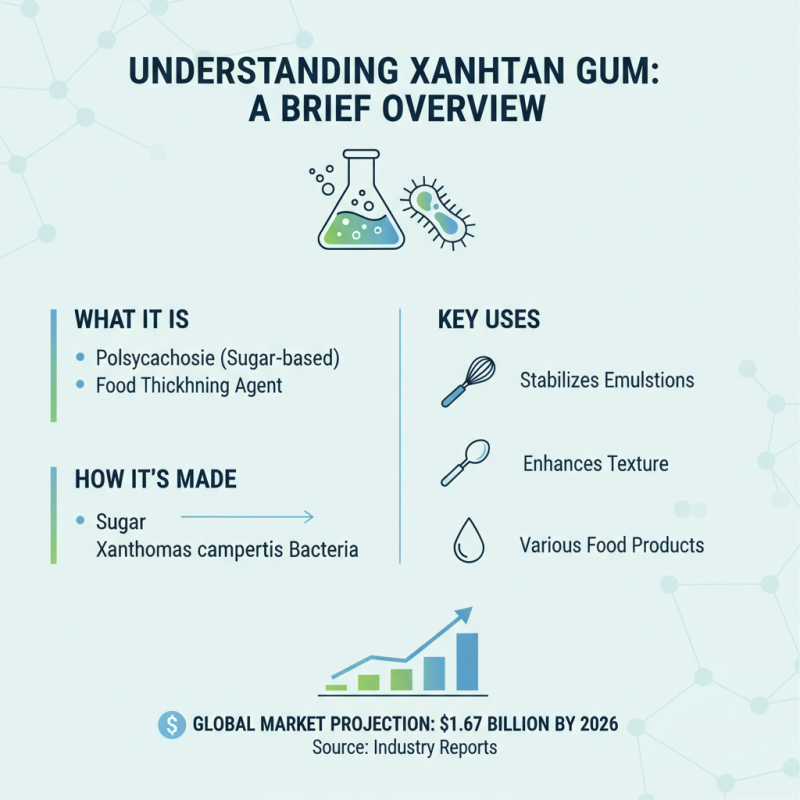
Understanding Xanthan Gum: A Brief Overview
Xanthan gum is a polysaccharide used as a food thickening agent. It is produced through the fermentation of sugar by the bacteria Xanthomonas campestris. This unique compound stabilizes emulsions and enhances texture in various food products. According to industry reports, the global xanthan gum market is projected to reach $1.67 billion by 2026, showcasing its importance in food technology.
One notable benefit of xanthan gum is its ability to hold water. This trait is crucial in gluten-free baking. It mimics the properties of gluten, giving structure to doughs and batters. In sauces and dressings, it provides a smooth, creamy texture. According to a report by Grand View Research, xanthan gum accounts for about 30% of the total sales in the thickening agent category, emphasizing its industry significance.
Tips: When using xanthan gum, start with small amounts. Too much can create a gummy texture. Always mix it with dry ingredients to prevent clumping. This approach delivers the best results in your culinary creations. Xanthan gum can also stabilize oil-in-water emulsions, making it a versatile ingredient. However, its overuse can lead to textural issues in final products. Be cautious and experiment carefully.
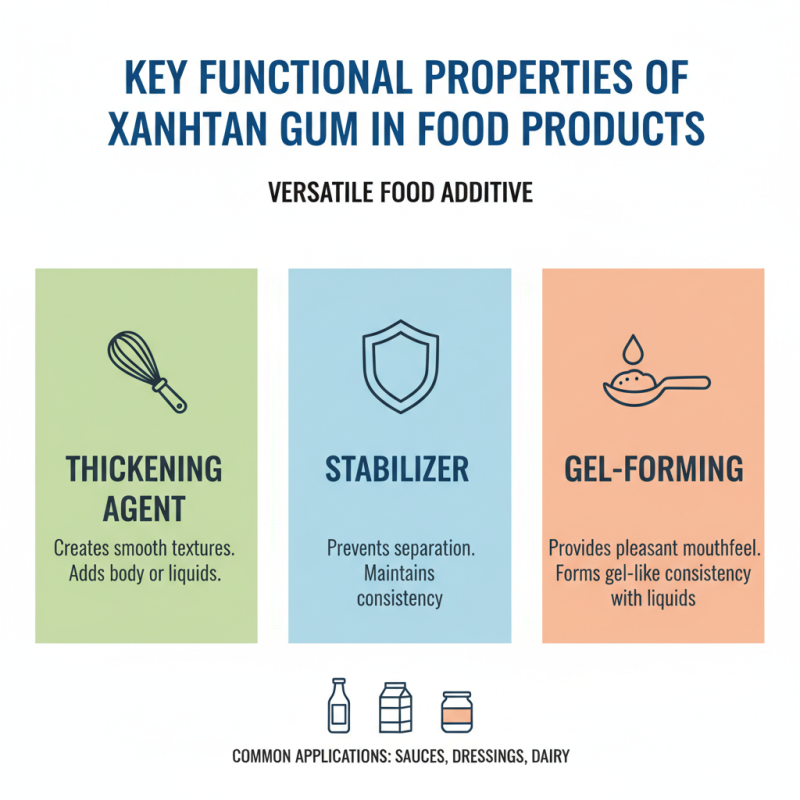
Key Functional Properties of Xanthan Gum in Food Products
Xanthan gum is a widely used food additive renowned for its unique functional properties. This polysaccharide offers excellent thickening and stabilizing abilities, making it essential in various food products. It can create smooth textures in sauces, dressings, and dairy products. Xanthan gum forms a gel-like consistency when mixed with liquids, providing a pleasant mouthfeel.
Tips: When using xanthan gum, start with a small amount. Too much can lead to a slimy texture. Gradually increase to find the right balance for your recipe.
The versatility of xanthan gum allows it to function effectively in gluten-free formulations. It mimics the elasticity gluten provides in traditional baking. This capability is crucial for those with gluten intolerance, ensuring they can enjoy baked goods without compromising texture.
However, not all recipes will benefit equally from xanthan gum. Some applications may require adjustments. A chef should experiment and observe the changes in texture and flavor. This process enhances their culinary skills and ensures the best results.
Tips: Always read recipes carefully. Xanthan gum can yield different results depending on the cooking method. Adjusting the heat or cooking time may also affect the final product.
Advantages of Using Xanthan Gum for Food Texture and Stability
Xanthan gum is increasingly popular in the food industry for its ability to enhance texture and stability. This natural thickening agent is derived from fermentation of sugars by specific bacteria. It provides a unique mouthfeel in sauces, dressings, and dairy products, helping to create a creamy and smooth consistency.
One of its key advantages is water retention. Xanthan gum helps keep moisture in food products, extending shelf life. When added to gluten-free recipes, it mimics the elasticity gluten provides, ensuring baked goods have a desirable texture. This function makes it a favorite among both manufacturers and home bakers.
Tip: Experiment with xanthan gum in homemade salad dressings to achieve that perfectly blended, creamy texture.
It's essential to understand how much to use. Too much xanthan gum can create a slimy or overly thick product. Start with small amounts and adjust gradually. Keeping track of your measurements can help you achieve the desired consistency.
Tip: Always blend xanthan gum with dry ingredients before adding water to prevent clumping.
Understanding the functionality of xanthan gum can lead to innovations in food production, but over-reliance on it may hinder creativity. Foods should also explore other natural thickeners for varied textures.
Role of Xanthan Gum in Health Benefits and Dietary Applications
Xanthan gum is a versatile food additive widely used in the industry. It serves as a thickening agent, stabilizer, and emulsifier. Its unique properties make it valuable for various dietary applications. Many health-conscious consumers seek products containing xanthan gum due to its potential benefits.
In dietary applications, xanthan gum can improve the texture of gluten-free products. Individuals with gluten intolerance often struggle to find suitable alternatives. Xanthan gum helps mimic the elasticity of gluten, which many baked goods require. This allows people on restricted diets to enjoy a wider variety of foods without sacrificing taste or texture.
Moreover, xanthan gum may contribute to digestive health. Some studies suggest that it can improve gut health by acting as a soluble fiber. This could aid in digestion and promote regularity. However, there are concerns about excessive consumption leading to gastrointestinal discomfort. Balancing intake is crucial, as individual tolerance levels can vary significantly.
Top Benefits of Xanthan Gum Soft for Food Industry
| Benefit |
Description |
Dietary Applications |
Health Benefits |
| Thickening Agent |
Xanthan gum is widely used to increase the viscosity of food products. |
Soups, sauces, and dressings |
May aid in satiety, leading to reduced appetite. |
| Stabilizer |
Helps to stabilize emulsions and suspensions in food products. |
Dairy products, salad dressings |
Can support gut health by acting as a prebiotic. |
| Gluten-Free Alternative |
Serves as a binding agent in gluten-free recipes. |
Baked goods, pasta |
May help manage blood sugar levels. |
| Emulsion Enhancer |
Improves the texture and mouthfeel of food emulsions. |
Ice creams, sauces |
May help lower cholesterol levels. |
| Shelf-Life Extender |
Helps to maintain freshness and prevent separation. |
Packaged foods, beverages |
Improves digestive health and regularity. |
Comparison of Xanthan Gum with Other Food Additives and Thickeners
Xanthan gum stands out in the food industry due to its unique properties. It acts as an efficient thickener and stabilizer. When compared with other food additives, the differences are striking. For instance, guar gum and cornstarch are common thickeners. However, they often fail in high-temperature cooking. In contrast, xanthan gum performs well under various conditions, retaining its viscosity.
Another striking feature is its ability to enhance texture. Xanthan gum creates a smoother mouthfeel, which consumers appreciate. However, not all applications benefit equally from its use. For example, some may find its gummy texture unappealing in certain foods. This aspect prompts manufacturers to reconsider how they incorporate it into their products.
While xanthan gum is reliable, it's not without its drawbacks. Some individuals may experience sensitivities to it. Moreover, the cost of sourcing xanthan gum can be higher than other thickeners. This places a limit on its use in price-sensitive markets. Understanding these nuances is crucial for food producers aiming to craft the perfect product.
Top Benefits of Xanthan Gum Compared to Other Food Additives
This chart illustrates the key benefits of Xanthan Gum in comparison to other common food additives and thickeners, focusing on attributes like viscosity, stability under heat, and gluten-free nature.