China has become an important sourcing base for global Ethyl Hexyl Palmitate buyers. Its suppliers serve cosmetics, personal care, and industrial formulation markets. However, supplier selection involves more than checking a competitive price. Product consistency matters.
Ethyl Hexyl Palmitate is a lightweight emollient. It can improve slip, spreadability, and skin feel in creams, lotions, sunscreens, and color cosmetics. Cosmetic chemist Perry Romanowski offers a useful formulation reminder: “No ingredient performs alone.” This principle matters when comparing Chinese suppliers. The same INCI name may hide differences in purity, odor, color, or batch stability.
Reliable buyers should examine the supplier’s COA, specification sheet, SDS, manufacturing address, and batch records. Check assay, acid value, peroxide value, moisture, color, and residual solvent information. Ask whether the material is produced under documented quality procedures. GMP experience is valuable. So is responsive technical support.
A factory photograph is not proof of capability. A polished website is not enough. Request a representative sample and compare it under real formulation conditions. Watch the material’s clarity, pourability, odor, and performance after storage. Small differences can become visible in a finished product.
This guide reviews China’s top Ethyl Hexyl Palmitate suppliers for global buyers. It considers production capacity, quality control, export experience, packaging, lead times, and communication. No ranking is perfect. Supplier data can change, and public information may remain incomplete. Buyers should still complete audits, testing, and regulatory checks before placing commercial orders. That extra work may feel slow. It often prevents expensive surprises later.
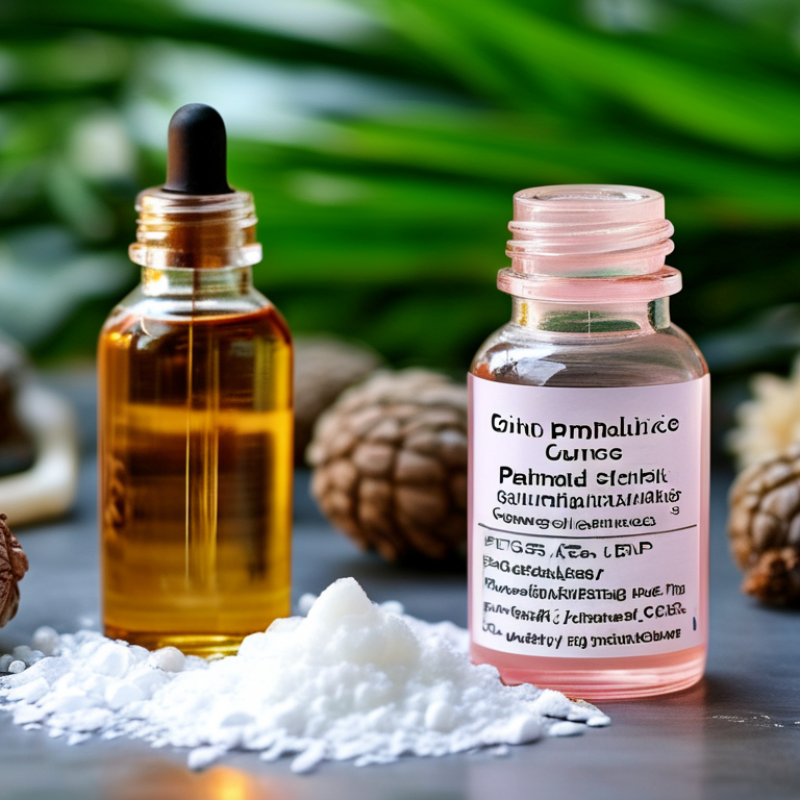
Ethyl hexyl palmitate is a lightweight ester formed from 2-ethylhexanol and palmitic acid. It appears as a clear, oily liquid with low water solubility. In formulations, it spreads smoothly and leaves a soft, dry finish. That feel matters in creams, sunscreens, color cosmetics, hair conditioners, and cleansing oils. It can also improve pigment dispersion. Less drag, more slip.
The Personal Care Products Council’s Cosmetic Ingredient Review identifies ethylhexyl palmitate as a commonly assessed cosmetic emollient. Its safety depends on formulation exposure, purity, and intended use. Suppliers should provide GC purity, acid value, saponification value, moisture, color, and residual solvent data. These details often reveal more than a polished brochure. The Global Market Report on Cosmetics, published by Grand View Research, describes continued growth in skincare and color cosmetics, supporting demand for functional emollients. However, market forecasts are not ingredient-specific. That limitation deserves attention.
For global buyers, Chinese suppliers can support bulk production and flexible packaging formats. Reliable sourcing still requires batch samples, traceability records, and stability testing under heat and light. Ethyl hexyl palmitate may oxidize slowly during poor storage, especially with air exposure. A tightly sealed drum and controlled warehouse reduce this risk. Price is important, but consistent sensory performance matters more.
Evaluating Chinese ethyl hexyl palmitate suppliers requires more than comparing export prices. The product should be assessed as a cosmetic emollient, not as a generic oil. Ask for a current specification sheet, COA, SDS, and batch traceability records. Confirm appearance, odor, ester content, acid value, saponification value, moisture, and residual solvents. Test a sealed sample through an independent laboratory. Small differences can affect skin feel, clarity, and formulation stability.
Supplier reliability appears in the details. Check whether the factory controls raw-material intake, esterification, filtration, and filling under documented procedures. Request recent batch data, not one perfect report. Compare three or more batches for consistency. Verify production capacity against your forecast. Ask about minimum order quantities, lead times, storage temperature, and packaging materials. A clean audit trail matters. Video calls help, but an on-site or third-party audit gives stronger evidence. Certificates alone are not enough.
Commercial terms also deserve technical review. Confirm Incoterms, pallet protection, drum labeling, export documents, and procedures for damaged or off-specification cargo. Ask how complaints are investigated and how corrective actions are recorded. A low quotation may reflect efficient production, or weaker controls. That distinction needs evidence. Do not reward polished communication alone. One practical weakness remains: supplier information can change after approval. Recheck critical documents before each major shipment, and keep retention samples for comparison. This discipline feels slow. It can prevent expensive reformulation later.
China’s ethyl hexyl palmitate supply base is concentrated along the eastern and southern coast. Zhejiang, Jiangsu, Shandong, and Guangdong offer strong access to fatty acids, alcohol intermediates, utilities, and export terminals. Cefic’s Facts and Figures 2024 places China at roughly 40% of global chemical sales in 2023. That scale supports flexible ester production, including cosmetic and industrial grades.
Zhejiang and Jiangsu commonly provide integrated reactor networks and nearby container ports. Shandong adds large petrochemical infrastructure and bulk storage capacity. Guangdong supports shorter delivery routes into Southeast Asia.
Many producers can operate stainless-steel esterification lines, vacuum dehydration systems, filtration units, and heated storage tanks. Typical commercial controls include acid value, ester content, color, moisture, density, and residual alcohol testing.
The China Petroleum and Chemical Industry Federation’s recent industry reviews highlight continued investment in higher-value specialty chemicals. However, regional capability is not perfectly uniform. Some factories rely on external feedstocks or older batch equipment. Buyers should request recent certificates of analysis, production records, allergen statements, and third-party test results. Ask about minimum batch size, drum or isotank loading, and winter handling conditions. Port proximity helps, but it does not guarantee stable quality. A useful audit checks raw-material traceability, temperature control, cleaning validation, and complaint response time. These practical details often matter more than a supplier’s advertised capacity.
Quality documentation often reveals more than a polished sales presentation. Experienced buyers should request a current specification sheet, Certificate of Analysis, Safety Data Sheet, and batch traceability record. These documents should identify appearance, odor, purity, acid value, saponification value, moisture, and test methods. Gas chromatography data can help confirm composition and detect unexpected impurities.
Certification matters, but scope matters more. A supplier may hold ISO 9001, cosmetic GMP, or environmental certificates. Check the certificate number, validity period, issuing body, and covered production site. The certificate should match the actual factory and product category. That detail is easy to miss.
Ask for samples from a recent production batch. Compare the sample with the stated appearance, such as a clear, low-odor liquid. Keep the sealed sample for later reference. Packaging records should show container type, net weight, lot number, and manufacturing date. Export documents must also match the batch information. Small mismatches can delay customs clearance or confuse quality teams. Documentation is rarely flawless. A missing test method, unclear revision date, or unsigned report deserves a direct question. Reliable suppliers answer with evidence, not vague promises. Buyers should still verify claims through independent testing when the application is sensitive.
When ordering ethyl hexyl palmitate from China, request a recent specification sheet, COA, SDS, and product sample. Check appearance, purity, acid value, color, and odor against your formulation needs. A clear batch number should appear on every document and package. Do not rely only on a supplier’s website description. Ask how testing is performed and whether results come from each batch or a general reference.
Packaging affects both cost and product condition. Drums may suit trial orders, while IBC tanks can reduce handling costs for regular volumes. Confirm net weight, pallet dimensions, container loading, and storage temperature before signing. The material may not require dangerous-goods treatment, but classification depends on the current SDS and transport route. Keep space for inspection delays. Schedules often look cleaner than reality.
Import planning needs careful document matching. Commercial invoices, packing lists, certificates of origin, and shipping documents should show consistent names, quantities, and consignee details. Confirm the correct HS classification with your customs broker, because local interpretation can differ. Agree on Incoterms, payment stages, insurance, and responsibility for destination charges in writing. A pre-shipment sample is useful, but it cannot replace arrival inspection. I would also retain sealed retention samples, since small color or odor differences can become expensive after production.