How to Choose the Best Anionic Soap for Your Business Needs?
Choosing the right anionic soap for your business can significantly impact your operations. Anionic soap is known for its superior cleaning properties and versatility. It serves various industries, from manufacturing to personal care. Selecting the best product involves understanding your specific needs and the characteristics of anionic soap.
Consider factors like formulation, effectiveness, and compatibility with other ingredients. Some products may excel in grease removal, while others are more skin-friendly. Testing different options can be a valuable step. It allows you to evaluate performance in real-world scenarios. Keep in mind, not all anionic soaps are created equal. Quality can vary greatly among brands and types.
This selection process is not just about finding a product. It's about finding what aligns with your values and operational goals. Reflecting on your priorities is essential. Sometimes, an emotionally driven choice can lead to regrets later. Evaluating both benefits and drawbacks can guide you in making an informed decision.
Understanding Anionic Soap and Its Applications in Business
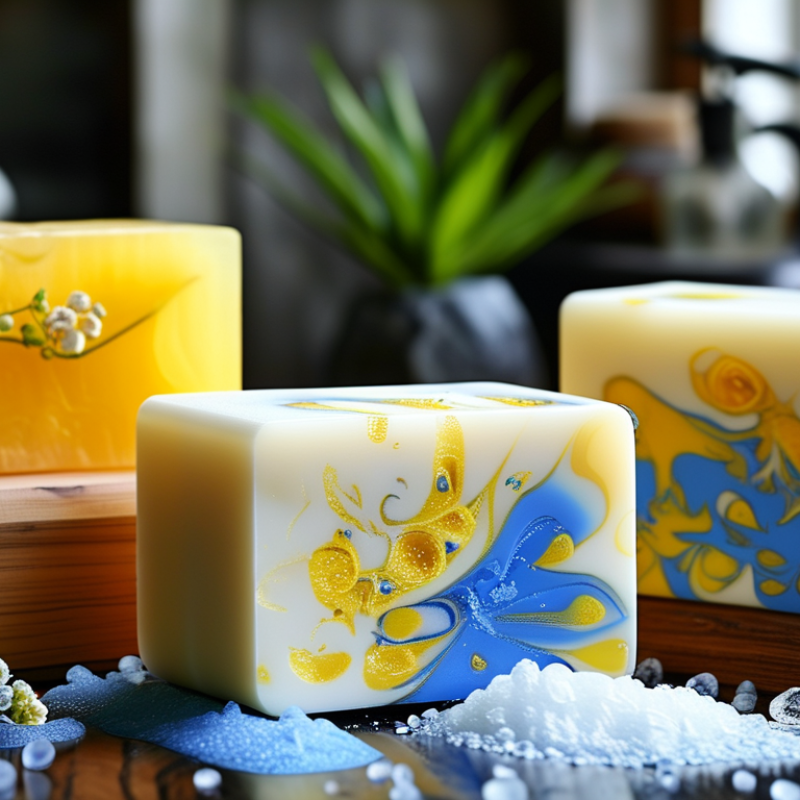
Anionic soap plays a crucial role in various industries. These soaps are known for their excellent cleaning capabilities. They work by creating a rich lather that easily removes dirt and grease. This makes them ideal for use in commercial cleaning services, food production, and even agriculture. They are effective against oils and fats, making them versatile.
In business applications, choosing the right anionic soap is vital. Factors such as pH balance can impact its effectiveness. Some companies prefer biodegradable options for environmental sustainability. The soap's concentration also influences how much is needed for cleaning tasks. While many products claim superior performance, not all will meet your specific needs. Testing different formulations is often necessary.
Awareness of potential skin irritation is essential. Some anionic soaps can be harsh on sensitive skin. This highlights the need for careful handling and proper PPE. Businesses should also consider the compatibility of soaps with equipment and surfaces. This simple step can prevent damage and prolong equipment life. Reflecting on these aspects leads to better choices and healthier work environments.
Key Factors to Consider When Selecting Anionic Soap
Choosing the right anionic soap for your business requires careful consideration. Not all anionic soaps are created equal. It’s vital to understand your specific needs. Factors like foaming ability, cleansing power, and compatibility with other ingredients can significantly influence your selection.
When evaluating anionic soap, assess its application. For heavy-duty cleaning, opt for soaps that provide strong surfactant action. However, be mindful of the potential for skin irritation with stronger formulations. Different industries may have unique requirements. For example, the food industry demands a soap that is effective yet gentle.
Budget is another critical factor. Higher-quality anionic soaps may come at a premium. However, investing in quality can lead to better performance and customer satisfaction. Longevity and efficiency often justify the initial cost. Don't overlook the supplier's reputation. Reliable vendors can offer guidance and support when issues arise. Always seek products that align with your brand values. Reflect on your choices and ensure they meet your long-term goals.
How to Choose the Best Anionic Soap for Your Business Needs? - Key Factors to Consider When Selecting Anionic Soap
| Factor |
Description |
Importance Rating (1-5) |
Considerations |
| Purity Level |
Assess the purity of the anionic soap to avoid contaminants. |
5 |
Ensure supplier certification and lab testing. |
| Foaming Ability |
Evaluate how well the soap produces foam and lather. |
4 |
Consider the application and end-user preferences. |
| Cost-effectiveness |
Analyze pricing in relation to quality and performance metrics. |
4 |
Balance budget with required specifications. |
| Compatibility |
Check if the soap is suitable for your specific applications. |
5 |
Assess compatibility with existing products and systems. |
| Environmental Impact |
Consider the soap’s impact on the environment and adherence to regulations. |
3 |
Look for eco-friendly certifications. |
| User Experience |
Gather feedback from users regarding texture, scent, and overall satisfaction. |
4 |
Consider customer reviews and conduct trials. |
Evaluating Quality and Performance Metrics of Anionic Soap
When selecting the right anionic soap for business use, evaluating quality and performance metrics is essential. Anionic soaps are widely favored for their superior cleaning properties. According to a report from the Journal of Surfactant Science, anionic surfactants have a higher surface activity compared to non-ionic and cationic types. This means they can effectively emulsify, penetrate, and remove dirt and grease, making them ideal for various applications.
One key metric to assess is the soap's foaming ability. A study by the American Cleaning Institute indicates that foam stability is crucial in many cleaning applications. Anionic soaps can produce consistent foam even under adverse conditions. However, not every formulation maintains foam quality throughout its lifecycle. It's vital to consider how the soap performs under different water conditions, as high hardness can reduce effectiveness.
Another important factor is biodegradability. Reports from the Environmental Protection Agency show that consumers increasingly prefer eco-friendly products. Many anionic soaps may claim to be biodegradable, but testing methods can vary widely. Investigating third-party certifications can provide reliable insights. Each formulation may present unique challenges and benefits. Understanding these complexities can lead you to the best choice for your business needs.
Performance Metrics of Anionic Soap Options
Comparing Cost and Supplier Options for Anionic Soap
Choosing the right anionic soap for your business can be challenging, especially when comparing costs and supplier options. Recent reports indicate that the global anionic surfactants market is expected to reach $25 billion by 2025, highlighting the increasing demand. Understanding the various suppliers available is crucial. Factors such as pricing, delivery times, and quality assurance should not be overlooked.
When evaluating suppliers, consider conducting a cost-benefit analysis. Look beyond just the price per unit. Some suppliers may offer lower prices but lack reliability in delivery or product consistency. A study by Market Research Future shows that companies that prioritize supplier relationships can save up to 20% on overall costs.
Tips: Always request samples to verify quality. This step can save you disappointments down the line. Be aware of hidden costs, like shipping and customs fees, which can inflate the final price. Regularly assess your supplier's performance to ensure they meet your growing business needs. Check for certifications to guarantee compliance with industry standards.
Assessing Regulatory Compliance and Safety Standards for Anionic Soap
When selecting anionic soap for commercial use, understanding regulatory compliance and safety standards is crucial. Different regions have specific guidelines regarding chemical composition and labeling. Familiarizing yourself with organizations like the EPA or OSHA can provide you with valuable insights. This knowledge helps ensure your products meet required safety measures.
It is important to verify the sourced ingredients. Some raw materials may pose risks if not properly documented. Look for certifications and safety data sheets. They provide essential information about safety handling and potential hazards associated with each component. Neglecting to check these can lead to severe consequences.
Stay informed about updates in regulations. Changes often occur as new data emerges. Regularly consult industry standards or experts to ensure compliance. This proactive approach can prevent potential liabilities. Missteps in this area can damage your reputation and affect your customers' trust. Reflection on current practices is key to maintaining safety and compliance in your business.