Leave Your Message

How to Choose Synthetic Preservatives for Your Products?

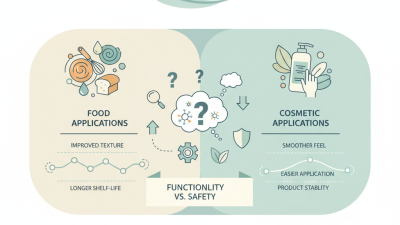
Choosing the right synthetic preservatives for your products is crucial for product safety and longevity. Synthetic preservatives play a vital role in preventing microbial growth and extending shelf life. However, the selection process requires careful consideration and expertise.

Understanding the characteristics of various synthetic preservatives is essential. Some may work well with specific formulations, while others could cause adverse reactions. Knowledge of potential allergens and compatibility with other ingredients is also important. The right choice can enhance product efficacy and ensure consumer safety.

It's also important to reflect on your choices. Not all synthetic preservatives are created equal. Some might be effective but may introduce challenges, such as consumer perception or regulatory scrutiny. Balancing efficacy with public sentiment is a delicate task. Engaging with industry experts can provide valuable insights into this complex decision-making process.
How to Choose Synthetic Preservatives for Your Products?

Understanding Synthetic Preservatives and Their Role in Products

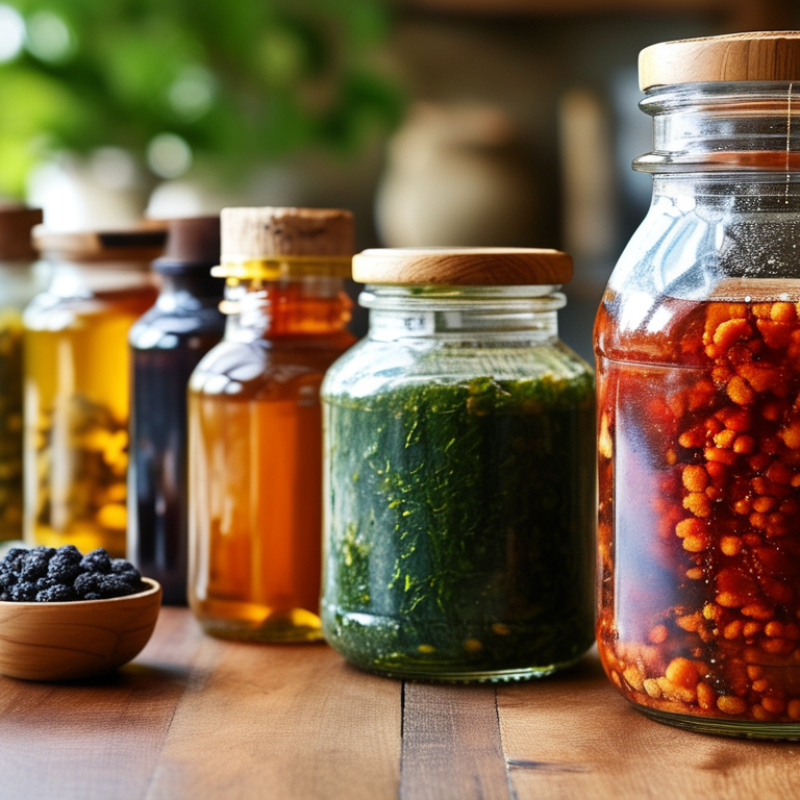
Synthetic preservatives play a crucial role in extending the shelf life of various products, from food to cosmetics. These ingredients help prevent spoilage and microbial growth. Understanding their function is vital for informed choices. Not all preservatives are equal. Each has a unique profile concerning effectiveness and safety.

When selecting a synthetic preservative, consider its effectiveness against specific microorganisms. Not all preservatives work well in every formulation. It's important to test compatibility. Yes, natural alternatives exist. However, some synthetic options are more reliable and stable. Balancing safety and efficacy is essential.

Critics often point out potential health concerns. While regulatory bodies assess these substances, ongoing research is vital. Each product development journey should include a careful evaluation of preservatives. Learning from these reflections is key. Often, the search for the most suitable preservative can reveal surprising insights about formulation chemistry.

Types of Synthetic Preservatives Commonly Used in the Industry

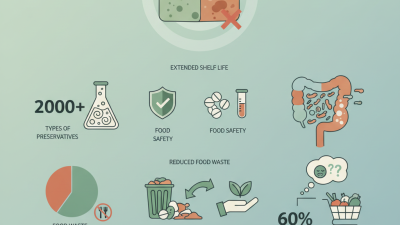
In the world of product formulation, synthetic preservatives play a crucial role in extending shelf life. These agents inhibit microbial growth and help maintain product integrity. Various types of synthetic preservatives are prevalent in the industry, each with unique properties and applications.

Common categories include parabens, benzoates, and sorbates. According to a report from the Journal of Food Science, approximately 70% of personal care products contain parabens. Parabens are effective against bacteria and molds, but recent concerns over their safety have led to a shift in consumer preferences. Meanwhile, benzoates and sorbates are widely used in food products, known for their effectiveness in acidic environments. These preservatives are regulated, ensuring they meet safety standards.

Choosing the right preservative requires consideration of several factors. The target product pH, formulation compatibility, and the potential for skin irritation must be assessed. While synthetic preservatives offer many advantages, ongoing debates about their safety remind us of the importance of transparency and consumer awareness. Striking a balance between effectiveness and safety presents a challenge in product development.

Evaluating the Safety and Efficacy of Synthetic Preservatives

When selecting synthetic preservatives, safety and efficacy are key. Understanding what these preservatives do is essential. They are primarily used to extend shelf life and inhibit microbial growth. However, not all synthetic options are created equal. Their safety varies, and it's crucial to evaluate each product thoroughly.

Research plays a vital role in assessing safety. Look for studies that examine potential health effects. This includes allergic reactions and long-term impacts on consumers. Regulatory bodies provide guidelines, but their recommendations can change. Therefore, continuous education is necessary. Observing industry trends can offer insights into emerging safer alternatives.

Efficacy is equally important. Not every synthetic preservative works effectively across all product types. Some may excel in cosmetics, while others are better suited for food. Testing under different conditions helps evaluate their performance. Consideration of formulation interactions will reveal how well a preservative performs in your specific product. This approach ensures a balanced choice, aligning product safety with effectiveness, and fostering trust with consumers.

How to Choose Synthetic Preservatives for Your Products?

Preservative Efficacy Safety Profile Regulatory Status Common Uses
Benzyl Alcohol Effective against bacteria and fungi Generally recognized as safe (GRAS) but may cause skin irritation Permitted in cosmetics and personal care products Lotions, creams, and shampoos
Phenoxyethanol Broad-spectrum antimicrobial activity Considered safe for use in low concentrations Approved by the Cosmetic Ingredient Review (CIR) Cosmetics, lotions, and sunscreens
Sodium Benzoate Effective against yeasts and molds Generally recognized as safe (GRAS) but limited use in acidic conditions Permitted in food and beverage products Beverages, sauces, and skincare products
Methylparaben Effective against a wide range of microorganisms Considered safe at low concentrations; regulated Permitted in cosmetics and personal care products Creams, lotions, and hair care products
Ethylhexylglycerin Effective as a skin conditioning agent and preservative Considered safe; minimal irritant risk Approved for cosmetic use Moisturizers, face masks, and serums

Factors to Consider When Choosing Synthetic Preservatives

When choosing synthetic preservatives, several factors warrant careful consideration. Begin with the product's intended use. For food, cosmetics, or personal care, the preservation needs vary significantly. The preservation efficacy must align with the product's composition, pH, and storage conditions. Understanding how different preservatives interact with other ingredients is critical.

Regulatory guidelines also play a pivotal role. It's essential to be aware of the permitted levels of synthetic preservatives in your region. Some preservatives may pose health risks at high concentrations, prompting scrutiny from regulatory bodies. Balancing safety with efficacy can be challenging. There may be trade-offs, and each choice might not suit every product type.

Lastly, consider consumer perception. A growing segment of the market prefers natural options over synthetic ones. This might influence your choice and ultimately affect product success. While synthetic preservatives can enhance shelf life, their acceptance varies. Take time to evaluate potential repercussions from consumers. Reflecting on feedback will help refine your choices and strategies moving forward.

Regulatory Guidelines and Compliance for Synthetic Preservatives

Navigating the complex landscape of regulatory guidelines for synthetic preservatives is crucial for ensuring product safety. Different regions have unique regulations. For example, the EU has stringent requirements under the Cosmetics Regulation (EC) No 1223/2009. Manufacturers must demonstrate that all ingredients, including preservatives, are safe for consumers.

Compliance begins with understanding permissible limits. The IFRA (International Fragrance Association) sets specific guidelines for using synthetic preservatives in scent products. A 2022 report highlighted that up to 75% of preservatives were employed within safe thresholds, protecting consumers while maintaining product efficacy. However, variances exist across jurisdictions. Some preservatives banned in one region may still be permissible elsewhere.

Communicating with regulatory bodies is essential. Engaging experts can provide insights into evolving regulations. A survey indicated that 32% of manufacturers struggle to keep up with compliance changes. The landscape is dynamic, with new studies constantly reshaping the understanding of synthetic preservatives. This requires continuous vigilance and adaptation to maintain product integrity and consumer trust.