How to Choose the Best Pet Shampoo for Your Pets?
When selecting the best pet shampoo, it’s vital to consider your pet's specific needs. A report by the American Pet Products Association indicates that over 70% of pet owners prioritize grooming products. This statistic highlights the importance of choosing the right pet shampoo. A suitable product not only cleanses but also protects your pet’s skin and coat.
Different pets have varying sensitivities. Some may require hypoallergenic formulas, while others benefit from natural ingredients. According to market studies, the pet grooming industry is projected to exceed $5 billion, reflecting a growing trend towards premium products. High-quality pet shampoos often contain nourishing elements. However, not all advertised benefits hold up in reality.
Pet shampoos can also pose risks if not chosen wisely. Some contain harsh chemicals that may irritate skin or worsen allergies. Reviews are mixed, with some pet owners expressing dissatisfaction. Thus, understanding your pet's unique coat and skin type helps in making an informed decision. Striking the right balance in quality, ingredients, and type will ensure your pet maintains a healthy and shiny coat.
Understanding Your Pet's Skin and Coat Needs
Understanding your pet's skin and coat needs is vital for choosing the right shampoo. Different pets have different skin types. For example, some may have oily skin, while others might experience dryness or irritation. Identifying these characteristics will help in selecting a shampoo that caters to your pet’s specific requirements. For pets with sensitive skin, look for shampoos that are free from harsh chemicals. Opt for gentle, natural ingredients that won't cause further irritation.
Additionally, consider the type of coat your pet has. Long-haired breeds may require conditioners or detangling formulas to maintain smoothness. Short-haired pets often need less moisturizing but may benefit from a formula that enhances shine. Observing your pet's coat condition after washing can provide insights. If their fur feels coarse or appears dull, it might be time to reevaluate your shampoo choice. Finding what works best is often a process of trial and error.
Regular baths are essential, but over-bathing can strip essential oils from the skin. Aim for a balance and adjust based on your pet's activity level and coat condition. Consult with a vet for expert opinions if you notice persistent skin issues. Their expertise can guide you in finding the most suitable products for your pet’s well-being.
Types of Pet Shampoos and Their Specific Uses
When selecting the right pet shampoo, understanding the types available is crucial. There are various options tailored for specific needs. For instance, hypoallergenic shampoos are perfect for pets with sensitive skin. These formulas minimize irritation and promote healing. They often contain natural ingredients, which can be gentler on your pet's coat and skin.
Medicated shampoos are another choice. These are designed to treat specific skin conditions, such as infections or allergies. Always consult a vet before using these. It's essential to follow usage instructions carefully to avoid harming your pet. Remember, not all shampoos suit every pet. Always consider your pet's individual needs.
Using the right shampoo can enhance your pet's well-being. Focus on your pet's skin type and any existing conditions. If unsure, it's wise to conduct a patch test. Apply a small amount of shampoo to a small area. Watch for any adverse reactions. This simple step can prevent potential discomfort later. Regular baths are essential. Be mindful not to over-bathe, as this can strip natural oils from their coat. With careful selection, bathing can be a positive experience for both you and your pet.
Key Ingredients to Look for in Pet Shampoos
When selecting the right pet shampoo, ingredient awareness is crucial. A report from the American Pet Products Association indicates that 67% of pet owners prioritize safety. Opt for shampoos with natural ingredients like oatmeal and aloe vera. These are known for their soothing properties and help relieve itchy skin. Around 30% of pets suffer from skin allergies, making gentle formulas essential for maintaining their health.
Avoid shampoos with harsh chemicals. Sodium lauryl sulfate is a common ingredient that can irritate pets’ skin. Instead, look for hypoallergenic formulations. These are designed specifically for pets with sensitivities. Reports show that over 20% of pets display adverse reactions to specific ingredients. Check for pH-balanced options, as a balanced pH promotes healthier skin and coat.
Consider additional benefits from certain ingredients, such as tea tree oil. This natural antifungal can prevent infections, especially in moist areas. However, it’s essential to ensure that your pet is not sensitive to it. Many veterinarians recommend introducing new products gradually. Relying solely on popular opinions may backfire if the chosen shampoo doesn't suit your pet's unique needs.
Safety Considerations When Choosing a Pet Shampoo
Choosing the right pet shampoo involves careful consideration of safety factors. Ingredients are critical. Many shampoos on the market contain harmful substances like parabens and sulfates. These chemicals can irritate your pet's skin and may lead to long-term health issues. According to a study by the Journal of Veterinary Dermatology, over 30% of pet owners reported that their pets experienced skin irritation after using certain shampoos. This highlights the importance of reading labels and doing research.
Pet shampoos should ideally be pH-balanced. A dog’s skin pH is different from humans, usually ranging from 6 to 7.5. Using products that are not pH-adjusted can disrupt the skin barrier, leading to dryness and infections. Look for shampoos formulated specifically for pets to ensure their skin remains healthy and hydrated.
Consider natural options that contain soothing ingredients like oatmeal or aloe vera. These components can help with skin sensitivity and enhance coat health. Always perform a patch test when using a new product. Apply a small amount on your pet's skin and monitor for any adverse reactions. Maintaining a pet's hygiene should not compromise its safety. Regular grooming is just as essential as product selection in keeping your furry friend healthy.
Pet Shampoo Safety Considerations
Tips for Bathing Your Pet with Shampoo Effectively
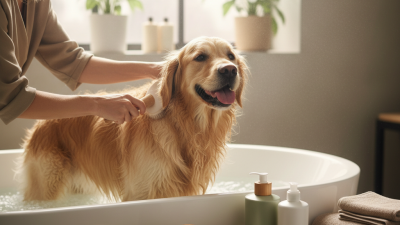
Bathing your pet can be a delightful experience with the right approach. Start by gathering all necessary items: shampoo, towels, and treats. Choose a quiet spot to avoid distractions. Always check the water temperature before you begin. It should be warm but not too hot. Pets can easily become anxious during baths, so a calming environment is essential.
When applying shampoo, focus on sections of your pet's body. Use gentle strokes, starting from the neck down to avoid splashes on their face. Rinse thoroughly to prevent skin irritation. Some pets may resist, so take your time and offer treats for positive reinforcement. It's normal for your pet to shake off water. Prepare for this and have towels ready to catch any splatters.
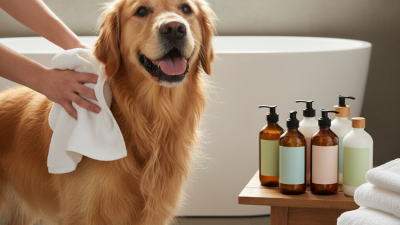
After the bath, drying is key. If your pet dislikes the blow dryer, use a towel first. Be mindful of their comfort level, as some pets may feel overwhelmed. Reflect on your approach after each session. Did your pet enjoy it? Were they well-behaved? Adjust your technique based on their reactions. Each bath is a learning experience for both you and your furry friend.