10 Essential Tips for Choosing the Best Pet Shampoo for Your Furry Friend
When it comes to keeping your furry friend clean and healthy, choosing the right pet shampoo is essential. With a wide variety of options available on the market, pet owners may find themselves overwhelmed by the choices. Selecting the best pet shampoo not only impacts the cleanliness of your pet’s coat but also contributes to their overall well-being. The right products can help to address specific needs such as sensitive skin, allergies, and odor control, ensuring your pet feels comfortable and looks great.

In this article, we will explore ten essential tips that will guide you through the process of choosing the best pet shampoo for your beloved animal. From understanding your pet's skin type to evaluating the ingredients in each product, these tips are designed to empower you as a pet owner. By taking the time to consider these factors, you can ensure that bath time is not only a pleasant experience for your pet but also an effective one, promoting healthy skin and a lustrous coat. Whether you’re a new pet parent or a seasoned owner, these insights will help you make informed decisions for your furry companion’s grooming routine.
Understanding Your Pet's Specific Needs for Shampoo Selection
When selecting the best pet shampoo for your furry friend, it is crucial to understand their specific needs. Different pets have different coat types, skin sensitivities, and health conditions that can influence the choice of shampoo. For instance, pets with sensitive skin may benefit from hypoallergenic formulas free of harsh chemicals and fragrances. It's also important to consider the length and texture of your pet's fur; long-haired breeds may require shampoos that provide extra moisture and detangling benefits, while short-haired dogs might need a product that focuses on shine and cleanliness.
Additionally, consider any skin conditions your pet may have, such as allergies or dermatitis. Specialized shampoos formulated with soothing ingredients like oatmeal or aloe vera can help alleviate discomfort and nourish the skin. Always check with your veterinarian to ensure your selected shampoo aligns with your pet’s health and grooming needs. This tailored approach not only promotes a healthier coat but also enhances your pet’s overall well-being, making bath time a more pleasant experience for both of you.
Ingredients to Avoid: Chemicals That Could Harm Your Pet's Skin
When selecting a pet shampoo, it’s crucial to be vigilant about the ingredients, particularly those that may be harmful to your furry friend's skin. Research indicates that many commercial pet shampoos contain harsh chemicals such as sulfates, parabens, and synthetic fragrances. According to a recent survey by the American Veterinary Medical Association (AVMA), over 30% of pets experience skin sensitivities that can be exacerbated by these ingredients, leading to itching, inflamed skin, and even infections.
Further compounding the issue, the Pet Food Manufacturers Association (PFMA) reports that improper shampooing can disrupt the natural oils on a pet’s skin. This disruption can leave pets more susceptible to allergens and irritants. For instance, shampoos containing ethanol or ammonia can strip essential moisture, contributing to dryness and increasing the likelihood of dermatological issues. Therefore, pet owners should opt for formulations labeled as "chemical-free," "hypoallergenic," or containing natural ingredients like oatmeal and aloe vera, which are gentle and soothing on a pet’s skin.
Choosing the Right pH Level: The Importance of Balance in Pet Shampoos
When selecting the best pet shampoo, one critical aspect to consider is the pH level.
Pets have skin that is more sensitive than human skin, requiring shampoos formulated with the right pH to maintain their natural skin barrier.
A balanced pH level, typically around 6.5 to 7.5 for pets, ensures that the shampoo cleanses without stripping essential oils or causing irritation.
Using a shampoo with the correct pH can help prevent skin issues and keep your furry friend comfortable.
Tip 1: Always check the label for pH information. Many pet shampoos will specify their pH level, allowing you to make an informed choice.
If it’s unlisted, consider contacting the manufacturer for details.
Another essential tip is to consider the specific needs of your pet. Some pets may have special skin conditions or allergies that require mild, hypoallergenic formulations.
Opting for a shampoo with a balanced pH designed for sensitive skin can make a significant difference in their overall well-being.
Tip 2: Consult your veterinarian if unsure of the best shampoo for your pet's skin type.
They can provide recommendations tailored to your furry friend's needs, ensuring you choose a product that will clean effectively without causing harm.
Natural vs. Commercial: Evaluating Pet Shampoo Options for Safety
When selecting a pet shampoo, the debate between natural and commercial options is crucial, especially considering the safety and health of your furry friend.
Natural shampoos often contain organic ingredients, free from harsh chemicals, making them a safer choice for pets with sensitive skin or allergies. Ingredients like oatmeal, aloe vera, and essential oils can provide soothing effects and are less likely to irritate the skin compared to synthetic additives found in some commercial shampoos. Moreover, opting for natural products aligns with a growing trend towards
healthier, environmentally conscious pet care.
On the other hand, commercial pet shampoos may offer targeted solutions for specific issues, such as controlling fleas or alleviating skin conditions.
However, pet owners must read labels carefully, as some may contain substances that could potentially harm their pets. For instance, recent studies highlight the importance of safety when treating conditions like giardiasis in dogs, underlining that not all pet products are created equal.
Select shampoos that are both effective and safe, ensuring they are free of harmful ingredients. Ultimately, your choice should prioritize your pet's health while satisfying their grooming needs.
Fragrance and Sensitivity: How Scented Shampoos Affect Pets with Allergies
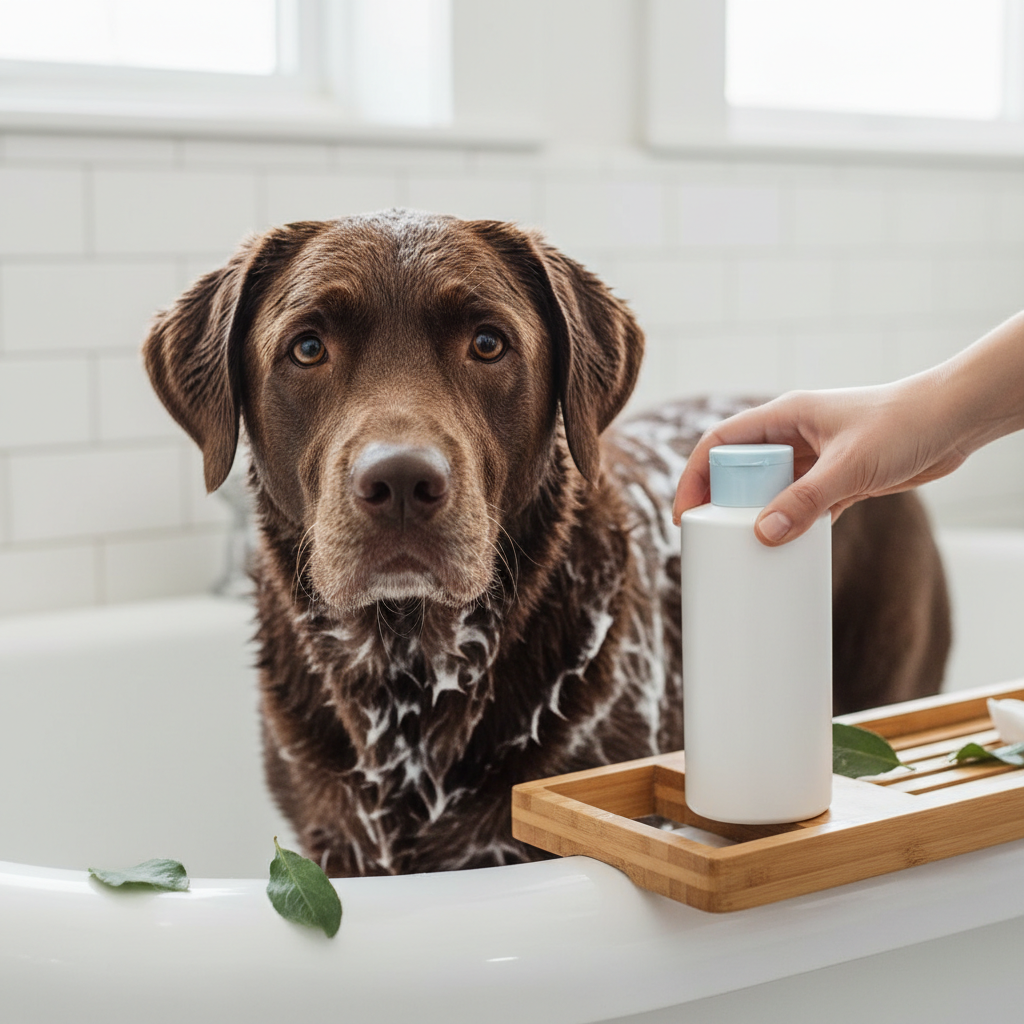
When selecting a pet shampoo, it's crucial to consider the impact of fragrances on pets, especially those with allergies or sensitivities. Many scented shampoos are appealing to pet owners, offering a pleasant aroma that may mask odors. However, for pets with delicate skin or respiratory issues, these fragrances can trigger allergic reactions or exacerbate existing conditions. Ingredients commonly used for fragrances may cause itching, redness, or irritation, making it essential to read labels carefully before making a choice.
Opting for unscented or hypoallergenic shampoos can be a safer alternative for pets prone to allergies. These products are designed to be gentle on the skin and are less likely to contain harsh chemicals that could lead to a negative reaction. If a scented shampoo is preferred, seek options that use natural fragrances derived from essential oils, ensuring they are specifically formulated for pets. Always conduct a patch test on a small area of skin to check for any adverse reactions before applying the shampoo more broadly. By prioritizing the specific needs of your furry friend, you can help maintain their health and comfort while keeping them clean and smelling fresh.