What is Grease Making Raw Materials and How to Source Them?
In the world of industrial manufacturing, understanding "Grease Making Raw Materials" is crucial. Industry expert Dr. Emily Carter states, "The quality of raw materials directly impacts the performance of the final grease product." This highlights the importance of sourcing high-quality components.
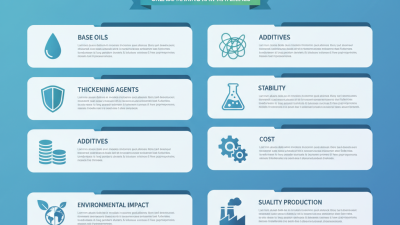
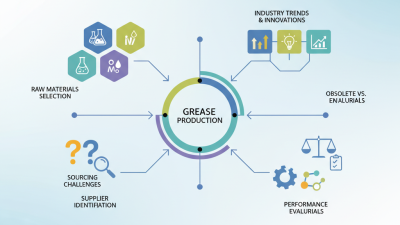
Grease production relies on various ingredients, such as base oils and thickening agents. These materials must meet strict specifications to ensure optimal performance in applications ranging from automotive to machinery. However, finding reliable suppliers can be challenging. Quality assurance and transparency in sourcing are essential for manufacturers.
As we explore the process of sourcing "Grease Making Raw Materials," it's vital to reflect on best practices. Manufacturers must consider local and global supply chains, as sourcing decisions can affect costs and quality. Understanding these dynamics is key to maintaining product integrity and meeting customer demands.

What Are the Primary Raw Materials for Grease Production?
Grease production relies on several key raw materials. The primary components include
base oils,
thickening agents, and
additives.
Base oils often account for 70% to 90% of the final grease composition.
These oils can be mineral, vegetable, or synthetic. According to a recent report by the
National Lubricating Grease Institute,
the demand for synthetic base oils is growing rapidly due to their superior performance characteristics.
Thickening agents are crucial for achieving the desired consistency in grease. Common types include
lithium,
calcium, and
polyurea soaps. Each type offers distinct properties.
For instance, lithium-based greases are known for their
high-temperature stability. The market for thickening agents is projected to reach
$4 billion by 2025, highlighting their importance in grease formulations.
Additives enhance grease performance by improving properties such as oxidation resistance and rust prevention.
Common additives include antioxidants and
corrosion inhibitors. While they play a vital role, sourcing quality additives remains a challenge for manufacturers.
Some suppliers may not meet stringent industry standards, raising concerns about consistency and reliability in the final product.
It’s essential to research and collaborate with reputable suppliers to ensure
high-quality grease production.
Key Properties of Grease Making Raw Materials and Their Applications
Grease making raw materials play a crucial role in industrial applications. These materials typically include base oils, thickeners, and additives. Each component has distinct properties that affect performance. For instance, base oils provide lubrication, while thickeners give grease its consistency. Additives can enhance properties like stability and wear resistance.
Sourcing these materials requires expertise and understanding of their characteristics. The viscosity of base oils impacts the grease's flow at different temperatures. Thickeners like lithium or calcium soaps influence mechanical stability. Identifying reliable suppliers is essential. Quality must be consistent. This aspect can significantly affect end-user satisfaction.
It is not uncommon to face challenges when sourcing these raw materials. Variability in quality can lead to inconsistent performance. Additionally, understanding the compatibility of various additives is vital. Improper combinations can result in reduced effectiveness. Continuous learning is necessary to address these challenges. This way, you can enhance the reliability and performance of the final grease product.
Global Sourcing Strategies for High-Quality Grease Raw Materials
Sourcing high-quality grease raw materials globally requires careful consideration. Many companies rely on market reports. According to a recent study by Grand View Research, the global grease market is projected to reach USD 5.2 billion by 2025, emphasizing the importance of securing high-quality inputs.
A diverse supplier network is crucial. Businesses should explore regions known for specific raw materials. For example, lithium, an essential component in lithium greases, is primarily sourced from South America. Establishing relationships with reliable suppliers can ensure access to top-tier materials. This approach mitigates risks associated with relying on a single source.
Price volatility is a concern. Market fluctuations can impact raw material pricing, creating challenges in budgeting. Companies must stay informed about market trends and pricing indexes. Regularly reviewing supply agreements may promote better pricing strategies, preventing unexpected costs. It's essential to be adaptable and refine sourcing strategies based on changing market conditions.
Environmental Considerations in Grease Raw Material Sourcing
Environmental considerations in sourcing raw materials for grease production are critical for sustainability. Grease manufacturing often relies on petroleum-based sources, which contribute to greenhouse gas emissions. Using renewable resources, such as plant oils, can significantly reduce the environmental impact. Biodegradable options not only help the environment but also attract eco-conscious consumers.
Tips: Consider local sourcing to minimize transportation emissions. Assess the life cycle of materials. Ensure suppliers prioritize sustainability to enhance your product's eco-friendliness.
Another challenge is the inconsistency in the quality of raw materials. Not all alternatives perform equally. It's essential to balance environmental benefits with the technical requirements of your grease products. Some sustainable materials may not meet performance benchmarks, leading to potential failures in application. This is an ongoing consideration for manufacturers striving for greener options.
Tips: Regularly conduct quality checks on raw materials. Collaborate with suppliers to understand their sustainability practices. Engage in continuous improvement efforts for both product and process.
Raw Materials for Grease Production
This bar chart illustrates the various raw materials used in grease production and their estimated sourcing percentages. Environmental considerations play a key role in choosing sustainable sources for these materials.
Market Trends and Forecasts for Grease Raw Material Supply Chains
The grease industry is evolving, and understanding the supply chain of raw materials is crucial. Market trends indicate a growing demand for high-performance greases, driving businesses to rethink their sourcing strategies. The raw materials for grease include base oils, thickeners, and additives. Each component's supply chain stability directly impacts production efficiency and costs.
Recent analysis reveals fluctuations in supply due to various global factors. Economic instability in key producing regions affects availability and pricing. Companies face challenges in ensuring consistent material quality. Sustainable sourcing emerges as a significant demand, leading to innovations in eco-friendly thickeners. However, sourcing sustainable materials can sometimes lead to higher prices and limited availability.
Understanding market forecasts is essential for businesses. Firms can gain a competitive edge by aligning their purchasing strategies with these trends. Attending industry conferences and collaborating with suppliers can improve insights. Yet, it requires ongoing effort to adapt to changes. Companies must remain vigilant and flexible in their approaches to raw material sourcing as market dynamics shift.