How to Identify and Avoid Synthetic Preservatives in Your Food?
In today's food landscape, understanding what we consume is vital. Synthetic preservatives are common additives in many processed foods. They extend shelf life but often at a cost to our health. These chemicals can lead to various health issues over time.
Identifying synthetic preservatives is essential for making informed choices. Many consumers are unaware of the hidden ingredients in their meals. Labels often hide these additives under complex names, complicating our efforts to avoid them. This lack of clarity can leave us feeling powerless.
We must take responsibility for our food choices. Being vigilant about ingredient lists can empower us. Though it's challenging, we can learn to distinguish between natural and synthetic options. Our health should always be a top priority, demanding our attention. The journey to avoiding synthetic preservatives starts with awareness and knowledge.
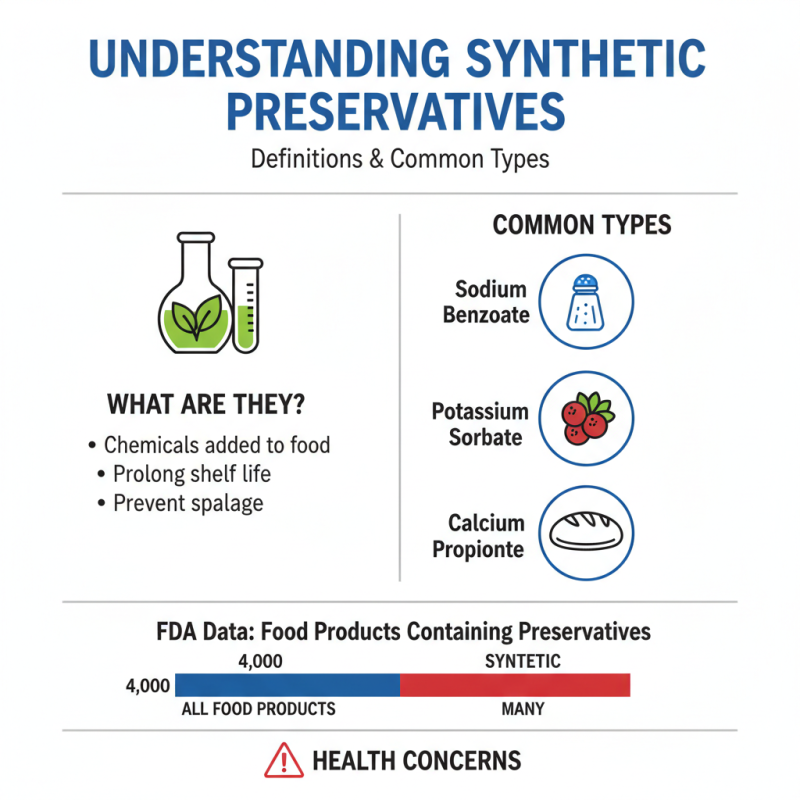
Understanding Synthetic Preservatives: Definitions and Common Types
Synthetic preservatives are chemicals added to food to prolong shelf life and prevent spoilage. Common examples include sodium benzoate, potassium sorbate, and calcium propionate. Data from the Food and Drug Administration (FDA) shows that 4,000 food products contain preservatives, many of which are synthetic. This raises concerns about their impact on health.
Understanding these preservatives is crucial. They can disrupt gut health and may lead to allergic reactions in some individuals. A study published in the Journal of Food Science found that synthetic preservatives can cause microbiome imbalances. Though these substances help reduce waste, they may carry hidden health risks.
The challenge lies in identifying these additives in food labels. Terms like “sorbate” or “benzoate” can be misleading. Some foods, labeled as “natural,” may still contain synthetic preservatives. Consumers must be vigilant. An analysis from the Center for Science in the Public Interest highlights that 70% of packaged foods contain at least one synthetic preservative. Being aware of what’s in your food can lead to healthier choices and better overall wellness.
Reading Labels: How to Spot Synthetic Preservatives in Ingredients
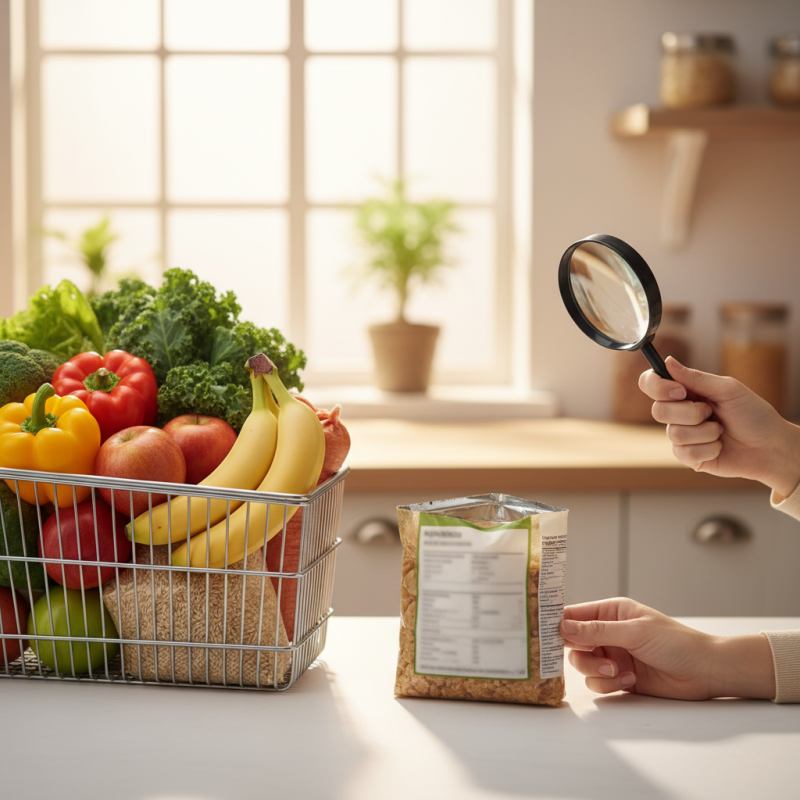
When you grab a food product, the label can tell you a lot. Understanding how to read these labels is essential. Synthetic preservatives are often hidden within long ingredient lists. Ingredients ending in “-ates” or “-ides” are commonly synthetic. These can include sodium benzoate or potassium sorbate. Familiarize yourself with these terms to make better food choices.
Tips for spotting synthetic preservatives include checking for the number of ingredients. If the list is overly long, it may contain unwanted substances. Shorter ingredient lists usually indicate fresher options. Look for organic or natural labels, as these products typically avoid synthetic additives. However, remain cautious; some products can still carry misleading claims.
Sometimes, your favorite snack may contain preservatives. It’s important to reflect on your choices. Discretion is key; not all preservatives are harmful, but many serve as a red flag. Prioritize whole, unprocessed foods whenever possible. Your health is worth the extra effort in deciphering labels.
Natural Alternatives: Preservative Options That Are Safe and Effective
When it comes to food preservation, many consumers are turning to natural alternatives. Research indicates that approximately 70% of shoppers are concerned about synthetic preservatives in their food. This awareness has sparked interest in more natural options that promise safety and effectiveness without compromising quality.
Natural preservatives like vinegar, salt, and lemon juice have been used for centuries. They not only enhance flavor but also inhibit bacterial growth. A study by the Food Research International journal revealed that vinegar can reduce food spoilage by up to 90%. Salt is another classic choice, as it helps to remove moisture and create an inhospitable environment for microbes. Certain essential oils, like rosemary and thyme, are gaining traction too. These oils have antimicrobial properties that can extend shelf life significantly.
However, relying solely on natural options isn't foolproof. For instance, the effectiveness of these preservatives can vary based on the food type and storage conditions. While they align with consumer preferences for clean labels, they may not always provide the same shelf life as synthetic counterparts. Thus, it is vital to approach these natural preservatives with an understanding of their limitations and effectiveness in specific applications. Balancing safety, taste, and preservation is crucial in this evolving landscape of food choices.
How to Identify and Avoid Synthetic Preservatives in Your Food?
| Preservative Type |
Common Foods |
Natural Alternatives |
| Sodium Benzoate |
Soft drinks, fruit juices |
Vinegar, lemon juice |
| Potassium Sorbate |
Cheeses, baked goods |
Rosemary extract, vitamin E |
| BHT (Butylated Hydroxytoluene) |
Snack foods, cereals |
Oregano oil, green tea extract |
| MSG (Monosodium Glutamate) |
Soups, processed meats |
Nutritional yeast, celery powder |
Shopping Smart: Tips for Choosing Preservative-Free Food Products
When it comes to choosing preservative-free food products, shoppers need to be educated and mindful. According to the Clean Label Project, nearly 70% of food products contain some form of synthetic preservatives. These chemicals can lead to adverse health effects, so knowing how to avoid them is crucial.
Tips for shopping smart include reading labels carefully. Look for simple ingredients. The fewer the ingredients, the less likely it contains synthetic additives. In addition, consider buying organic products. Research shows that organic foods often have minimal or no preservatives. Check if the item is certified by a reputable organization, as this can indicate higher standards.
Be wary of phrases like "natural flavor" or "preservative-free" without certified labels. These terms can sometimes be misleading. Another great tip is to shop the perimeter of the grocery store. Fresh produce, meats, and dairy usually have fewer preservatives than processed items found in the center aisles. Always strive for whole, unprocessed foods when possible. Reflect on your choices; opting for fresher foods may require more effort, but the health benefits can be significant.
Cooking at Home: How to Minimize Synthetic Preservatives in Meals
Cooking at home is a great way to control what goes into your meals. When you prepare food yourself, you can easily select fresh ingredients. This choice helps reduce the risk of synthetic preservatives often found in processed foods. Start by using whole foods like vegetables, grains, and proteins. Look for locally sourced items. These can be fresher and less likely to contain additives.
Experimenting with herbs and spices can enhance flavor without added preservatives. For example, instead of using processed sauces, try making your own with fresh ingredients. This method not only improves taste but also boosts nutrition. Remember that not all preservatives are harmful, but it’s wise to limit them where possible. Sometimes, it's tricky to know what’s in your food.
Planning meals can also help you avoid unwanted preservatives. When you create a shopping list, stick to it. Avoid impulse buys which often lead to purchasing packaged items. Cooking in batches and freezing meals allows you to enjoy homemade food throughout the week. Be mindful of ingredient labels, seeking out short lists of recognizable items. Your journey to healthier eating may have bumps, but each small step counts.