What is Latex Raw Material and How is it Used in Various Industries?
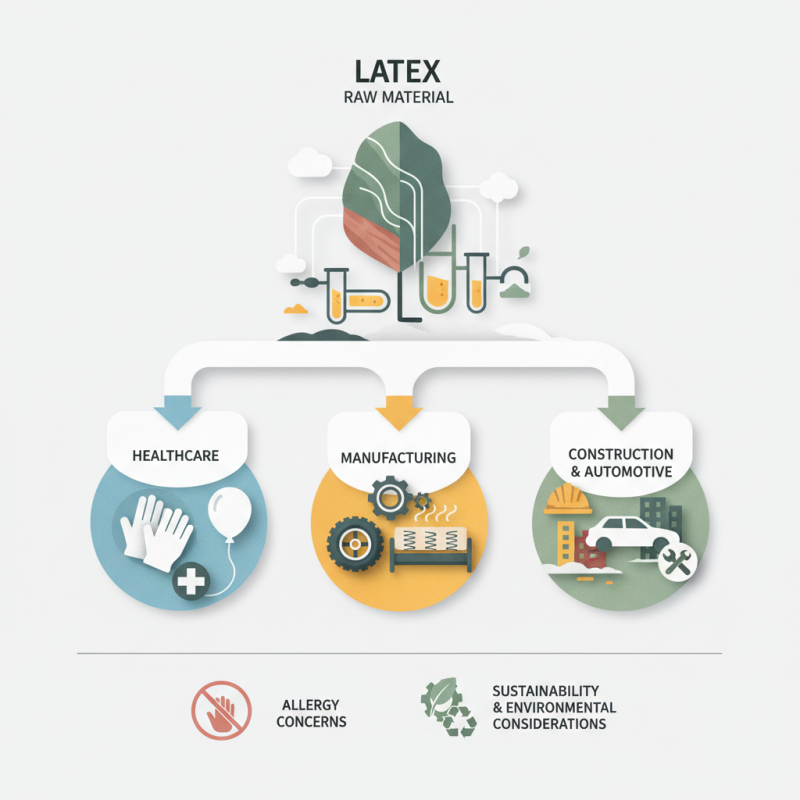
Latex Raw Material is essential in many industries. It is derived from the rubber tree and has unique properties. This versatile substance is used in products like gloves, balloons, and mattresses.
In manufacturing, Latex Raw Material plays a critical role. Its elasticity and durability make it ideal for various applications. The healthcare sector relies heavily on latex gloves for protection. These gloves ensure safety during medical procedures. However, some people are allergic to latex, presenting challenges for manufacturers.
Moreover, the automotive and construction industries benefit from this material. Latex provides excellent resistance to wear and tear. Yet, environmental concerns about latex processing exist. Manufacturers must consider sustainable practices. This motivates discussions and reflections on resource management in the latex industry.
What is Latex Raw Material?
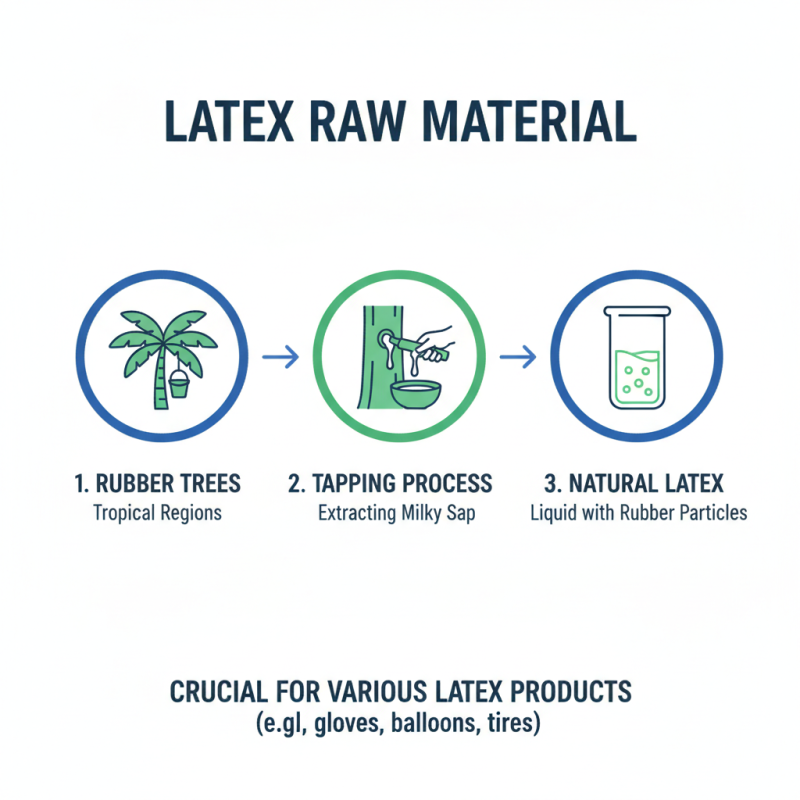
Latex raw material is a natural substance derived from rubber trees. These trees are mostly found in tropical regions. The extraction process involves tapping the bark to collect latex sap. This sap is a milky fluid containing rubber particles. It's crucial for creating various latex products.
In industries, latex serves multiple purposes. It is used in manufacturing gloves, balloons, and mattresses. The flexibility of latex makes it ideal for diverse applications. However, there can be challenges. For instance, some people have allergies to latex. It’s essential to consider these issues when using latex products. Additionally, the production process impacts the environment. Sustainable practices are vital in addressing ecological concerns.
Latex also faces competition from synthetic alternatives. These alternatives can mimic rubber properties but often lack biodegradability. This raises questions about long-term effects on our planet. As industries evolve, finding a balance between latex and synthetic materials remains a challenge. It's a complex landscape that requires careful reflection and innovation.
Sources of Latex: Natural vs. Synthetic
Latex is a versatile raw material found in two forms:
natural and synthetic.
Natural latex is derived from rubber trees, specifically from the sap called
hevea brasiliensis. This sap is harvested, processed, and transformed
into latex products. Contrary to popular belief, not all latex is the same.
Natural latex has unique properties, often considered superior in elasticity and comfort.
On the other hand, synthetic latex is made from petrochemicals. It mimics natural latex but often lacks some of
its beneficial properties. The production process can be more consistent, leading to cheaper options. However, synthetic latex
may involve more additives and processing chemicals, raising some environmental concerns.
Tips: When selecting latex products, consider the intended usage.
For example, natural latex works best for mattresses and pillows. It provides better breathability and comfort.
Do check for certification labels indicating the product's origin. Choosing eco-friendly materials can benefit the planet too.
While natural latex is a great choice, remember that availability can vary. Regularly assess your needs and options to ensure
you’re making informed decisions.
Properties and Characteristics of Latex Raw Material
Latex raw material is a versatile substance obtained from rubber trees. It possesses unique properties that make it valuable across various industries. For instance, its elasticity and durability are crucial in manufacturing products like gloves, balloons, and adhesives. According to a report by Smithers Pira, the global demand for natural rubber, including latex, is expected to reach 13 million tons by 2025.
One important characteristic of latex raw material is its biodegradability. This feature appeals to industries striving for eco-friendly solutions. In contrast, synthetic alternatives often pose disposal challenges. The impressive tensile strength of latex also supports its use in medical applications, ensuring that tools and equipment meet strict health standards.
Tips: When using latex products, consider the source and sustainability. Not all latex is created equal. Ensure that it complies with environmental regulations. Explore alternatives if allergic reactions occur. Always check for certifications to confirm quality and safety.
Applications of Latex in the Medical Industry
Latex is a vital raw material in many industries, notably in the medical field. It is widely used to produce medical gloves, catheters, and various other devices. According to an industry report by Grand View Research, the global latex medical gloves market was valued at approximately $3.8 billion in 2021. This demand is driven by the growing need for hygiene and infection control in healthcare settings.
Medical gloves made from latex provide an excellent barrier against pathogens. They excel in tactile sensitivity compared to alternatives. However, there are concerns regarding latex allergies. Around 1% to 6% of healthcare workers experience allergic reactions. It’s crucial to weigh the benefits against potential risks. Alternative materials are increasingly being adopted.
Tips: Always consider hypoallergenic options if you or your staff have sensitivities. Training on proper glove usage can minimize exposure to allergens. Regular feedback from healthcare professionals is essential. It helps improve product offerings and can lead to better health outcomes. Balancing safety and effectiveness is a continuous journey in the medical sector.
Applications of Latex in the Medical Industry
Uses of Latex in Consumer Products and Manufacturing
Latex is a versatile raw material used across numerous industries. In consumer products, it plays a crucial role. For example, around 15 million tons of natural rubber latex are produced annually. The household products market benefitted significantly from latex. Items like gloves, balloons, and mattresses rely on its unique properties.
In manufacturing, latex represents a critical component. According to industry reports, the demand for latex-based coatings and adhesives has surged by
5% per year. Its elasticity and durability make it ideal for automotive parts, electronic casings, and medical devices. Nonetheless, some manufacturers overlook the environmental impact of latex production.
Sustainability remains a challenge. The latex industry must address deforestation and pollution. As awareness grows, consumers prefer eco-friendly options. A shift toward responsible sourcing could transform the industry. Balancing demand and ethical production is essential for future growth.
Conclusion
Latex raw material is a versatile substance derived from both natural and synthetic sources, playing a significant role in various industries due to its unique properties. Natural latex comes from rubber trees, while synthetic latex is produced through chemical processes. Both forms share similar characteristics such as elasticity, resilience, and water resistance, making them suitable for a wide range of applications.
In the medical industry, latex is predominantly used for items like gloves and catheters, ensuring hygiene and safety. Its applications extend into consumer products and manufacturing, ranging from balloons to adhesives. However, the production of latex raw material also raises concerns regarding environmental impact and sustainability, necessitating ongoing efforts to promote eco-friendly practices in its sourcing and processing. Overall, latex raw material remains a crucial component in multiple sectors, balancing its benefits with the need for sustainable production methods.