What is Latex Rubber Raw Material and Its Uses for Buyers?
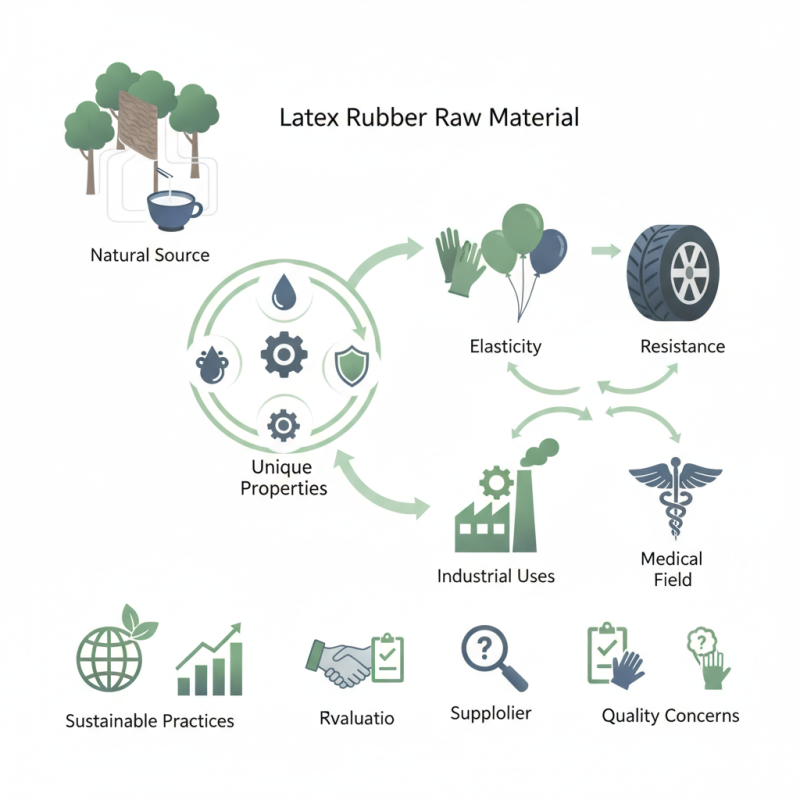
Latex Rubber Raw Material is a versatile substance with numerous applications across various industries. This natural material is derived from rubber trees, making it an eco-friendly choice for many manufacturers. Its unique properties provide excellent elasticity, durability, and resistance to abrasion, making it ideal for products like gloves, balloons, and even automotive components.
Buyers interested in Latex Rubber Raw Material should understand its wide range of uses. For instance, in the medical field, it effectively forms protective gloves that are both flexible and strong. In the industrial sector, its applications extend to gaskets and seals, which require robustness. Despite its strengths, sourcing high-quality latex rubber can be challenging. Variability in quality and consistency is common, leading to concerns about product reliability.
Moreover, the environmental impact of latex sourcing must be considered. Sustainable practices are critical for the rubber industry. Many suppliers are now investing in eco-friendly sourcing methods, yet some aspects still warrant scrutiny. Buyers should be diligent in evaluating their suppliers to ensure responsible sourcing. The journey of Latex Rubber Raw Material continues to evolve, reflecting both its potential and the challenges that come with it.
What is Latex Rubber Raw Material?
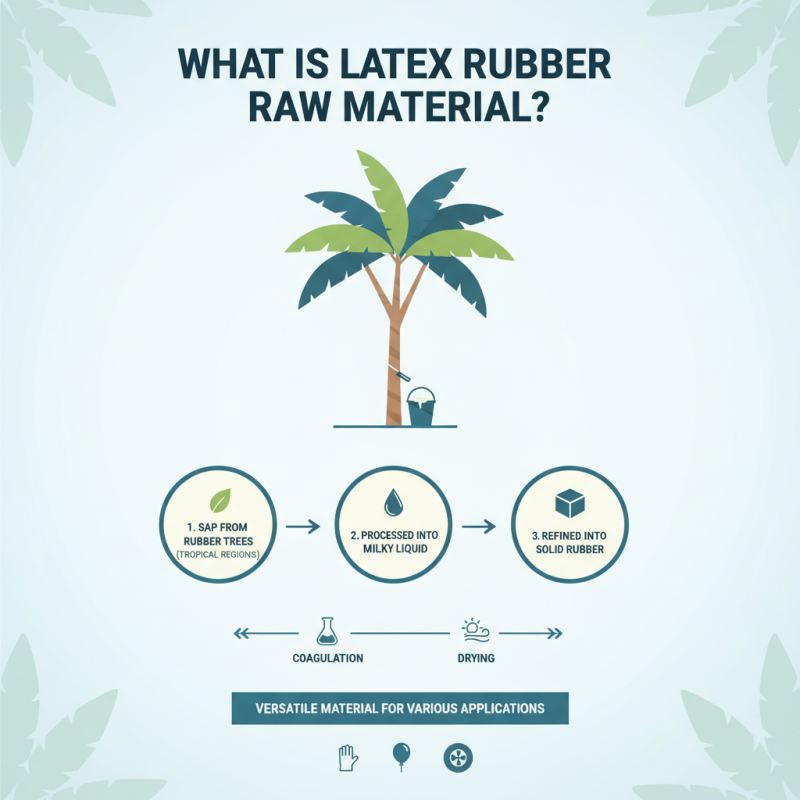
Latex rubber is a natural material derived from the sap of rubber trees, primarily found in tropical regions. Its unique properties make it a versatile option for various applications. When the sap is processed, it becomes a milky liquid, which can be further refined into solid rubber products. This process involves several steps, including coagulation and drying, resulting in different forms of latex rubber suitable for multiple uses.
One significant characteristic of latex rubber is its elasticity, which allows it to stretch without breaking. This feature is crucial in products like gloves, balloons, and mattresses. Additionally, latex rubber is water-resistant and provides a good grip, making it ideal for footwear and sporting goods. However, it’s important to note that not everyone can use latex, as some may have allergic reactions. This creates a challenge for buyers who need to ensure that their target audience can use their products safely.
Procuring latex rubber requires careful consideration. Buyers must evaluate their suppliers to ensure quality and sustainability. Not all latex is created equal; some may contain additives or be produced in ways that harm the environment. Transparency from suppliers is essential in this industry to foster trust and reliability. Buyers should remain informed and actively engage with suppliers about their practices.
Types of Latex Rubber Available for Buyers
Latex rubber is a versatile material commonly used in various industries. Buyers should be aware of the different types of latex rubber available. The most prevalent types include natural rubber latex and synthetic latex, each with unique properties.
Natural rubber latex, sourced from rubber trees, is known for its elasticity and durability. Reports indicate that approximately 28% of the world’s rubber production is derived from natural sources, highlighting its significance in manufacturing.
Synthetic latex, on the other hand, can be tailored for specific applications. It is created through polymerization processes and includes styrene-butadiene latex and nitrile latex. Styrene-butadiene latex accounts for around 55% of total latex consumption due to its excellent abrasion resistance and aging stability. Nitrile latex is popular for its oil and chemical resistance, making it ideal for gloves and automotive applications. Buyers must consider these factors when selecting the right type for their needs.
Understanding the properties of each latex type is crucial. Natural latex offers high tensile strength but may cause allergies in some users. Synthetic varieties reduce this risk but may not provide the same elasticity. Assessing these differences helps buyers make informed choices. Industry reports stress the importance of evaluating both the use case and potential drawbacks of each latex type to ensure optimal selection.
Key Properties and Advantages of Latex Rubber
Latex rubber is a natural material derived from rubber trees. It is prized for its unique properties and versatile applications. Its elasticity and durability make it ideal for various products, including gloves, mattresses, and automotive parts. Moreover, latex rubber is biodegradable, unlike many synthetic alternatives, offering an eco-friendly choice for consumers.
Key properties of latex rubber include its high tensile strength and resistance to wear and tear. These attributes give products made from latex a longer lifespan. Additionally, latex exhibits excellent flexibility, allowing it to stretch without breaking. This quality is particularly beneficial in medical applications. Products like gloves provide protection while ensuring comfort for users.
Tip: When selecting latex products, consider their firmness and density. A higher density often indicates better durability but may also be less flexible. Always check for allergens, as some individuals may have sensitivities to latex.
Another important advantage is its natural resistance to dust mites and mold. This makes latex rubber a preferred choice for bedding and cushioning materials. While latex has many benefits, it can sometimes be difficult to source sustainably. Consumers should always inquire about the sourcing practices of suppliers. Understanding the origin of latex can affect both quality and environmental impact.
Tip: Look for certifications that ensure ethical sourcing of latex products. This can guarantee you're supporting sustainable practices while making your purchases.
What is Latex Rubber Raw Material and Its Uses for Buyers? - Key Properties and Advantages of Latex Rubber
| Property |
Description |
Advantages |
Common Applications |
| Elasticity |
Ability to stretch and return to original shape |
Provides flexibility and comfort |
Bouncing balls, rubber bands, and gloves |
| Durability |
Resistance to wear and tear |
Long-lasting performance |
Industrial seals, tires, and footwear |
| Water Resistance |
Ability to repel water |
Ideal for outdoor applications |
Wet suits and weatherproof garments |
| Biodegradability |
Breakdown by natural processes |
Environmentally friendly option |
Packaging materials and eco-friendly products |
| Chemical Resistance |
Resilience against various chemicals |
Suitable for diverse industrial applications |
Laboratory equipment and chemical processing |
Main Applications of Latex Rubber in Various Industries
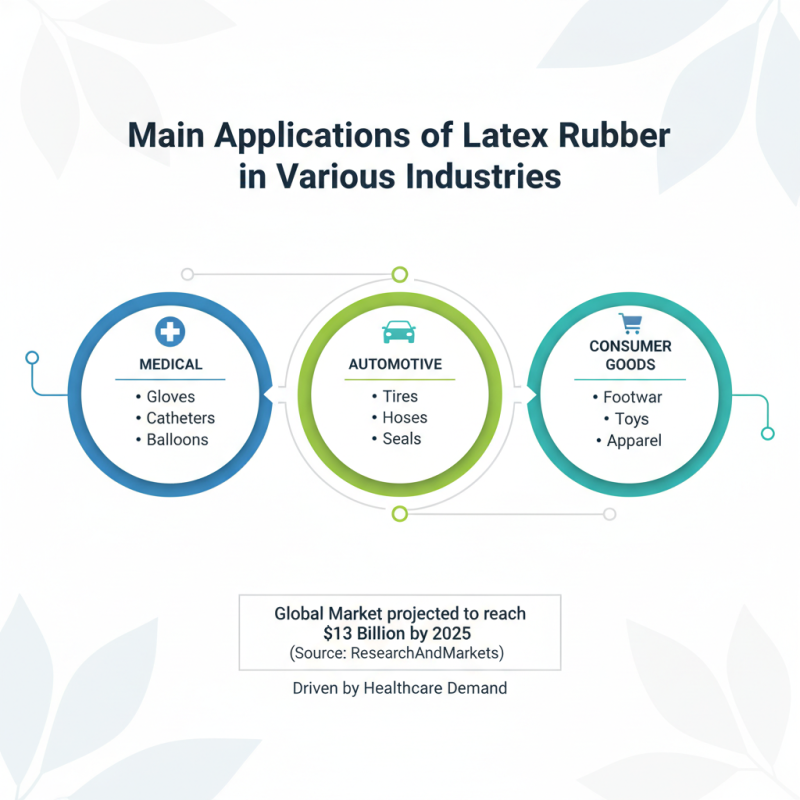
Latex rubber, derived from the sap of rubber trees, has become a vital material across various industries. Its elasticity and durability make it suitable for applications in medical, automotive, and consumer goods. For instance, the global latex rubber market is projected to reach approximately $13 billion by 2025, according to a report by ResearchAndMarkets. This growth is driven by the increasing demand for latex products, particularly in the healthcare sector.
In the medical industry, latex rubber is primarily used for producing gloves, catheters, and surgical masks. These products are crucial in ensuring hygiene and safety during medical procedures. The automotive sector utilizes latex rubber for seals and gaskets, enhancing performance and efficiency. Latex rubber also finds application in household items, such as balloons and adhesives, signifying its versatility.
Tips: When sourcing latex rubber, prioritize quality certifications. Reliable suppliers often provide documentation that ensures the material meets safety and performance standards.
While latex rubber is indispensable, it’s essential to consider environmental impacts. The production process can lead to deforestation and habitat loss. As awareness about sustainability rises, industries are urged to seek eco-friendly alternatives. Balancing product demand with responsible sourcing practices remains a challenge for buyers.
Considerations for Purchasing Latex Rubber Raw Material
When considering the purchase of latex rubber raw material, buyers must weigh various factors. Quality is crucial, as it directly impacts the end product's performance. According to a market analysis by Smithers, the global latex market is projected to reach a value of $14.5 billion by 2025, highlighting rising demand. Buyers should ensure compliance with industry standards, such as ASTM and ISO, which dictate quality benchmarks.
Sustainability is another key consideration. Natural latex's eco-friendliness stands out. It is biodegradable and renewable. However, sourcing practices vary significantly. Some suppliers might not follow responsible harvesting practices, leading to environmental degradation. Buyers must investigate the supply chain thoroughly. Understanding this can prevent possible future ethical dilemmas.
Price fluctuations are inevitable. Data shows that latex prices can be volatile, influenced by global supply and demand dynamics. Buyers should monitor market trends closely. This diligence helps in making well-informed purchasing decisions. Failure to do so might lead to overpaying or quality issues. Engaging with reputable suppliers may mitigate risks. An informed choice can significantly enhance business operations and product quality.