What is Latex Rubber Raw Material and How to Source It?
In the realm of materials science, sourcing quality Latex Rubber Raw Material is crucial for diverse industries. Dr. Emily Stanton, a noted expert in polymer sciences, emphasizes, "The integrity of your product starts with the right raw materials." This highlights the importance of understanding the sourcing process for latex rubber.
Latex Rubber Raw Material is not just a commodity; it is a foundation for innovation in manufacturing. Companies relying on this material must consider factors like sustainability, quality, and supply chain stability. Sourcing can be challenging. Many suppliers overpromise on quality but underdeliver on performance. This inconsistency can lead to significant production hurdles.
Building reliable partnerships in this industry requires rigorous evaluation. Metrics for potential suppliers should extend beyond price to include their environmental practices and material testing results. It is essential to assess whether they meet industry standards. Supply chain transparency is critical here. The path to securing quality Latex Rubber Raw Material involves careful planning and strategic decision-making, aiming for long-term reliability and excellence.
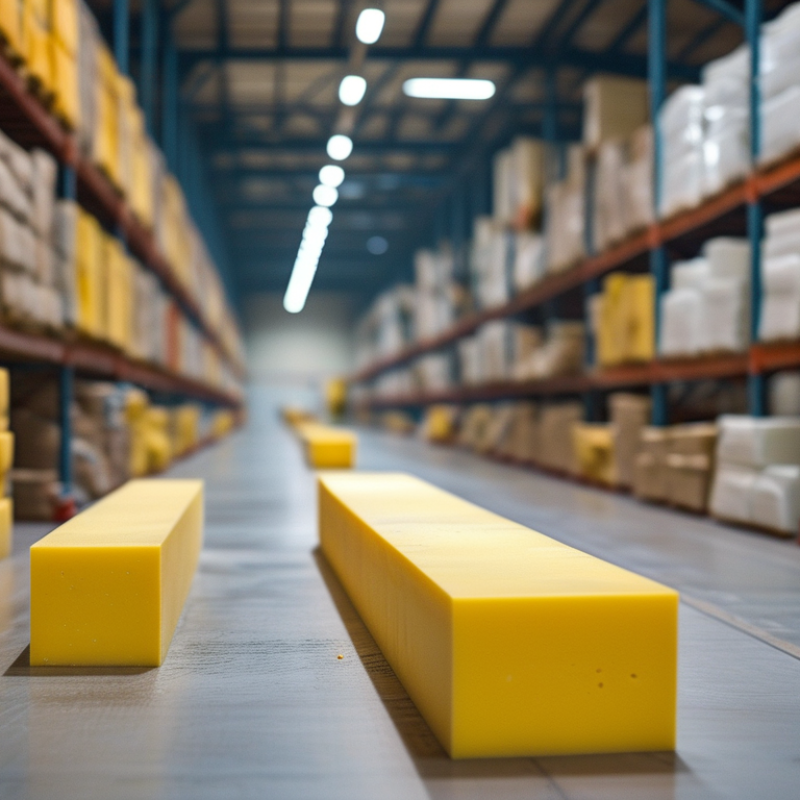
What is Latex Rubber Raw Material?
Latex rubber is a natural product derived from the sap of rubber trees. It is primarily used in various industries, including automotive, healthcare, and textiles. According to a report by Smithers Pira, the global market for latex rubber reached approximately $28 billion in 2021 and is projected to grow steadily over the next five years. This growth is attributed to the increasing demand for eco-friendly and sustainable materials.
The processing of latex involves careful handling to maintain its properties. Natural latex can possess excellent elasticity and resilience, making it suitable for products like gloves and mattresses. However, the sourcing of high-quality latex rubber is a challenge. Factors such as weather and disease can impact the production yield. Reports indicate that up to 40% of latex production can be lost due to these environmental issues. This raises concerns about supply chain stability and quality assurance.
When sourcing latex rubber, it's essential to consider trusted suppliers who provide detailed information on their production processes. Transparency is key for buyers who seek reliable materials. Not all suppliers maintain high standards, which can lead to variations in quality. Some buyers may compromise on sourcing to cut costs, risking product integrity. Thus, understanding the source and quality of latex rubber is crucial for long-term success in any manufacturing endeavor.
Types of Latex Rubber: Natural vs. Synthetic
Latex rubber comes in two main types: natural and synthetic.
Natural latex is derived from rubber trees and is known for its elasticity and strength.
It has a unique processing method that helps retain its natural properties.
On the other hand, synthetic latex is crafted from petrochemicals.
It offers better resistance to weather and aging.
Natural latex is biodegradable and can be more environmentally friendly.
Synthetic latex, however, often provides additional benefits like enhanced durability and moisture resistance.
Both types have their strengths and weaknesses depending on the intended use.
Tips: When sourcing latex, consider your specific needs.
Are you looking for sustainability or durability? Research suppliers carefully.
Visit their facilities if possible to assess quality.
Keep in mind that not all latex products will meet your requirements.
Make comparisons to find the best fit for your projects.
Always check for certifications that ensure quality assurance.
Key Properties and Applications of Latex Rubber
Latex rubber is a versatile material derived from natural or synthetic sources. Its unique properties make it essential in various industries. The elasticity, resistance to chemicals, and waterproof qualities are some characteristics that set latex rubber apart. According to a report by Technavio, the global latex-based products market is projected to reach approximately $21 billion by 2025. This growth reflects the increasing demand in sectors such as automotive, healthcare, and consumer goods.
Applications of latex rubber range widely. In the healthcare industry, latex gloves are crucial for maintaining hygiene and safety during medical procedures. The automotive industry utilizes latex in manufacturing components like seals and gaskets, which require durability. However, sourcing high-quality latex can be challenging. Variability in raw materials can affect end product performance. Ensuring consistent quality and managing supplier relationships are paramount for manufacturers. A study by ResearchAndMarkets indicates that fluctuations in latex prices can affect production costs and ultimately impact pricing strategies for finished goods.
While latex rubber has many benefits, there are drawbacks to be aware of. Allergens present in natural latex can pose risks to certain individuals. Manufacturers must navigate these challenges while prioritizing material safety and performance. Exploring sustainable sourcing options is essential for reducing environmental impact and improving supply chain resilience. As the market continues to evolve, understanding the balance between quality and sustainability will play a key role in product development.
Steps to Source Quality Latex Rubber Raw Material
When sourcing quality latex rubber raw material, several critical steps must be followed to ensure reliability. The global latex market was valued at approximately USD 18.9 billion in 2022, with steady growth projected, making quality sourcing paramount. Start by identifying reputable suppliers who prioritize sustainable practices. Look for certifications that verify the environmental standards adhered to in the production process.
Next, assess the quality of the latex. High-quality latex should have a consistent color and viscosity. It’s essential to conduct laboratory tests, such as analyzing the dry rubber content and tensile strength. According to the International Rubber Study Group, about 40% of latex produced annually is exported. This figure highlights the competitive nature of sourcing. Seeking out suppliers who provide transparent sourcing practices will enhance your confidence in the material’s quality.
Lastly, consider the logistics of sourcing. Shipping options can affect the material's quality during transit, so evaluating transport conditions is vital. Engage with suppliers regarding their handling and shipping methods. Delays can compromise freshness. As sourcing practices evolve, it is crucial to remain adaptable and regularly review supplier performance to ensure continued quality adherence.
What is Latex Rubber Raw Material and How to Source It? - Steps to Source Quality Latex Rubber Raw Material
| Dimension |
Description |
Sourcing Steps |
| Source Type |
Natural or Synthetic |
Identify whether to source natural latex from rubber trees or synthetic latex from petrochemicals. |
| Quality Standards |
Technical Specifications |
Research and verify industry standards for quality control metrics such as viscosity and tensile strength. |
| Supplier Research |
Potential Suppliers |
Compile a list of potential suppliers and check their reliability and production capacity. |
| Sample Testing |
Quality Samples |
Request samples from shortlisted suppliers for quality assessment before large-scale purchase. |
| Pricing Analysis |
Cost Evaluation |
Compare pricing among suppliers and evaluate total costs including shipping and duties. |
| Contracts |
Agreements |
Draft and negotiate contracts ensuring favorable terms for delivery and payment. |
Tips for Sustainable Sourcing of Latex Rubber Products
Sourcing latex rubber products sustainably requires careful consideration of various factors. As the demand for eco-friendly materials grows, it’s essential to adopt responsible practices. Sustainable sourcing involves evaluating the environmental impact and ensuring fair labor practices.
Here are some tips for responsible sourcing of latex rubber. First, research suppliers who use sustainable harvesting methods. Look for certifications that ensure practices protect the environment and communities. This makes a significant difference in the quality of the product.
Another critical aspect is transparency. Engage with suppliers about their production methods. Request information on the source of latex and the sustainability efforts in place. Supporting suppliers who prioritize ethical practices is key. This can lead to better products and a positive impact on the ecosystem.
Lastly, consider the recycling options available for latex rubber products. Encourage suppliers to offer take-back programs. This not only reduces waste but also fosters a circular economy. Sustainable sourcing is a journey that requires commitment and reflection on existing practices.