Top Uses and Benefits of Liquid Xanthan Gum for Cooking and Baking
In the culinary world, versatility and innovation often go hand in hand, and Liquid Xanthan Gum has emerged as a remarkable ingredient that transforms the way we cook and bake. With its unique thickening and stabilizing properties, Liquid Xanthan Gum has garnered attention from chefs and home cooks alike who are eager to enhance their dishes and improve textures. Whether you're looking to achieve a creamy sauce, a velvety dressing, or an airy baked good, this powerful ingredient plays a crucial role in achieving desired results.
One of the key benefits of Liquid Xanthan Gum is its ability to create stable emulsions, making it an essential component in salad dressings and sauces. Additionally, it works wonders in gluten-free baking, enabling the creation of delightful textures in breads and pastries that can often be challenging to replicate without gluten. As a natural thickener, it also helps in reducing the need for additional calories, making it a favored choice for health-conscious cooks looking to elevate their meals without compromising nutrition.
In this exploration of the top uses and benefits of Liquid Xanthan Gum, we will delve into its various applications in the kitchen, highlighting how this innovative ingredient can elevate your culinary creations while providing a wealth of functional benefits. From enhancing the visual appeal of sauces to improving the consistency of beverages, Liquid Xanthan Gum is a game-changer that can inspire creativity and precision in everyday cooking and baking.
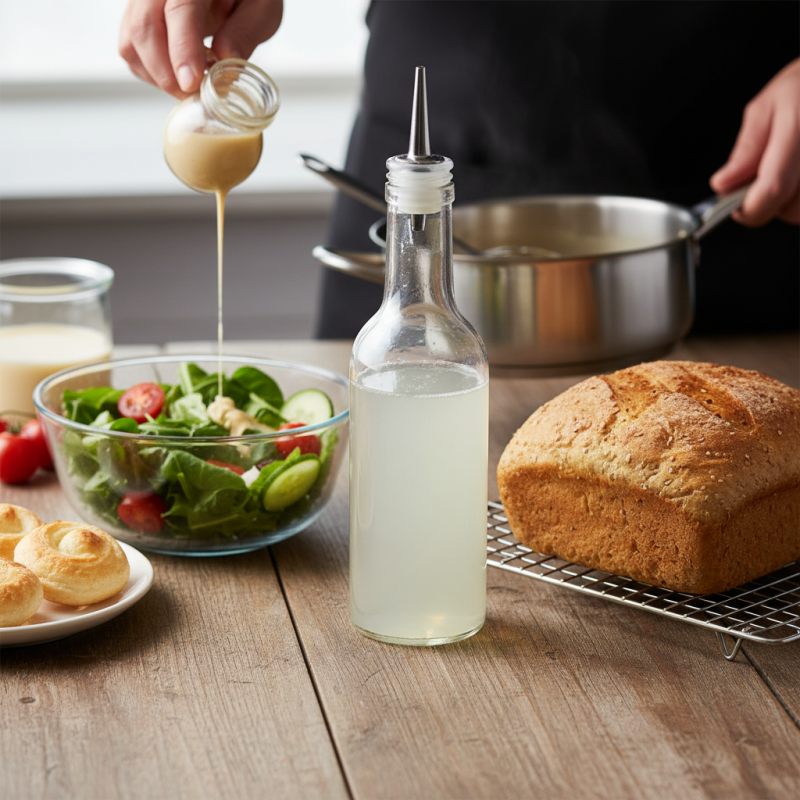
Overview of Liquid Xanthan Gum in Culinary Applications
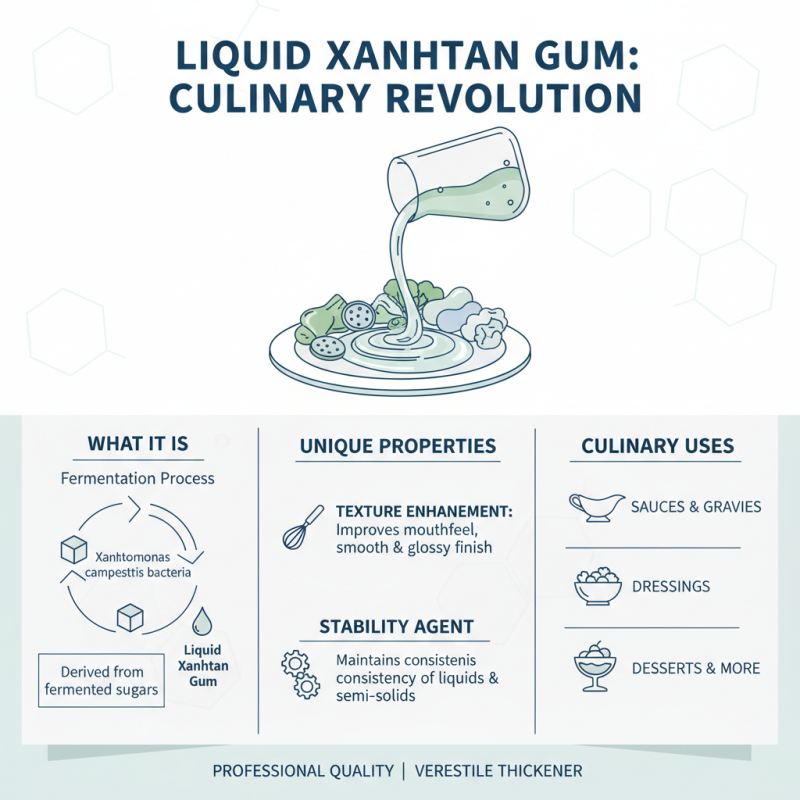
Liquid xanthan gum has become a popular ingredient in the culinary world due to its unique properties that enhance both texture and stability in various dishes. This versatile thickening agent is derived from the fermentation of sugars by the Xanthomonas campestris bacteria, resulting in a product that not only improves the mouthfeel of food but also plays a crucial role in maintaining consistency in liquids and semi-solids. Its ability to create a smooth, glossy finish makes it particularly beneficial for sauces, dressings, and gravies, allowing chefs to deliver a professional-quality appearance.
In baking, liquid xanthan gum serves multiple purposes, acting as a gluten substitute to improve the texture of gluten-free products. It provides the necessary structure, ensuring that baked goods rise properly and remain moist. Additionally, it can extend shelf life by retaining moisture, which is especially valuable in items like bread, cakes, and pastries. As a stabilizer, it prevents ingredient separation in emulsions, which is a common challenge in both homemade and commercially prepared products. Its ease of incorporation into recipes, whether before or after cooking, adds to its appeal, making it a favored choice among both home cooks and professional chefs alike.
Key Benefits of Using Liquid Xanthan Gum in Cooking
Liquid xanthan gum is rapidly gaining popularity in the culinary world due to its versatile applications and numerous benefits. As an essential food thickener, it allows for the creation of stable emulsions and suspensions in dressings and sauces. According to a report by the Food and Drug Administration, xanthan gum is classified as safe for consumption, and its gluten-free nature makes it an ideal ingredient for those with dietary restrictions. Unlike its powdered counterpart, liquid xanthan gum dissolves more readily and provides a smoother texture, enhancing the mouthfeel of various dishes.
Additionally, liquid xanthan gum acts as a powerful stabilizer, particularly in the preparation of gluten-free baked goods. Research published by the Journal of Food Science demonstrates that the inclusion of xanthan gum can significantly improve the structure and rise of gluten-free bread, mimicking the elasticity usually provided by gluten. This ability to maintain moisture is crucial, as gluten-free products often suffer from being too dry or crumbly. A study indicates that recipes incorporating liquid xanthan gum exhibit up to a 20% enhancement in moisture retention, showcasing its effectiveness in improving overall product quality in cooking and baking.
Top Uses and Benefits of Liquid Xanthan Gum for Cooking and Baking
| Use/Benefit |
Description |
Cooking/Baking Applications |
Benefits |
| Thickening Agent |
Enhances texture and thickness in sauces and dressings. |
Soups, Gravies, Salad Dressings |
Creates a stable, smooth consistency. |
| Stabilizer |
Prevents separation of ingredients in mixtures. |
Creams, Ice Creams, Emulsions |
Improves shelf life and texture integrity. |
| Gluten-Free Baking |
Acts as a binder and mimics gluten behavior. |
Breads, Muffins, Pancakes |
Enhances rise and texture in gluten-free recipes. |
| Gel Formation |
Creates a gel-like texture in various dishes. |
Jellies, Puddings, Desserts |
Provides a unique mouthfeel and presentation. |
| Foaming Agent |
Stabilizes air bubbles in mixtures. |
Mousses, Whipped Toppings |
Enhances volume and texture. |
How Liquid Xanthan Gum Enhances Baking Quality and Texture
Liquid xanthan gum is a powerful ingredient that significantly enhances the baking quality and texture of various recipes. One of its primary benefits is its ability to improve viscosity and stability in batters and doughs. When added, it creates a more uniform and cohesive mixture, which can help prevent separation and ensure a consistent texture throughout the baked goods. This is particularly beneficial in gluten-free baking, where maintaining structure and moisture retention can be challenging.
Moreover, liquid xanthan gum contributes to a desirable mouthfeel in baked products. It provides a thicker, smoother quality that can elevate the overall eating experience. In recipes like pancakes or muffins, it helps achieve that perfect fluffy texture, while in sauces and glazes, it lends a glossy finish. This versatility not only enhances flavor delivery but also impacts the visual appeal, making the finished products more enticing to consumers. By incorporating liquid xanthan gum, bakers can achieve professional-quality results that showcase their culinary creativity.
Top Uses and Benefits of Liquid Xanthan Gum for Cooking and Baking
Guidelines for Incorporating Liquid Xanthan Gum in Recipes
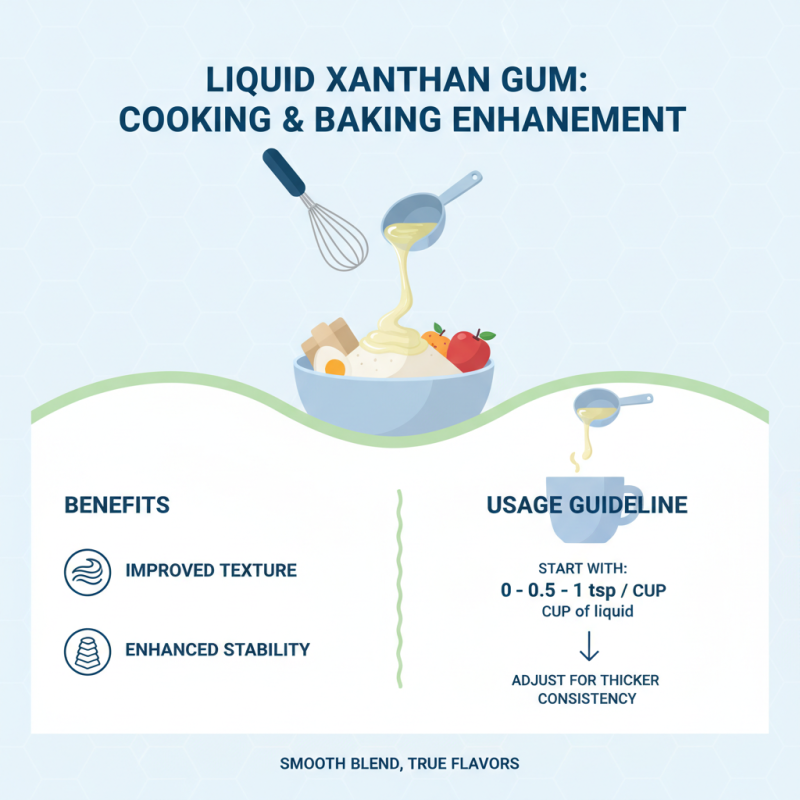
Incorporating liquid xanthan gum into your cooking and baking can greatly enhance both the texture and stability of your recipes. When using liquid xanthan gum, it's essential to consider the specific recipe to determine the appropriate amount. A general guideline is to start with about 0.5 to 1 teaspoon per cup of liquid, gradually increasing if a thicker consistency is desired. This approach helps achieve a smooth blend without overwhelming the dish, allowing the other flavors to shine through.
When adding liquid xanthan gum to recipes, it is best to mix it with liquids first to prevent clumping. Whisk it into the liquid until it is fully dissolved before combining with dry ingredients. For sauces and dressings, it can be used to create a silky texture, while also stabilizing emulsions. In baking, liquid xanthan gum works well in gluten-free recipes, providing elasticity and structure to doughs. By understanding how to effectively incorporate this versatile ingredient, you can unlock new possibilities in your culinary creations.
Common Recipes Featuring Liquid Xanthan Gum as an Ingredient
Liquid xanthan gum is a versatile ingredient that can enhance a variety of recipes, making it a popular choice in both cooking and baking. One common application is in gluten-free baking, where it aids in mimicking the texture of gluten, helping to create fluffy breads and baked goods. For example, when incorporated into gluten-free pancake or waffle batter, liquid xanthan gum improves elasticity and structure, resulting in a delightful breakfast treat.
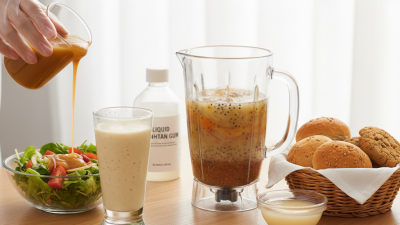
Additionally, liquid xanthan gum is often used in salad dressings and sauces, providing a smooth and creamy consistency without the need for additional oils or emulsifiers. By adding just a small amount, cooks can thicken dressings while maintaining a light texture, perfect for drizzling over fresh salads or marinating vegetables. Moreover, it can be a valuable ingredient in homemade soups, where it not only thickens but also retains flavors, creating a more satisfying dish. Overall, the incorporation of liquid xanthan gum in these recipes showcases its ability to transform standard dishes into culinary delights.