Sourcing Citronella Oil reliably requires more than comparing prices on a supplier website. The product’s botanical identity, extraction method, origin, and chemical profile must remain consistent from farm to filling line. ISO 3848:2016 provides specifications for Java-type citronella oil, including Cymbopogon winterianus. That standard offers a useful technical reference. It does not replace supplier audits.
Market data also shows why careful sourcing matters. Grand View Research’s essential oils market analysis identifies personal care, household products, and aromatherapy as major demand sectors. UN Comtrade records many essential oils under the broad HS 3301 category. This classification can hide important differences between citronella varieties, blends, and refined materials. A low price may reflect a different product.
Ask for a recent certificate of analysis for every production batch. Check GC-MS results, density, refractive index, appearance, and declared botanical name. Request harvest location, distillation date, drum details, and storage conditions. The International Fragrance Association’s standards can support safe intended-use assessments, while independent laboratories can verify questionable results. See the oil clearly.
A dependable supplier should provide traceable documents, responsive technical answers, and samples that match the delivered batch. A bright certificate alone proves very little. I would also inspect the facility, when possible, and speak with the distiller rather than relying only on a trading agent. This process is not perfect; supplier documents can become outdated, and laboratory testing adds cost. Still, careful verification reduces substitution risks and creates a more defensible purchasing decision. Reliable sourcing begins with evidence, not promises.
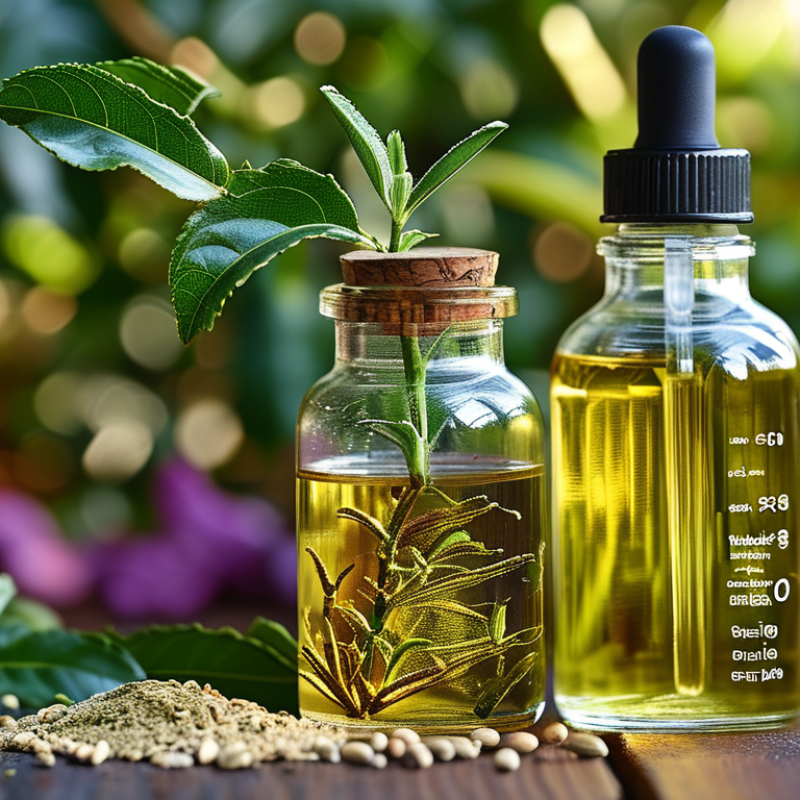
Before contacting suppliers, define how the citronella oil will be used. Cosmetic formulas may require a clean aroma, stable color, and documented allergen information. Soap and household fragrance products may accept different sensory profiles. Do not treat all citronella oils as identical. Cymbopogon winterianus and Cymbopogon nardus can show noticeable differences in scent and composition. Specify the botanical name, plant part, extraction method, and preferred origin. State whether you need steam-distilled oil, organic certification, or a particular citronellal range.
Ask for a recent certificate of analysis, safety data sheet, and batch-specific GC-MS report. Check appearance, odor, density, refractive index, and optical rotation. These details help reveal dilution, oxidation, or inconsistent processing. A sealed amber container matters. So does suitable storage away from heat and sunlight. Request a small sample before placing a large order. Compare it against your approved reference sample under controlled conditions. My earlier mistake was focusing on price before defining acceptable variation. That created avoidable reformulation work.
Tips: Write a one-page specification sheet. Include intended product, batch size, target aroma, testing requirements, packaging, and shelf-life expectations. Ask suppliers how they trace each batch and handle deviations. Keep written records of sample approval. A pleasant first impression is not enough. Reliable sourcing needs repeatable evidence.
Identifying qualified citronella oil supplier candidates starts with traceability, not attractive pricing. Ask for the botanical name, plant part, country of origin, harvest season, extraction method, and batch number. A dependable supplier should provide a recent certificate of analysis, safety data sheet, allergen information, and chromatographic testing such as GC-MS. Check whether these documents match the physical sample. Paperwork alone is not proof.
Request a small sample before discussing large volumes. Examine its pale yellow to amber color, fresh lemon-like aroma, and clarity in a clean glass vial. Compare the sample with the stated specifications and record your observations. Ask how the oil is stored, including container material, temperature control, and protection from light. Reliable candidates can explain their quality procedures without avoiding technical questions. They should also describe complaint handling, replacement policies, and export documentation for your destination market.
Speak with the technical contact, not only a sales representative. Ask for references from comparable buyers when appropriate. A supplier with stable batch records and responsive communication is easier to evaluate. Still, no screening process is flawless. A polished sample may not represent future shipments. I would verify at least one production batch independently before approving regular supply. This extra test costs time, but it can reveal oxidation, dilution, or inconsistent composition before production begins. Supplier qualification should remain an ongoing review, not a one-time decision.
How to Source Citronella Oil from Reliable Suppliers?
A reliable supplier should provide more than a polished product brochure. Request business registration details, facility information, and recent quality certificates. Check whether the supplier can trace each batch to its farms, distillery, and storage site. The certificate of analysis should identify botanical origin, extraction method, batch number, and test date. Ask for independent GC-MS testing when the oil’s chemical profile matters.
Origin deserves close attention. Citronella oil can vary with climate, harvest maturity, drying time, and distillation temperature. A supplier should explain these conditions clearly, not hide behind vague terms like “premium quality.” Review pesticide controls, water management, worker safety, and waste-handling practices. Production records should match the documents supplied. Small mismatches deserve questions.
Do not trust paperwork alone. Request a sealed sample from the same production batch, then compare its aroma, color, density, and test results. Inspect the packaging for an intact seal, lot code, and suitable light protection. Storage temperature also matters because heat can weaken the oil’s character. A site audit or live production call can reveal useful details, although neither proves everything. No check is perfect. Even experienced buyers can overlook seasonal variation or delayed laboratory results. Re-test important batches before large purchases, and keep every record for future comparison.
Compare the commonly reported composition ranges of Java and Ceylon citronella oil. Use the botanical origin, batch-specific GC-MS report, certificate of analysis, and production records to verify supplier claims.
The ranges shown are indicative reference values commonly reported for citronellal, geraniol, and citronellol in citronella oils. Actual composition varies with species, cultivation region, harvest conditions, distillation method, storage, and adulteration risk. Always confirm the country of origin, botanical identity, traceability documents, and batch-specific laboratory results before purchasing.
Reliable citronella oil sourcing starts with a controlled sample review.
Request two sealed batches, not one attractive bottle. Compare color, clarity, viscosity, and aroma after 24 hours. A sharp solvent note deserves investigation. Ask for botanical name, plant part, origin, harvest date, extraction method, and batch number.
Testing results should match the specification, not just a supplier’s sales sheet. ISO 3848:2016 provides quality requirements for citronella oils, including key physical and chemical characteristics. Request GC-MS testing from an independent laboratory.
Check major compounds, density, refractive index, optical rotation, and adulteration markers. Grand View Research estimated the global essential oils market at USD 8.77 billion in 2023, with a projected 9.1% annual growth rate through 2030. That expansion can attract inconsistent material.
A certificate of analysis is useful, but it is not proof without traceable testing. I would also compare the report with the actual sample. Sometimes the numbers look perfect. The smell does not.
Tips:
Price at landed cost. Compare product, testing, drums, insurance, customs handling, and freight. Ask whether the quotation uses FCA, FOB, or CIF terms.
Confirm lead time, minimum order, payment schedule, and responsibility for damaged containers. Use light-resistant, tightly sealed packaging. Request photos before dispatch.
A cheap quote may hide slow shipping or weak documentation. I still leave room for error, especially when seasonal crops change composition.
That uncertainty should appear in the purchasing plan, not after delivery.
Reliable citronella oil sourcing depends on controls that remain practical during busy production periods. Request a representative sample before approving any supplier. Check its color, aroma, density, refractive index, and gas chromatography results. Ask for a batch-specific certificate of analysis, not a generic template. The document should identify the botanical source, extraction method, lot number, and test date. Keep sealed reference samples for future comparison. Small details matter.
A supplier audit can reveal more than polished paperwork. Review storage conditions, tank cleanliness, pest controls, calibration records, and traceability procedures. Confirm that containers are tightly closed, clearly labeled, and protected from heat and sunlight. Set acceptance limits in writing before the first shipment. Include testing responsibilities, inspection rights, nonconformance procedures, and response deadlines. Independent laboratory testing can verify disputed results. It adds cost, but often prevents larger losses.
Long-term supply agreements should match realistic demand, not optimistic forecasts. Define minimum quality requirements, delivery windows, documentation standards, and advance notice for process changes. Include a review mechanism for pricing and raw material availability. Maintain a qualified backup supplier, even when the primary relationship feels stable. That is uncomfortable, but sensible. I have seen forecasts change faster than contracts. A flexible agreement should allow volume adjustments without weakening quality controls. Review performance quarterly using delivery accuracy, test consistency, complaint rates, and corrective-action speed. Perfect stability is unlikely. Continuous review is more credible.
| Control Dimension | Requirement or Reference Value | Recommended Verification Method | Acceptance / Contract Control | Review Frequency |
|---|---|---|---|---|
| Botanical identity | Declare the source species and plant material, such as Cymbopogon winterianus or Cymbopogon nardus; identify leaves or aerial parts used. | Supplier questionnaire, botanical documentation, traceability records, and GC-MS identity profile. | No substitution or undisclosed blending. Any species or origin change requires written approval before shipment. | Each lot and whenever the source changes. |
| CAS and product description | Citronella oil is commonly identified by CAS RN 8000-29-1; the CAS number alone is not sufficient to establish quality or botanical origin. | Compare the purchase specification, label, safety data sheet, technical data sheet, and certificate of analysis. | All documents must describe the same material and intended use. Conflicting information triggers quarantine. | Every shipment. |
| Appearance and odor | Clear to slightly yellow liquid with the characteristic fresh, lemon-like citronella odor; no visible sediment, water separation, or foreign matter. | Visual inspection in a clear container and organoleptic comparison against an approved reference sample. | Reject or investigate abnormal color, rancid odor, haze, sediment, or phase separation. | Each lot upon receipt. |
| Relative density | Set a product-specific range based on the declared species and approved reference lots; a commonly encountered range for citronella oil is approximately 0.880–0.900 at 20°C. | Digital density meter or hydrometer at a controlled temperature, using a validated method. | Use the agreed specification rather than a generic range. Out-of-range results require confirmation testing. | Each lot or risk-based sampling plan. |
| Refractive index | Establish a reference interval for the selected grade; citronella oils commonly fall near 1.466–1.475 at 20°C, subject to species and standard method. | Calibrated refractometer with temperature control. | Result must match the approved specification and GC-MS profile; do not approve on refractive index alone. | Each lot or risk-based sampling plan. |
| Key chemical markers | Monitor citronellal, geraniol, and citronellol. Typical commercial profiles vary by species, growing conditions, distillation, and blending; use an approved fingerprint instead of universal limits. | GC-FID for quantification and GC-MS for identity confirmation, performed by a qualified laboratory. | Define marker ranges from qualification lots. Material outside the fingerprint requires documented investigation and buyer approval. | Every lot for critical applications; otherwise periodic verification. |
| Adulteration screening | No undeclared carrier oils, synthetic isolates, lower-cost essential oils, solvents, or reprocessed material. | GC-MS fingerprint review, targeted screening for phthalates and solvents, and orthogonal testing when results are inconsistent. | Require full corrective-action documentation; repeated nonconformance permits suspension or termination under the supply agreement. | Qualification, annual audit, and risk-based lot testing. |
| Contaminants and residues | Meet applicable legal and customer limits for pesticides, heavy metals, microbial contamination, residual solvents, and other restricted substances. | Accredited laboratory testing using methods appropriate to the destination market and end use. | Specification must reference the importing country, intended application, and current regulatory requirements. | At qualification and according to a documented risk plan. |
| Origin and traceability | Record country or region of cultivation, harvest period, distillation site, batch number, production date, and storage history. | Supplier traceability audit and reconciliation of farm, distillery, warehouse, and shipping records. | Each container must link to a unique lot and supporting production records. Mixed lots require prior disclosure. | Each lot; system audit at least annually. |
| Packaging and storage | Use clean, tightly closed, compatible containers that protect the oil from light, heat, oxygen, and moisture. Keep away from ignition sources. | Container inspection, seal verification, warehouse-condition records, and transport review. | Define acceptable container materials, maximum storage temperature, seal requirements, and damage-reporting procedures. | Every shipment and during supplier audits. |
| Certificate of analysis | CoA must show lot number, test dates, methods, results, specification limits, authorized approval, and retest or best-before information where applicable. | Document review plus periodic comparison with independent laboratory results. | No release without a complete CoA matching the delivered lot. Electronic records must be retained for the agreed period. | Every lot. |
| Supplier qualification | Assess quality management, laboratory capability, change control, complaint handling, traceability, ethical sourcing, capacity, and business continuity. | Desktop assessment, sample qualification, reference checks, and risk-based on-site or remote audit. | Approve only suppliers meeting the documented score threshold and closing critical findings. | Before approval and every 12–24 months based on risk. |
| Sampling and retention | Use a documented representative sampling plan; retain sealed samples under defined conditions for the product’s shelf-life or contractual retention period. | Check sampling records, sample integrity, chain of custody, and retention inventory. | Samples must be sufficient for confirmatory testing and linked to the original lot and delivery date. | Each lot. |
| Long-term supply agreement | Define annual volume, forecast windows, minimum order quantities, lead time, price-adjustment rules, approved specifications, and delivery terms. | Contract review by procurement, quality, regulatory, finance, and legal functions. | Include service-level targets, allocation rules during shortages, rejection rights, replacement timelines, and dispute-resolution procedures. | At contract signing and annual renewal. |
| Change notification | Supplier must notify the buyer before changes to species, origin, agricultural inputs, distillation process, equipment, packaging, test method, or subcontractor. | Formal change-control review supported by new samples, risk assessment, and comparative analytical data. | No change may be implemented for the buyer’s lots without written approval and, when necessary, requalification. | Whenever a change is proposed. |
| Performance dashboard | Track on-time delivery, lot acceptance rate, specification deviations, complaint closure time, testing discrepancies, and supply continuity. | Monthly or quarterly review of objective supplier-performance data. | Set corrective-action thresholds, escalation levels, and preferred-supplier renewal criteria. | Monthly operational review; quarterly management review. |