How to Source High Quality Latex Raw Material for Your Business
In the ever-evolving landscape of manufacturing, sourcing high-quality latex raw material has become crucial for businesses aiming to maintain a competitive edge. According to Dr. Emily Roberts, a leading expert in the latex industry, "The quality of latex raw material directly impacts the performance and durability of the final product." This statement underscores the importance of understanding the factors that contribute to the quality of latex, as it plays a vital role in various applications from medical supplies to consumer goods.
As businesses seek out sustainable practices and premium materials, the challenge of identifying and sourcing high-quality latex raw material intensifies. With multiple suppliers in the market, distinguishing between subpar and superior-quality materials requires diligence and knowledge. By prioritizing sourcing strategies that emphasize quality, manufacturers can enhance their production processes and ultimately deliver superior products to their customers. This article will explore effective approaches to sourcing high-quality latex raw material, enabling businesses to thrive in a competitive marketplace.

Understanding the Importance of High-Quality Latex for Business Success
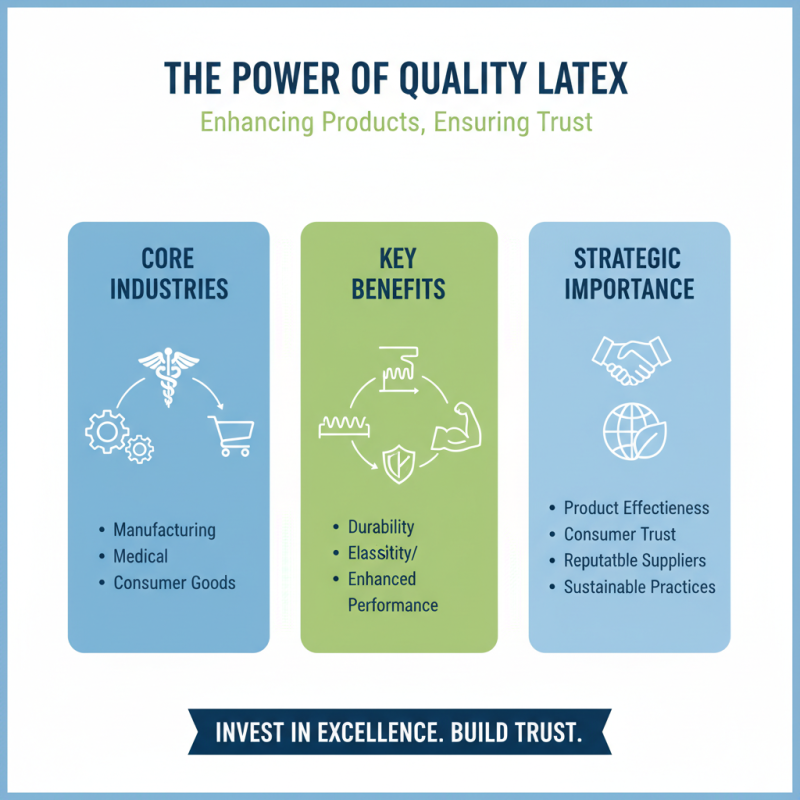
High-quality latex is a crucial component for businesses operating in industries such as manufacturing, medical, and consumer products. The quality of the latex used directly influences the durability, elasticity, and overall performance of the final products. In sectors where safety and reliability are paramount, such as in medical gloves and equipment, sourcing superior latex materials can significantly enhance product effectiveness and consumer trust. This underlines the importance of investing time and resources into establishing strong relationships with reputable latex suppliers who prioritize quality control and sustainable practices.
Moreover, high-quality latex can lead to increased customer satisfaction and brand loyalty. Consumers are increasingly aware of the materials used in the products they purchase, and they often favor products that are made from high-quality materials. By sourcing top-tier latex, businesses can differentiate themselves in a competitive market, ensuring that their products not only meet but exceed consumer expectations. This strategic focus on quality can foster long-term success and solidify a company’s reputation as an industry leader, reinforcing the idea that material choice is as vital as design and innovation in driving business growth.
Identifying Sources of Natural Rubber: Key Global Producers and Markets
When sourcing high-quality latex raw material for your business, understanding the global landscape of natural rubber production is crucial. The foremost producers of natural rubber, widely recognized for their rich environmental conditions and expertise in cultivation, include countries in Southeast Asia such as Thailand, Indonesia, and Malaysia. These nations benefit from ideal climatic factors, which contribute to sustainable tapping practices and high yield of latex.
Engaging with these markets facilitates access not only to high-quality raw materials but also to a network of established suppliers and logistics support.
Moreover, emerging markets such as Vietnam and India are becoming increasingly significant players in the natural rubber industry. These regions offer competitive pricing and growing infrastructures that support efficient production and exportation processes.
Businesses looking to diversify their sources of natural rubber should consider these markets as viable alternatives. Establishing relationships with local producers and understanding market dynamics can enhance supply chain reliability while ensuring that the quality of latex meets the demands of global standards.
Evaluating Latex Quality: Key Tests and Industry Standards
When sourcing high-quality latex raw materials, evaluating the quality through rigorous testing and adherence to industry standards is paramount. The ASTM D3574 test method, for instance, is widely recognized for assessing the physical properties of latex foam, including hardness, tensile strength, and elongation. Reports indicate that latex foam with a high tensile strength rating, exceeding 20-25 psi, not only offers better durability but also enhances the end product's comfort and longevity. Understanding these metrics can significantly impact manufacturing choices and ultimately consumer satisfaction.
Additionally, the presence of standard certifications, such as OEKO-TEX® or Global Organic Latex Standard (GOLS), can further confirm the integrity of the latex materials being sourced. According to the International Latex Conference, materials bearing these certifications have been shown to have lower levels of harmful substances, which is critical in maintaining product safety and compliance in many markets. Emphasizing the importance of these evaluations, businesses are encouraged to maintain a close relationship with suppliers who can provide quality assurance documentation and consistent testing results, ensuring that their raw materials not only meet but exceed industry expectations.
Cost Analysis: Balancing Quality and Price in Latex Procurement
When sourcing high-quality latex raw materials, businesses must strike a delicate balance between quality and cost. Latex is a versatile material used in various industries, and its quality can significantly impact the end product. Cost analysis becomes crucial, as high-quality latex often comes at a premium price. Therefore, it’s essential for businesses to assess their specific needs and budget constraints while ensuring that the latex they procure meets the necessary safety and performance standards.
To analyze costs effectively, businesses should begin by identifying the key attributes required for their latex products, such as elasticity, durability, and performance under varying conditions. Once these parameters are established, companies can compare suppliers not only on price but also on quality assurance processes, sourcing practices, and material specifications. Engaging in a thorough supplier evaluation can help in making informed decisions that support long-term sustainability, as investing in higher quality latex can lead to reduced waste and increased customer satisfaction over time. By integrating quality assessments into the procurement process, businesses can achieve an optimal balance between cost and quality, ultimately enhancing their competitive edge in the marketplace.
How to Source High Quality Latex Raw Material for Your Business - Cost Analysis: Balancing Quality and Price in Latex Procurement
| Supplier |
Quality Rating (1-10) |
Price per KG ($) |
Availability (KG) |
Delivery Time (Days) |
| Supplier A |
9 |
5.50 |
1000 |
7 |
| Supplier B |
8 |
5.00 |
1500 |
10 |
| Supplier C |
7 |
4.75 |
800 |
5 |
| Supplier D |
6 |
6.00 |
1200 |
12 |
| Supplier E |
5 |
4.25 |
600 |
15 |
Sustainable Sourcing Strategies for Eco-Friendly Latex Materials
Sustainable sourcing strategies are essential for businesses aiming to procure high-quality latex raw materials while minimizing their environmental impact. One effective approach is to establish partnerships with certified suppliers who adhere to sustainable practices. These suppliers often engage in responsible harvesting methods that protect the natural habitat of rubber trees and ensure the longevity of their resources. Furthermore, sourcing from suppliers that focus on eco-friendly cultivation can significantly reduce the carbon footprint associated with latex production.
Another innovative strategy is to incorporate circular economy principles into sourcing practices. This can involve using recycled latex or collaborating with suppliers who utilize waste materials from other industries to produce latex products. By doing so, businesses not only contribute to waste reduction but also help create a more sustainable supply chain. Additionally, adopting transparency in the sourcing process allows companies to track the environmental impact of their materials and make informed decisions that align with their sustainability goals.