What Are Synthetic Preservatives and Their Impact on Health?
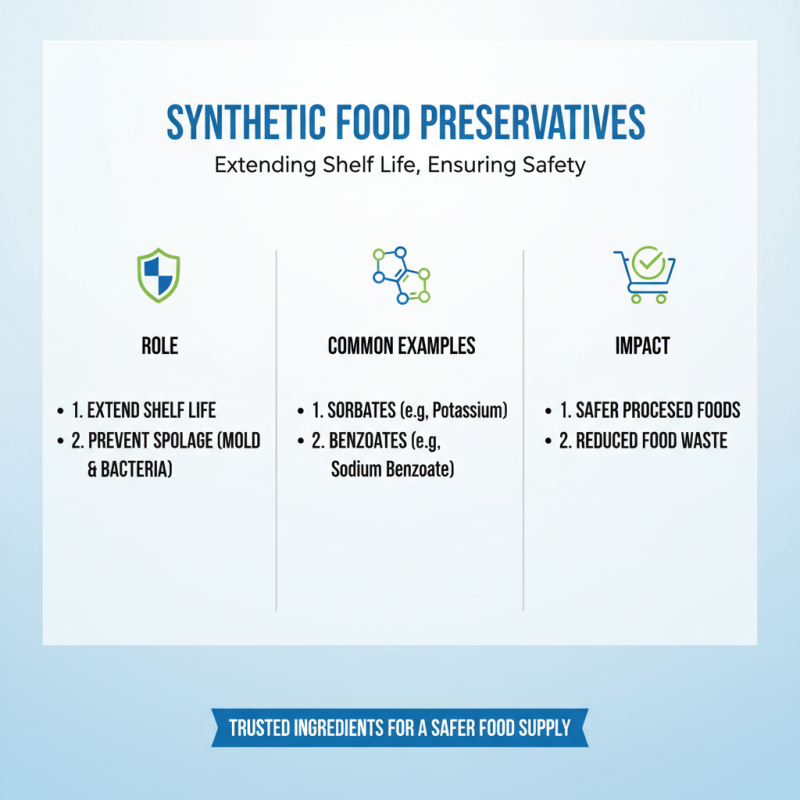
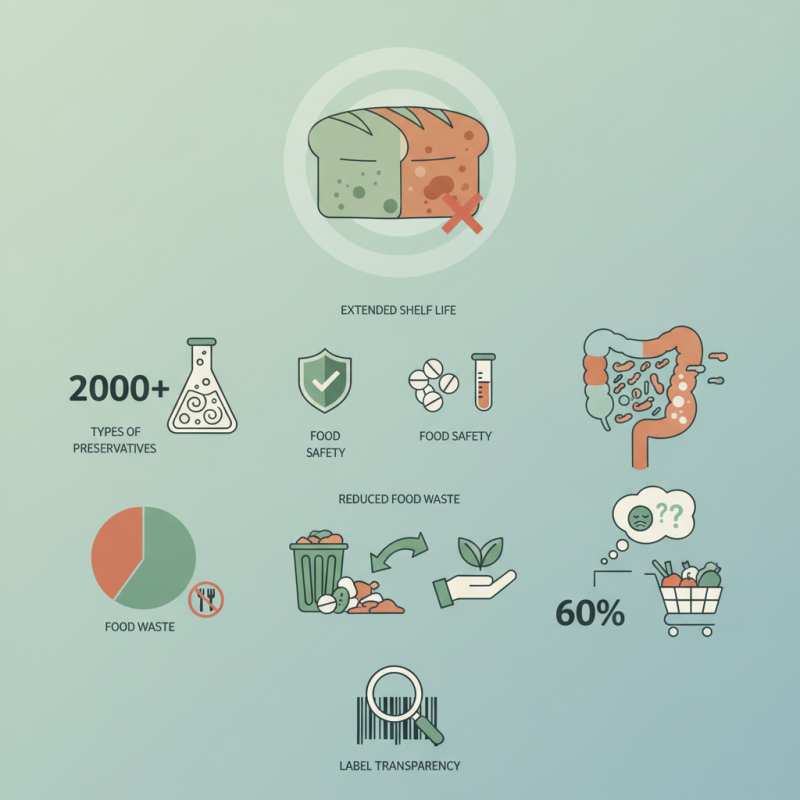
Synthetic preservatives play a critical role in modern food processing. These additives help extend shelf life and enhance food safety. According to the Food and Drug Administration (FDA), over 2,000 synthetic preservatives are used in various food products today. They prevent spoilage and reduce food waste, which is a significant issue. In the United States, nearly 40% of the food supply is wasted.
However, the impact of synthetic preservatives on health is still debated. Some studies suggest a link between these substances and health concerns, such as allergies and gastrointestinal issues. For instance, the Center for Science in the Public Interest reports increasing evidence that certain synthetic preservatives may disrupt gut health. This raises questions about long-term consumption.
Consumers are becoming more aware of what they eat. Many seek natural alternatives to synthetic preservatives. A survey by the International Food Information Council found that 60% of consumers prefer foods without synthetic additives. This shift indicates a growing demand for transparency in food labeling. It's a complex issue that deserves more attention.
Definition of Synthetic Preservatives and Their Common Types
Synthetic preservatives are artificial substances added to food to extend shelf life. They prevent spoilage caused by bacteria, fungi, and oxidation. Common types include sodium benzoate, BHA, and BHT.
These compounds can be effective but often raise health concerns.
Many people are unsure about their long-term effects. Some studies suggest potential links to allergies, hormonal disruptions, and cancer. The debate continues as science uncovers more about these additives.
It’s crucial to read labels and be aware of what you consume.
Tip: Choose fresh, whole foods whenever possible. They often contain fewer preservatives. Cooking at home allows you to control ingredients.
Balance is key; not all synthetic preservatives are harmful in small amounts. Still, it’s beneficial to remain informed about your dietary choices.
Mechanisms of Action: How Synthetic Preservatives Work in Food
Synthetic preservatives are substances added to food to prevent spoilage and extend shelf life. They work by inhibiting the growth of bacteria, molds, and yeasts. This action helps keep food safe for longer periods. For instance, studies show that food treated with preservatives can last up to 50% longer than untreated items.
Mechanisms of action vary among synthetic preservatives. Some, like sodium benzoate, disrupt microbial cell membranes, leading to cell death. Others, such as sorbic acid, inhibit enzyme activity, preventing microbial growth. These preservatives often target specific bacteria or molds that may compromise food safety. However, it's essential to consider potential health impacts. Research indicates that excessive consumption may lead to allergic reactions or intolerances in some individuals.
Tips: When buying food, check labels for synthetic preservatives. Limiting intake may reduce any adverse health effects. Try opting for fresh, minimally processed foods whenever possible. Avoiding synthetic additives could be a step towards healthier eating habits as reflected in the dietary guidelines that recommend consuming whole foods over processed ones.
What Are Synthetic Preservatives and Their Impact on Health?
| Preservative |
Common Uses |
Mechanism of Action |
Health Impacts |
| BHA (Butylated Hydroxyanisole) |
Preserves fats and oils |
Antioxidant that prevents oxidation |
Potential carcinogenic effects; hormone disruption |
| Sodium Benzoate |
Used in acidic foods like salad dressings |
Inhibits the growth of bacteria and fungi |
Allergic reactions; may form benzene in the presence of Vitamin C |
| Potassium Sorbate |
Preserves a variety of food products |
Prevents yeast and mold growth |
Generally recognized as safe; potential skin irritant |
| Propyl Gallate |
Used in fats and oils |
Antioxidant that protects food from spoilage |
Possible links to cancer; sensitive individuals may experience allergic reactions |
| Calcium Propionate |
Common in bread and baked goods |
Inhibits mold growth |
Generally safe; some gastrointestinal concerns |
Potential Health Effects: Benefits and Risks of Synthetic Preservatives
Synthetic preservatives play a significant role in the food industry. They help extend shelf life and prevent spoilage. Common examples include sorbates and benzoates. These substances inhibit the growth of mold and bacteria. As a result, many processed foods are safe to consume over longer periods.
However, the health implications of synthetic preservatives raise concerns. Some studies suggest links to allergic reactions and hyperactivity in children. These additives may disrupt gut health, affecting digestion and immunity. Not everyone experiences adverse effects, but vulnerability varies among individuals. More research is needed to fully understand these risks.
Many consumers are now opting for products without synthetic preservatives. They seek natural alternatives, like vinegar or salt, which can also preserve food. While such choices may seem safer, they come with their own challenges. Balancing food safety and health is essential. The conversation around synthetic preservatives is ongoing, and awareness is key.
Regulatory Oversight: How Synthetic Preservatives Are Evaluated
Synthetic preservatives play a significant role in food safety and longevity. Regulatory agencies assess these substances rigorously. Each preservative must undergo extensive testing for safety and efficacy. Reports from the Food and Drug Administration (FDA) indicate that synthetic preservatives are evaluated based on their potential health risks. These evaluations consider toxicity, long-term exposure, and the cumulative effects of multiple preservatives.
Despite robust regulatory processes, concerns remain. Some studies suggest possible links between synthetic preservatives and health issues. For example, certain preservatives may trigger allergic reactions in susceptible individuals. The European Food Safety Authority (EFSA) has flagged several additives for further research due to such reports. Awareness of these potential impacts is crucial.
**Tips:** Always check ingredient labels for synthetic preservatives. Opt for products with natural alternatives when possible. Stay informed about ongoing studies on food additives. Making conscious choices can help minimize exposure to unwanted chemicals.
Impact of Synthetic Preservatives on Health
This chart illustrates the percentage of health impacts associated with synthetic preservatives, including allergic reactions, potential toxicity, and long-term health effects.
Consumer Awareness: Understanding Labels and Making Informed Choices
Understanding food labels is crucial. Many products contain synthetic preservatives. These chemicals help extend shelf life but raise health concerns. You might find them in sauces, snacks, and baked goods. Reading ingredients lists is key to making safe choices.
Many consumers don’t realize the impact of these additives. They might lead to allergic reactions or digestive issues. Some studies suggest links to behavior problems, especially in children. It’s essential to be aware of what you’re consuming. Shorter ingredient lists often signal fewer artificial additives.
Look for natural options when possible. They may have a shorter shelf life but can be better for your health. Remember, awareness is a process. It requires ongoing effort to understand what’s in our food. Don’t hesitate to question unfamiliar terms on labels. Your choices matter.