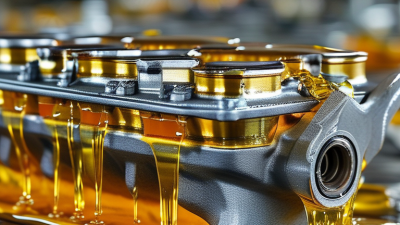
China Top Engine Oil Raw Materials Manufacturers are gaining attention as global lubricant producers seek stable supply, competitive pricing, and consistent technical performance. Their portfolios often include Group II and Group III base oils, polyalphaolefins, viscosity-index improvers, detergents, dispersants, antioxidants, and pour-point depressants. Each material affects engine cleanliness, cold starting, oxidation control, and wear protection.
Dr. Michael M. Khonsari, a respected tribology researcher, states, “Lubrication is not merely reducing friction; it controls wear, heat, and surface interaction.” This principle matters when evaluating Engine Oil Raw Materials from Chinese suppliers. A polished product sheet is not enough. Buyers should examine batch consistency, viscosity data, sulfur levels, volatility, additive compatibility, and documented laboratory testing. Small details matter.
A reliable manufacturer should provide traceable production records and clear technical data sheets. Independent testing adds confidence. Samples should also be tested under realistic temperature and load conditions. Not every low-cost material is a good bargain. Sometimes, it becomes an expensive correction later.
Factory audits can reveal practical differences. Look for sealed storage tanks, calibrated blending systems, clean filling areas, and visible quality-control procedures. Ask how suppliers handle specification changes. Ask for recent certificates, not old documents.
China’s supply network is broad, but quality is not uniform. That is the uncomfortable part. Strong manufacturers combine chemistry expertise with disciplined process control. They also admit limitations instead of promising universal performance. This guide reviews key producers through technical capability, product range, testing reliability, export experience, and customer support. The goal is simple: help buyers make careful decisions before Engine Oil Raw Materials enter a real engine.
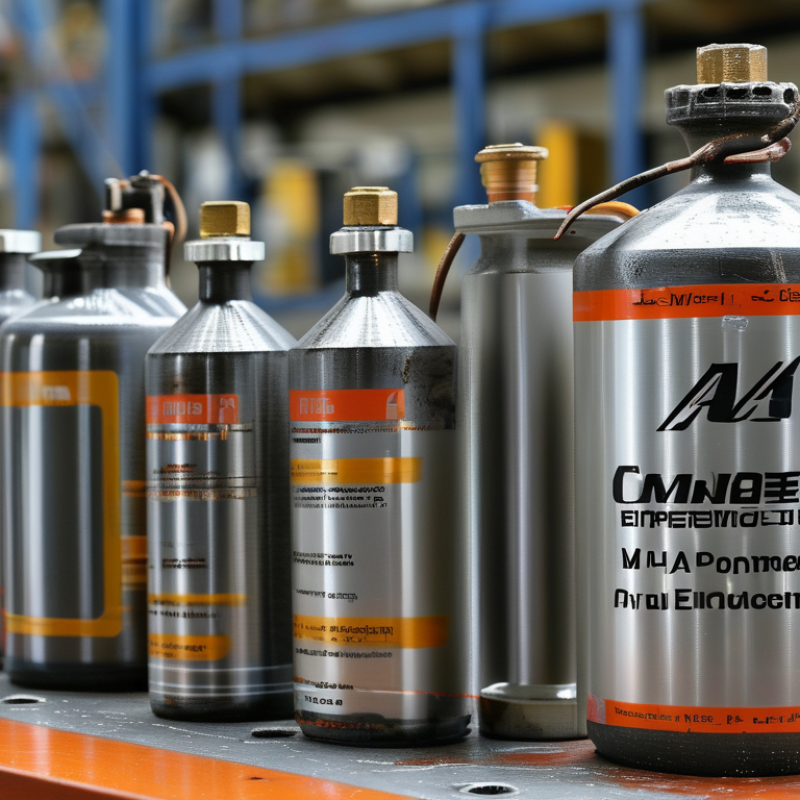
Engine oil begins with base oils, not additives. Mineral base oils suit cost-sensitive formulations and moderate service. Synthetic base oils offer stronger oxidation resistance and cleaner performance at temperature extremes. Their choice affects viscosity, volatility, and drain stability. Small differences matter.
Additives give the oil its working character. Detergents control deposits around hot pistons. Dispersants keep soot and sludge suspended. Anti-wear agents protect cam lobes and bearings under pressure. Antioxidants slow oil breakdown. Viscosity modifiers support stable flow across changing temperatures. Pour-point depressants improve cold starting, while defoamers reduce air entrapment. The balance is difficult. More additive does not always mean better protection.
Quality control should combine laboratory data with production experience. Common checks include kinematic viscosity, viscosity index, flash point, sulfur, water, volatility, total base number, and particle cleanliness. ASTM and ISO test methods improve consistency, while SAE viscosity grades help define operating suitability. API and ACEA performance categories may guide finished-oil development, but raw materials still require separate verification. In supplier evaluations, batch traceability, retained samples, compatibility testing, and accurate safety documentation are essential. A certificate alone is not proof. I have seen acceptable numbers fail after blending, especially when storage conditions were ignored. Temperature, moisture, and mixing order can quietly change results. Chinese manufacturers with controlled refining, additive handling, and transparent testing records are better positioned for dependable supply.
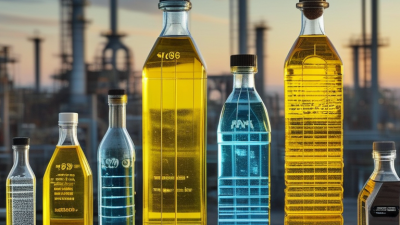
China's engine oil raw materials manufacturing landscape is broad, practical, and regionally varied. Producers supply base oils, viscosity modifiers, detergents, dispersants, and anti-wear components. Large industrial areas benefit from ports, chemical infrastructure, and skilled process engineers. Smaller factories often compete through flexible batch sizes and faster technical communication. From an experience-based sourcing view, capacity alone is not enough. A stable specification matters more.
Reliable manufacturers usually control incoming feedstock, blending temperature, filtration, and batch records. Testing may include viscosity, flash point, water content, oxidation resistance, and low-temperature performance. Buyers should request current technical data sheets, safety documents, sample reports, and traceable lot numbers. Factory audits can reveal practical details, such as clean transfer lines and calibrated instruments. These details are easy to overlook. They often affect consistency.
The market is changing with tighter fuel-efficiency demands, longer drain intervals, and lower-emission engine designs. Manufacturers are developing additive packages for passenger vehicles, heavy equipment, and industrial systems. However, not every supplier has equal formulation depth. Some public specifications look convincing, while pilot batches behave differently under heat or cold. That gap deserves attention. Independent verification, repeated sampling, and clear change-notification rules reduce purchasing risk. Even experienced teams can miss a raw-material interaction. Careful review remains necessary.
China’s engine oil raw materials manufacturers serve refiners, additive producers, and lubricant blenders worldwide. Their portfolios often include Group I, Group II, and Group III base oils. Some suppliers also produce synthetic base stocks for demanding applications.
Additive portfolios can include detergents, dispersants, antiwear agents, antioxidants, corrosion inhibitors, and viscosity improvers. Several manufacturers offer complete additive packages for passenger cars, commercial vehicles, motorcycles, and industrial engines. Their technical teams usually provide product data sheets, safety documents, and recommended treatment rates. These details help buyers compare performance before field testing.
Quality control remains a practical differentiator. Reliable producers test viscosity, flash point, sulfur content, and oxidation stability by batch. They also maintain traceable production records and sealed packaging systems. On-site audits can reveal storage conditions that brochures rarely describe. A clean laboratory matters. So does consistent communication.
Some manufacturers combine large refining capacity with flexible customization. Others focus on specialty additives or smaller export orders. Portfolio size alone can mislead buyers. A supplier may list many grades but lack deep application experience. Even experienced buyers should request current certificates, sample results, and compatibility data. Formulation trials sometimes expose weaknesses that standard documents miss. This is where careful technical review becomes necessary.
China’s top engine oil raw materials manufacturers rely on controlled refining, blending, and storage systems. Base oils may come from hydroprocessing, solvent refining, or synthetic production routes. Each route affects viscosity, oxidation resistance, and low-temperature performance.
Modern facilities use closed transfer lines, nitrogen protection, and automated dosing equipment. These controls reduce moisture, dust, and batch variation. Additive packages require accurate weighing. Small dosing errors can change detergent balance or foam behavior. It happens more often than suppliers admit.
Testing should begin with incoming raw materials and continue through final release. Laboratories commonly measure kinematic viscosity using ASTM D445. Flash point, pour point, water content, and elemental composition also need regular checks.
FTIR analysis can help identify contamination or unexpected chemical changes. A retained sample from every batch improves traceability. Still, testing is not flawless. Poor sampling can produce a reliable result from an unrepresentative container.
Certification requirements usually include ISO 9001 for quality management and ISO 14001 for environmental control. ISO 45001 may support workplace safety management. Export transactions can require additional chemical registration, labeling, and safety documentation in the destination market. Buyers should verify certificate numbers, issuing bodies, scope, and expiry dates. A certificate alone is not proof of consistent raw material quality. Factory audits, batch records, calibration logs, and recent test reports provide stronger evidence.
Choosing a reliable Chinese raw-materials manufacturer starts with evidence, not a glossy catalogue. The IEA Oil 2024 report forecasts global oil demand to reach 105.4 million barrels per day by 2030. That scale increases pressure on supply continuity and specification control. Ask for three recent COAs covering viscosity, viscosity index, sulfur, flash point, and water. Compare the figures with an independent laboratory result. One sample is not enough.
Audit the plant’s experience with your exact feedstock. Confirm reactor capacity, storage temperature records, retained samples, and lot-level traceability. For additives, request compatibility data in the intended base oil and documented treat-rate testing. A certificate helps, but it cannot replace technical judgement. ISO’s Survey 2023 recorded 1,265,216 ISO 9001 certificates across 189 economies. Certification signals a system, not guaranteed performance.
Check legal documents, SDS accuracy, export packaging, and change-notification procedures. Ask how the supplier handles an off-specification batch. The answer should include quarantine, root-cause analysis, and replacement rules in writing. Speak with two long-term customers, if confidentiality permits. I would distrust unusually low prices. They may reflect weaker testing or unstable feedstock, although price alone proves nothing. My own review would still include a small pilot order, because paperwork can look better than production reality.