Top 10 Liquid Thickeners in China for Global Buyers?
In the ever-evolving food industry, the demand for liquid thickeners is on the rise. These ingredients play a crucial role in enhancing texture and viscosity in various products. As global buyers seek high-quality options, understanding the top liquid thickeners in China becomes essential.
China is home to some of the most innovative thickening agents worldwide. The market offers a diverse range of formulations suitable for various applications. From food processing to pharmaceuticals, these liquid thickeners prove invaluable. However, not all products meet the required standards. Buyers must be cautious and conduct thorough research.
Choosing the right liquid thickener can be challenging. Fluctuating qualities and inconsistent supplier performance are common issues. Buyers need to weigh different factors before making a decision. The complexity of selecting a reliable product highlights the need for informed choices. A well-researched approach will lead to better outcomes.
Overview of Liquid Thickeners and Their Uses in Various Industries
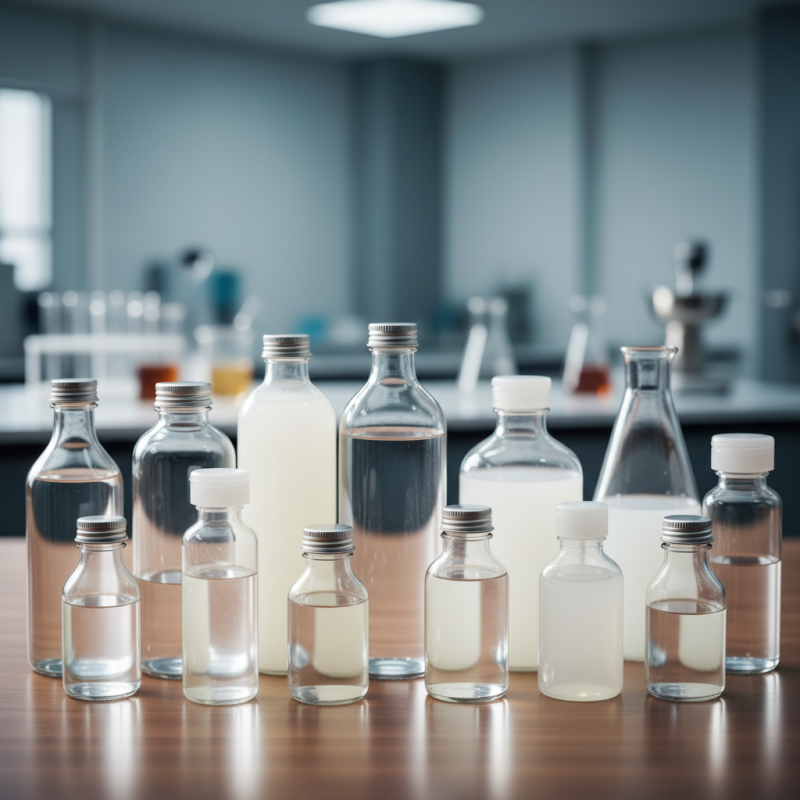
Liquid thickeners play a vital role in various industries, from food production to pharmaceuticals. In the food industry, they enhance texture and stability, influencing consumer preferences. In 2021, the global liquid thickener market was valued at approximately $3 billion, reflecting its significant impact. Regions like Asia-Pacific, particularly China, are witnessing increased demand due to expanding food and beverage sectors.
In pharmaceuticals, liquid thickeners ensure the correct viscosity of liquid medications. This is crucial for patient compliance, especially among pediatric and geriatric populations. Reports indicate that around 30% of older adults struggle with swallowing. Thickeners can improve their medication experience, highlighting their importance in healthcare. However, sourcing quality thickeners can be challenging. Variations in product specifications often lead to inconsistencies in performance.
Moreover, industrial applications, such as in coatings and adhesives, rely on thickeners to achieve desired rheological properties. Data shows that the construction sector is projected to grow substantially, driving the demand for effective thickening agents. While advancements are notable, the industry faces hurdles in balancing functionality and safety, urging manufacturers to innovate continuously.
Top 10 Liquid Thickeners in China for Global Buyers
| Thickener Type |
Primary Use |
Viscosity Range (mPa.s) |
Industry Application |
Temperature Stability (°C) |
| Xanthan Gum |
Food & Beverage |
100-5000 |
Dairy, Sauces |
-20 to 80 |
| Guar Gum |
Food Industry |
200-6000 |
Bakery, Frozen Foods |
-10 to 60 |
| Psyllium Husk |
Dietary Supplements |
50-3000 |
Health Products |
-10 to 70 |
| Locust Bean Gum |
Cosmetics |
20-1000 |
Skincare Products |
0 to 75 |
| Carboxymethyl Cellulose (CMC) |
Paper & Textile |
10-4000 |
Coating, Binding |
-20 to 70 |
| Sodium Alginate |
Food Industry |
30-2000 |
Jam, Jelly |
0 to 80 |
| Tara Gum |
Food and Beverage |
10-1500 |
Dressings, Sauces |
-10 to 80 |
| Agar-Agar |
Food Industry |
10-2200 |
Desserts, Jellies |
-10 to 90 |
| Quinoa Starch |
Food and Beverage |
100-5000 |
Puddings, Sauces |
-20 to 85 |
Criteria for Selecting the Best Liquid Thickeners for Different Applications
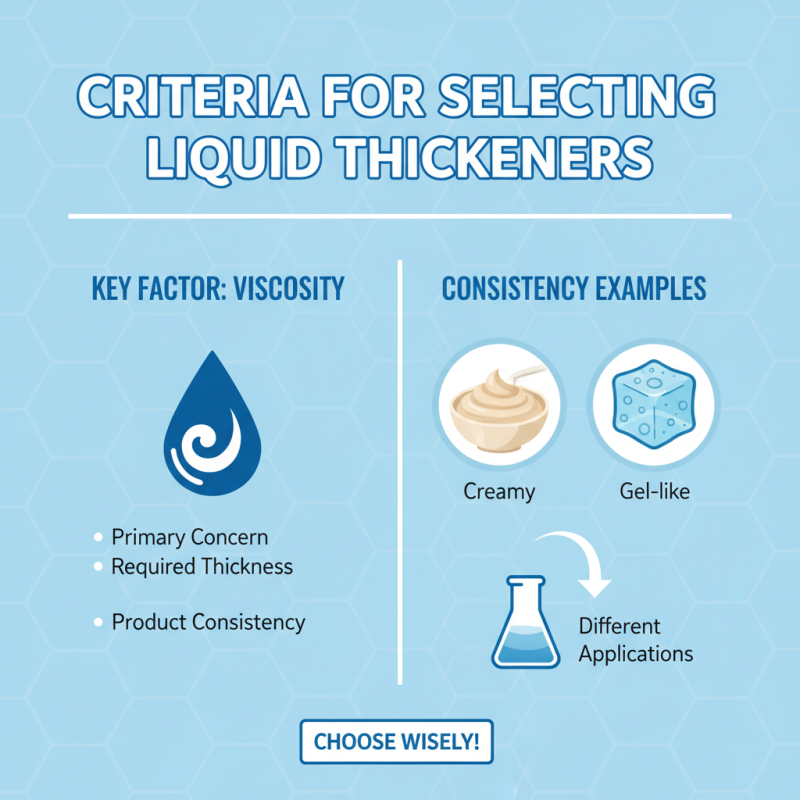
When selecting liquid thickeners for various applications, consider several key factors. Viscosity is a primary concern. Understanding the required thickness for your product can guide you in choosing the right thickener. For instance, some applications may need a creamy consistency, while others may need a more gel-like texture.
Additionally, solubility is crucial. Some thickeners dissolve more easily in cold liquids, while others perform better in hot conditions. This factor can significantly impact your production process and final product quality. Experimentation might be necessary to find the ideal match for your needs.
Another important aspect is the thickener's stability over time. Some thickeners may break down under certain conditions, affecting your product's shelf life. Regular assessments might help identify any inconsistencies. Finally, consider the source of the thickener, as natural options may appeal to health-conscious consumers. Balancing these criteria can lead to more effective and reliable results in your formulations.
Top 10 Liquid Thickeners Used in China: Features and Benefits
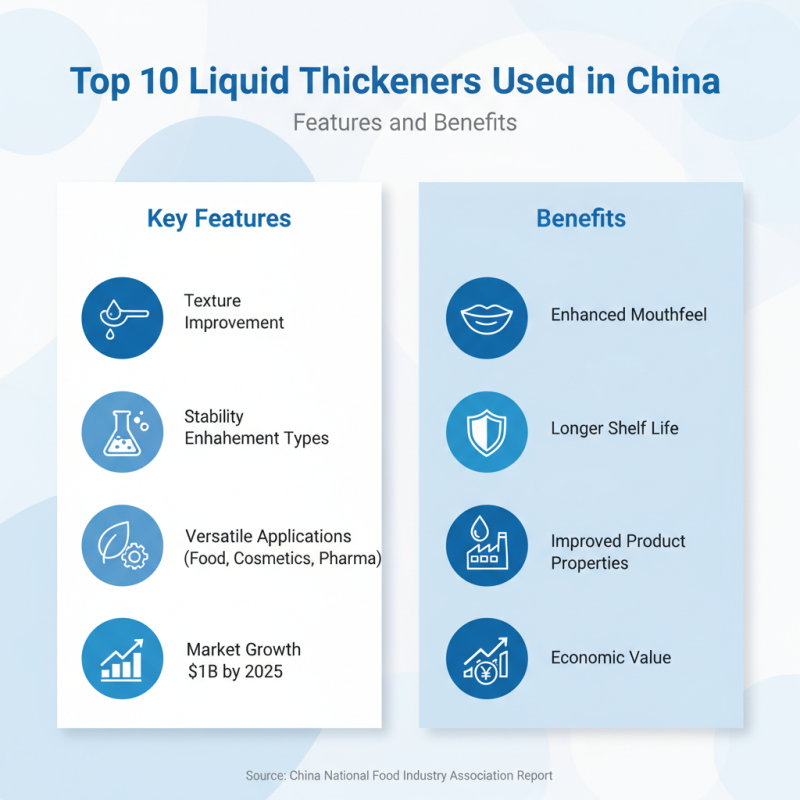
Liquid thickeners play a crucial role in various industries across China. They improve texture and stability in food, cosmetics, and pharmaceutical products. According to a report by the China National Food Industry Association, the liquid thickener market is witnessing steady growth, projected to reach over $1 billion by 2025. This growth reflects the increasing demand for high-quality, texture-enhancing solutions in food processing.
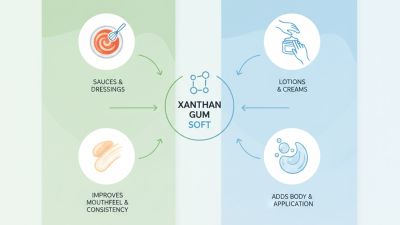
Modified starches and xanthan gum are among the most widely used thickeners. Modified starches are favored for their versatility and cost-effectiveness. Xanthan gum, derived from fermentation, is known for its strong thickening properties, even at low concentrations. The dual use of thickeners in clean label products is notable. Consumers seek natural ingredients, making xanthan a preferred choice.
Despite advances, challenges persist. Some thickeners vary in performance under different conditions, affecting product formulation. Inconsistent quality can pose risks to manufacturers. Continuous testing and quality assurance are essential. As the market evolves, companies must adapt to changing consumer preferences and regulations, ensuring product reliability and safety.
Comparative Analysis of Domestic vs. International Liquid Thickeners
When analyzing liquid thickeners in China, a clear divide emerges between domestic and international products. Domestic thickeners often emphasize cost-effectiveness. They are produced at a lower price point, which makes them accessible to many local manufacturers. However, this cost-saving can sometimes lead to inconsistencies in quality and performance. Buyers might find that while these products meet basic needs, they might not always fulfill specialized requirements.
On the international front, thickeners typically offer a broader range of applications. These products often come with stringent quality controls and innovative formulations. Yet, they may carry a higher price tag. Some global brands invest heavily in research and development. This investment yields advanced thickening agents with superior stability and clarity. That said, not all international products guarantee consistency, leading to frustrations among users. Reliable sourcing remains a concern, as buyers must navigate the complexities of import regulations. As such, the choice between domestic and international can often depend on specific needs and strategic priorities.
Market Trends and Future Prospects for Liquid Thickeners in China
The liquid thickener market in China is evolving rapidly. Increased demand from the food and beverage sector drives innovation. Chinese consumers seek products with optimized textures. This has led manufacturers to develop more effective thickening agents, suitable for various applications.
Market trends indicate a shift toward natural ingredients. Consumers are more aware of health and wellness. This drives the preference for thickeners derived from plant sources. As a result, product formulation must reflect these preferences. However, the industry is still grappling with sustainability challenges. Balancing performance and eco-friendliness remains a concern.
Future prospects appear bright, yet competition is fierce. Developing countries also enter the market. Innovation in formulations is crucial for retaining leadership. Additionally, regulatory changes can affect product availability. Focusing on R&D will help companies adapt to shifting landscapes. The pursuit of quality and sustainability will be vital moving forward.
Top 10 Liquid Thickeners in China - Market Trends
This bar chart represents the market share percentage of the top 10 liquid thickeners in China. Xanthan Gum leads the market, followed by Guar Gum and Locust Bean Gum. The data reflects current trends and market dynamics, providing insights for global buyers interested in the liquid thickener market.