2026 Top Uses and Benefits of Xanthan Gum Bulk in Food Industry?
Xanthan Gum Bulk has become a vital ingredient in the food industry. Its unique properties enhance texture and stability in various products. Used in everything from sauces to baked goods, xanthan gum serves multiple purposes.
One key benefit is its thickening ability. It improves the mouthfeel of beverages and soups. Additionally, xanthan gum acts as a stabilizer, preventing separation in dressings and sauces. Many chefs appreciate its ability to create gluten-free products.
However, not all aspects of xanthan gum use are flawless. Some consumers may experience digestive issues when consuming it in large quantities. Thus, moderation is essential. Despite these concerns, the versatility of Xanthan Gum Bulk remains unmatched, making it a staple in modern food production.
Benefits of Xanthan Gum as a Thickening Agent in Food Products
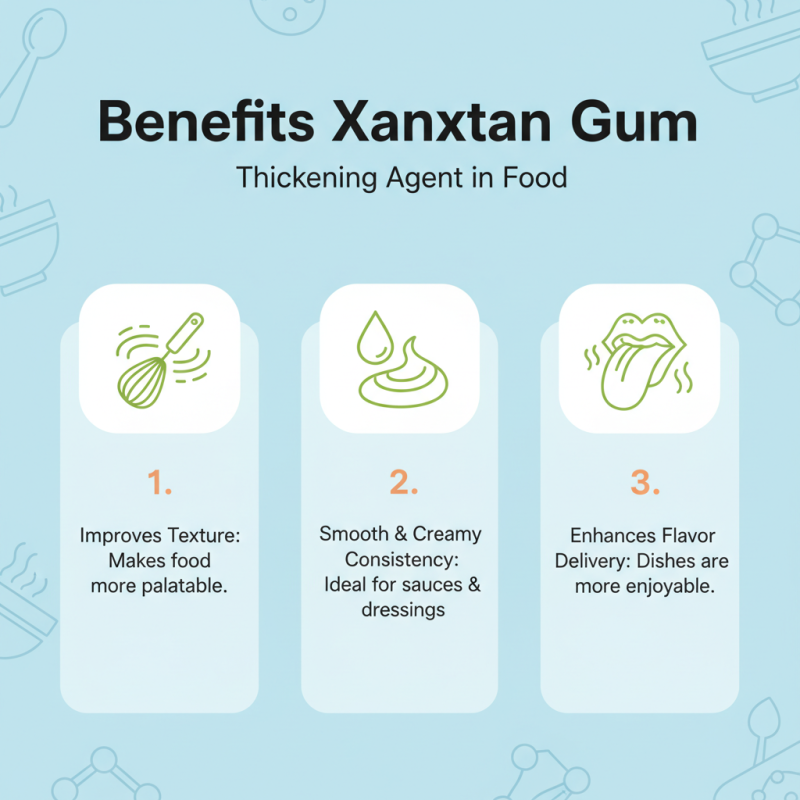
Xanthan gum serves as an important thickening agent in the food industry. It helps improve the texture of various products, making them more palatable. When added to sauces or dressings, xanthan gum creates a smooth and creamy consistency. This enhances flavor delivery, making dishes more enjoyable.
In gluten-free baking, xanthan gum plays a critical role. It mimics the elasticity of gluten, allowing dough to rise better. However, its use requires careful measurement. Too much xanthan gum can lead to a gummy texture. Eating too much could also be problematic for some individuals, leading to digestive discomfort.
Beyond just being a thickener, xanthan gum stabilizes emulsions. It prevents the separation of ingredients in salad dressings and sauces. This stabilizing effect can also contribute to the overall appearance of food products. Yet, finding the balance in formulation is essential. It sometimes takes multiple attempts to achieve the best results.
Xanthan Gum's Role in Enhancing Food Texture and Stability
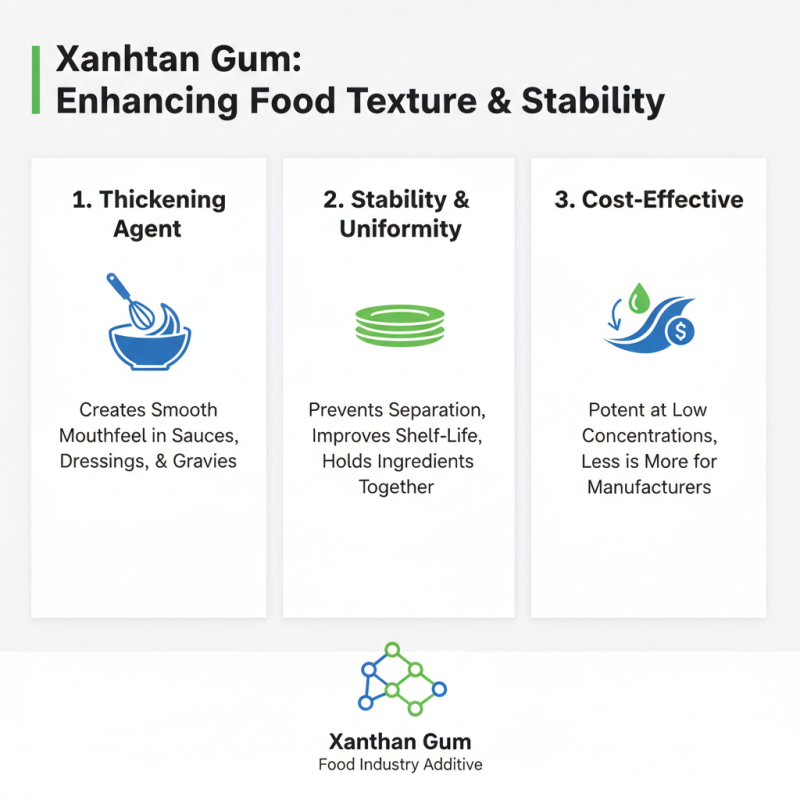
Xanthan gum has become a popular additive in the food industry. Its unique properties enhance food texture and stability. As a thickening agent, it helps create a smooth mouthfeel in sauces and dressings. This gum is effective at low concentrations, making it cost-efficient for manufacturers.
In gluten-free products, xanthan gum plays a crucial role. It mimics the elasticity of gluten, which is essential for bread's structure. Many consumers may not realize that without it, gluten-free foods can be dry or crumbly. The challenge is finding the right balance. Too much xanthan gum can lead to an undesirable slimy texture.
Moreover, xanthan gum improves the shelf life of food. It helps prevent separation in beverages and stabilizes emulsions. However, overusing it can result in an unnatural texture. Striking the right balance requires careful experimentation. Chefs and food scientists must continually refine their recipes to achieve optimal results.
Impact of Xanthan Gum on Shelf Life and Preservation of Food
Xanthan gum plays a crucial role in extending the shelf life of food products. This natural thickening agent helps maintain texture and consistency. According to a report by the
Food and Agriculture Organization, xanthan gum can reduce microbial spoilage in sauces and dressings. This leads to less food waste, a critical issue in the industry today.
The unique properties of xanthan gum allow it to stabilize emulsions, keeping ingredients from separating. Research from the Journal of Food Science indicates that foods with xanthan gum can last up to
50% longer. This preservation technique is particularly beneficial for gluten-free products, which tend to have shorter shelf lives. However, while xanthan gum enhances preservation, some consumers remain
skeptical about its health effects.
Furthermore, relying on xanthan gum raises questions. Is the long-term use of additives safe? Studies suggest more research is necessary. The debate over natural versus synthetic agents continues. Thus, while xanthan gum contributes to food longevity,
greater transparency is needed in its application. Balancing product effectiveness with consumer concerns should remain a priority in the food industry.
Market Trends: Growth of Xanthan Gum Usage in the Food Industry
The food industry is witnessing a remarkable rise in the use of xanthan gum. This popular thickening agent enhances texture and stability in various products. As manufacturers seek clean labels, xanthan gum becomes increasingly attractive. It is derived from natural sources and caters to consumer demand for healthier options.
Market trends indicate a shift towards plant-based and gluten-free products. Xanthan gum plays a vital role in these innovations. Its ability to improve viscosity and emulsification makes it essential for sauces, dressings, and baked goods. However, there are challenges to consider. Overuse can lead to an undesirable texture, making products too thick or slimy.
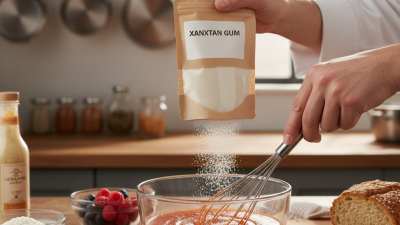
Tips: Start with small amounts when formulating recipes. Adjust gradually to achieve the desired consistency. Be cautious, as xanthan gum can cause separation if not mixed correctly. Experimenting is key.
The growth trajectory of xanthan gum in the food industry is remarkable, but it requires careful integration. Understanding how to balance its use with other ingredients is crucial. Innovation is driving demand, but the journey to perfect recipes can be filled with trial and error.
2026 Growth of Xanthan Gum Usage in Food Industry
Nutritional Aspects: Xanthan Gum's Dietary Fiber Contribution in Foods
Xanthan gum has become a popular ingredient in the food industry. It serves many purposes, but its contribution to dietary fiber is noteworthy. This thickening agent is derived from a natural process involving bacteria.
When added to food, xanthan gum boosts fiber content, which is beneficial for digestive health.
Dietary fiber is crucial for maintaining a healthy gut. It aids in digestion and can prevent certain health issues. Many people struggle to meet their daily fiber needs. Every bit helps, and xanthan gum can easily enhance fiber levels in various products. It's blended into sauces, dressings, and gluten-free baked goods. Even small amounts can make a difference.
However, not all fiber sources are equal. Xanthan gum may cause digestive discomfort in some individuals. If consumed excessively, it could lead to bloating or gas. Balancing its intake is essential. Also, relying solely on one ingredient for fiber may create gaps in nutrition. A varied diet is needed for optimal health. Understanding the pros and cons of xanthan gum can guide better dietary choices.