2026 Top Uses for Xanthan Gum Bulk in Food and Industry?
Xanthan Gum Bulk is gaining significant traction in both food production and various industries. With a projected market growth rate of 5.5% from 2022 to 2028, its applications are expanding rapidly. Food manufacturers utilize Xanthan Gum Bulk primarily as a thickener, stabilizer, and emulsifier. In bakery products, it enhances texture and moisture retention, which is critical for consumer satisfaction.
In recent years, the demand for gluten-free and plant-based foods has surged. Xanthan Gum Bulk plays a vital role in these sectors by providing the necessary structure and consistency. Reportedly, Americans spent over $4.5 billion on gluten-free products alone in 2021, highlighting the importance of such ingredients. Despite its advantages, there are still concerns about sourcing and sustainability. This urges the industry to reflect on the environmental impacts of Xanthan Gum production.
Moreover, the adoption in the cosmetic and pharmaceutical industries cannot be ignored. Xanthan Gum Bulk serves as a thickening agent in lotions and creams, improving user experience. However, the balance between effectiveness and environmental sustainability presents challenges for manufacturers. An honest evaluation of these factors is essential for future progress.
Overview of Xanthan Gum and Its Properties
Xanthan gum is a polysaccharide widely used in various industries, particularly food. It is produced by fermenting sugar with the bacterium Xanthomonas campestris. This unique fermentation process gives xanthan its remarkable properties. It can stabilize, thicken, and emulsify, making it a favored additive in many products.
According to industry reports, the global xanthan gum market size was valued at approximately $850 million in 2022. The food industry accounts for nearly 65% of this figure. Xanthan gum enhances texture and consistency, which is crucial in gluten-free products. Its effectiveness at low concentrations makes it cost-efficient. This attribute can be particularly beneficial for small manufacturers who strive for quality while managing costs.
However, the reliability of xanthan gum can also be a concern. Variations in production processes may lead to inconsistency in quality. This poses challenges for manufacturers who rely heavily on stable ingredients. Additionally, while xanthan gum serves a functional role, it may also provoke digestive discomfort in some individuals. Balancing its benefits and potential drawbacks requires careful consideration in formulation processes.
Key Applications of Xanthan Gum in Food Products
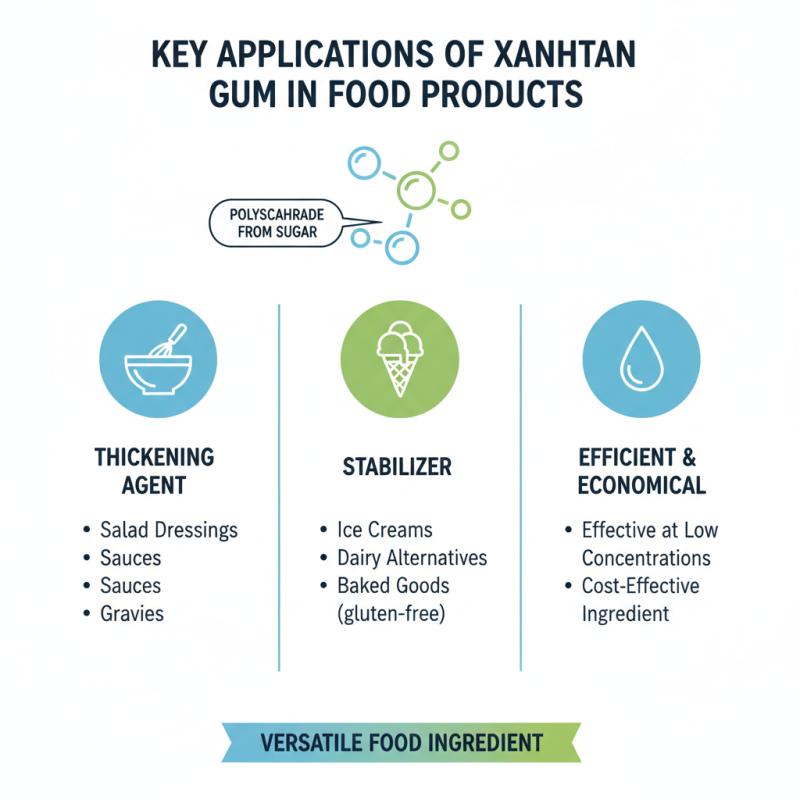
Xanthan gum is a versatile ingredient widely used in food products. This polysaccharide is derived from sugar and provides thickening and stabilizing properties. It's common in salad dressings, sauces, and ice creams. Its effectiveness at low concentrations makes it economical.
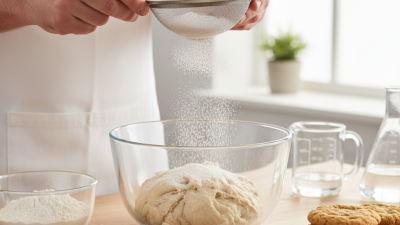
In addition to thickening, xanthan gum also improves texture. It creates a smooth mouthfeel in beverages and helps maintain creaminess in dairy alternatives. It is crucial for gluten-free baking, providing necessary structure to breads and pastries. The gum binds water effectively, preventing ingredients from separating.
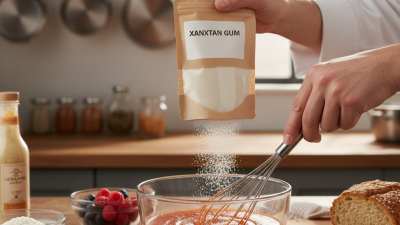
Tips: When using xanthan gum, start with a small amount. Too much can create a slimy texture. Consider blending it with dry ingredients before adding liquids. Experiment with quantities to find the right balance. A little tweaking can make a significant difference in your final product. Always reflect on the results and adjust accordingly.
Industrial Uses of Xanthan Gum in Manufacturing Processes
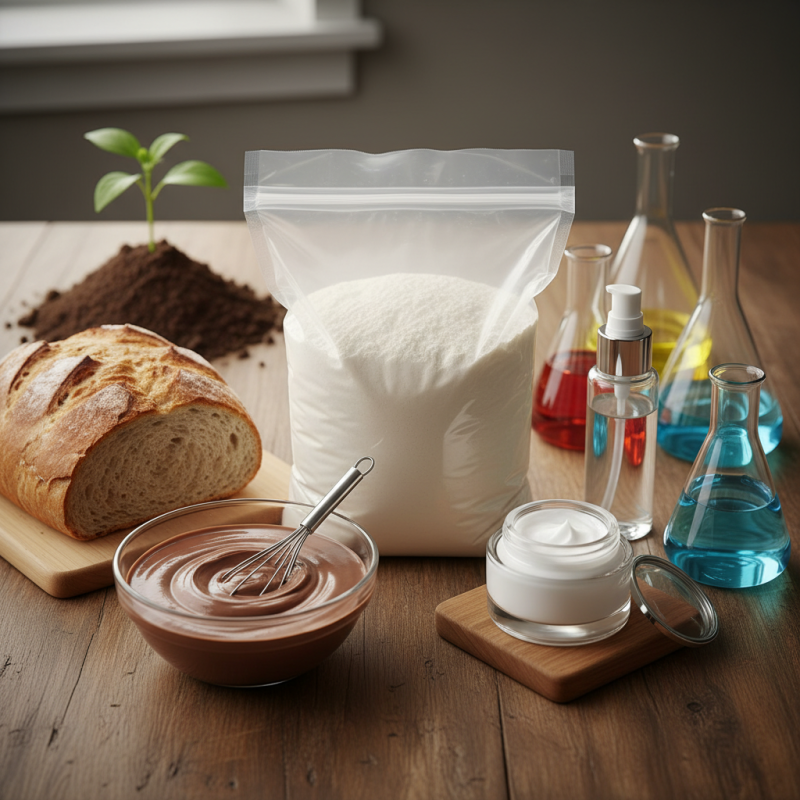
Xanthan gum is becoming essential in various manufacturing processes. Its unique properties make it a versatile additive. From food products to paints, xanthan gum helps improve texture and stability. In the food industry, it acts as a thickener. This is crucial, as up to 50% of sauces and dressings use xanthan gum for consistency and mouthfeel.
In industrial applications, xanthan gum is valued for its ability to stabilize suspensions. According to a 2022 industry report, the global xanthan gum market is projected to grow by 5% annually. This growth comes from the demand in pharmaceuticals and cosmetics as well. As these sectors advance, they increasingly require effective emulsifiers. The challenge is ensuring the right consistency across products.
Shipping and storage also pose difficulties. Xanthan gum is sensitive to moisture and temperature. This can affect its performance. Future studies need to address how to maintain its properties during these processes. For all its uses, xanthan gum presents opportunities and challenges in the manufacturing landscape.
Comparative Analysis of Xanthan Gum and Other Food Thickeners
Xanthan gum is a popular food thickener with unique properties. It is a polysaccharide produced by bacteria. This thickener works well in various temperature ranges and pH levels. In contrast, other thickeners can be less versatile. For instance, cornstarch requires heat to thicken, while gelatin needs refrigeration. Xanthan gum's stability makes it easy to use in many applications.
The texture of food products is essential. Xanthan gum offers a silky mouthfeel that many culinary experts appreciate. While it can provide a pleasant viscosity, it may not be suitable for all recipes. Some people find the texture too slimy. Adjusting usage can help balance this. Other thickeners like guar gum or agar might offer different textures. Choosing the right thickener can lead to better outcomes.
Cost effectiveness is another consideration. Xanthan gum is often more expensive than alternatives. However, its effectiveness in small amounts can justify the price. Thickeners like modified starch are cheaper but may compromise food quality. Striking a balance between cost and quality often requires careful evaluation. Each thickener has its strengths and weaknesses, making the choice quite complex.
Comparative Analysis of Xanthan Gum and Other Food Thickeners
Future Trends in Xanthan Gum Application for 2026 and Beyond
In 2026, xanthan gum is expected to see significant trends in food and industry. Its ability to stabilize and thicken makes it invaluable. Used in gluten-free alternatives, it binds ingredients that typically separate. A report by Research and Markets projects a compound annual growth rate (CAGR) of 5.9% for xanthan gum applications in food.
The food industry is embracing clean labels. Consumers demand transparency in ingredients. Xanthan gum provides a natural alternative to synthetic additives. With a global market size projected to exceed $1 billion by 2027, companies are racing to innovate.
Tip: Experiment with xanthan gum in home recipes to achieve desired textures. A little goes a long way.
In addition, industries such as cosmetics are integrating xanthan gum. Its emulsifying properties enhance product stability. However, some formulations may still separate. Understanding the right ratios and techniques is key.
Tip: Always test small batches when incorporating xanthan gum. Observing how it interacts with other ingredients can save time and resources.