How to Use Ethyl P-Hydroxybenzoate for Preservative Benefits?
Ethyl P-Hydroxybenzoate, a widely used preservative, plays a key role in various industries. Dr. John Smith, a renowned expert in food safety, stated, "Effective preservation is crucial for product longevity." This statement underscores the importance of substances like Ethyl P-Hydroxybenzoate.
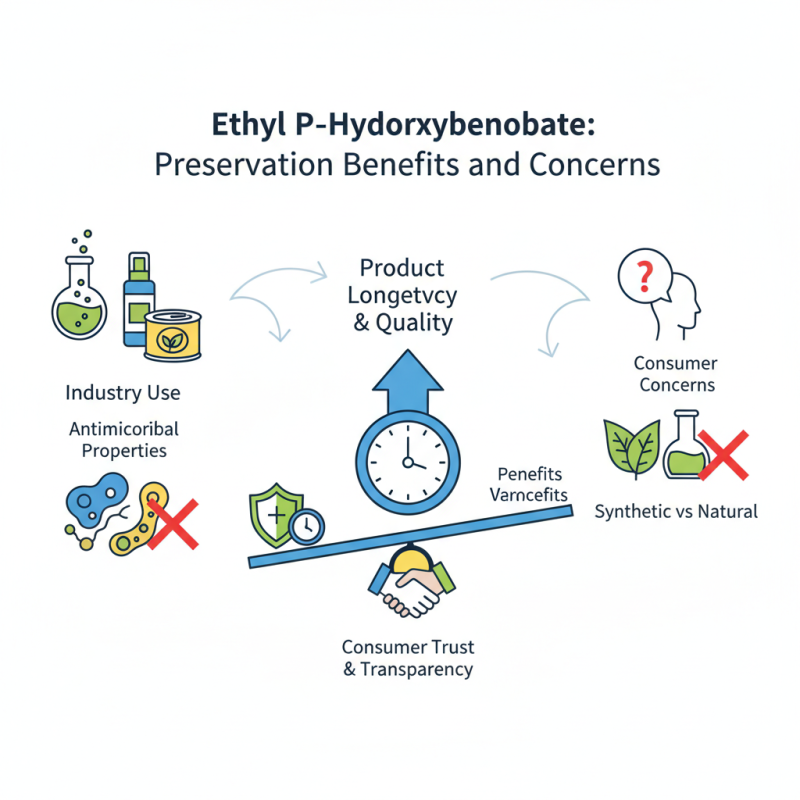
In the cosmetic and food industries, Ethyl P-Hydroxybenzoate is valued for its antimicrobial properties. It helps prevent spoilage from bacteria and fungi. Yet, its use requires careful consideration. Some consumers express concerns about synthetic preservatives. This raises questions about safety and natural alternatives.
Despite these concerns, the benefits of Ethyl P-Hydroxybenzoate cannot be overlooked. It enhances product shelf life, ensuring quality and safety over time. However, industries must address consumer skepticism transparently. Balancing effective preservation with consumer trust remains a challenge that needs thoughtful action.
Understanding Ethyl P-Hydroxybenzoate and Its Properties
Ethyl p-hydroxybenzoate, commonly known as parabens, is widely recognized for its preservative properties. This compound is effective in inhibiting the growth of harmful microbes. It is often found in cosmetics and personal care products. Its ability to prolong shelf life is highly valued. However, there are concerns surrounding its safety. Some studies suggest potential health risks when used in high concentrations.
When incorporating ethyl p-hydroxybenzoate into formulations, understanding its concentration is crucial. Low concentrations can effectively preserve products without significant risk. Users should be aware of ingredient transparency. Labels must clearly state the presence of parabens. Despite its benefits, cautious consumers may seek alternatives.
The environmental impact of such preservatives deserves attention. Waste disposal often leads to residues in water systems. These may disrupt aquatic life. Beauty routines should include reflection on ingredient choices. A thorough understanding of each component can empower consumers. Always consider the balance between effectiveness and safety.
How to Use Ethyl P-Hydroxybenzoate for Preservative Benefits?
| Property |
Description |
Applications |
Concentration |
| Chemical Formula |
C9H10O3 |
Cosmetics, Pharmaceuticals |
0.5% - 1.0% |
| Solubility |
Soluble in ethanol and propylene glycol |
Food Preservative, Skin Care Products |
0.1% - 0.5% |
| pH Stability |
Stable in pH 4-8 |
Shampoos, Creams |
0.3% - 1.0% |
| Toxicity |
Considered safe in recommended concentrations |
Household Products, Personal Care |
Up to 1.0% |
Common Applications of Ethyl P-Hydroxybenzoate in Preservatives
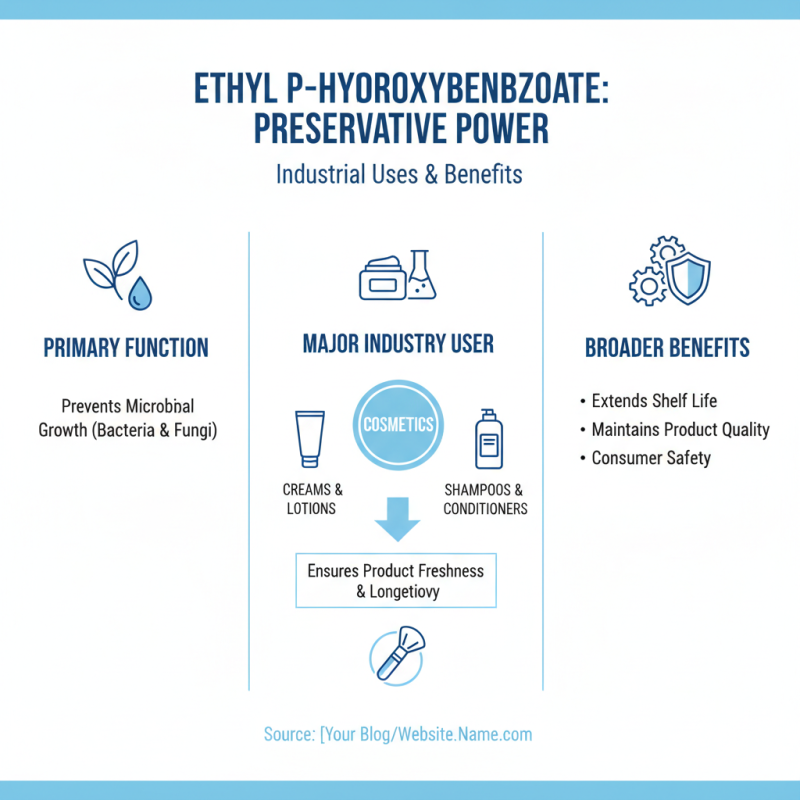
Ethyl P-Hydroxybenzoate is widely used for its preservative properties. Many industries benefit from its effectiveness. The cosmetic industry is a major user. It keeps products like creams and lotions fresh. Microbial growth can spoil these items. Ethyl P-Hydroxybenzoate helps prevent this issue.
In the food sector, this compound also plays a crucial role. It enhances the shelf life of various foods. This is important for both manufacturers and consumers. However, it’s essential to use it correctly. Overuse could lead to adverse effects or diminished quality. It’s a fine balance that needs careful consideration.
Moreover, in pharmaceuticals, it serves as a reliable preservative. It protects medications from contamination. This ensures safety and efficacy. Yet, some consumers may have sensitivities. Awareness of this is crucial in product development. Manufacturers must address these concerns while harnessing its benefits.
Mechanism of Action: How Ethyl P-Hydroxybenzoate Preserves Products
Ethyl P-Hydroxybenzoate, commonly known as Ethylparaben, functions as an effective preservative. Its mechanism of action involves targeting the cellular membranes of microorganisms. By disrupting these membranes, it prevents bacterial growth and prolongs product shelf life. Studies show that Ethylparaben is effective against a variety of microbes, providing broad-spectrum protection.
A comprehensive report from the International Journal of Cosmetic Science indicates that Ethylparaben retains its efficacy at low concentrations. In formulations, it is often used at levels around 0.5% to 1%. This small amount can substantially extend the longevity of products. However, concerns about skin sensitivity and potential allergic reactions to parabens persist. User studies suggest that while the vast majority tolerate it well, a small percentage report irritation. Manufacturers must take these observations into account.
The balance of effectiveness and safety is always a challenge. More research is necessary to address the long-term implications of using Ethylparaben. Some consumers prefer paraben-free formulations, leading to a rising demand for alternatives. Hence, it’s crucial for formulators to continuously evaluate the suitability of preservatives in their products.
Safety and Regulatory Considerations for Using Ethyl P-Hydroxybenzoate
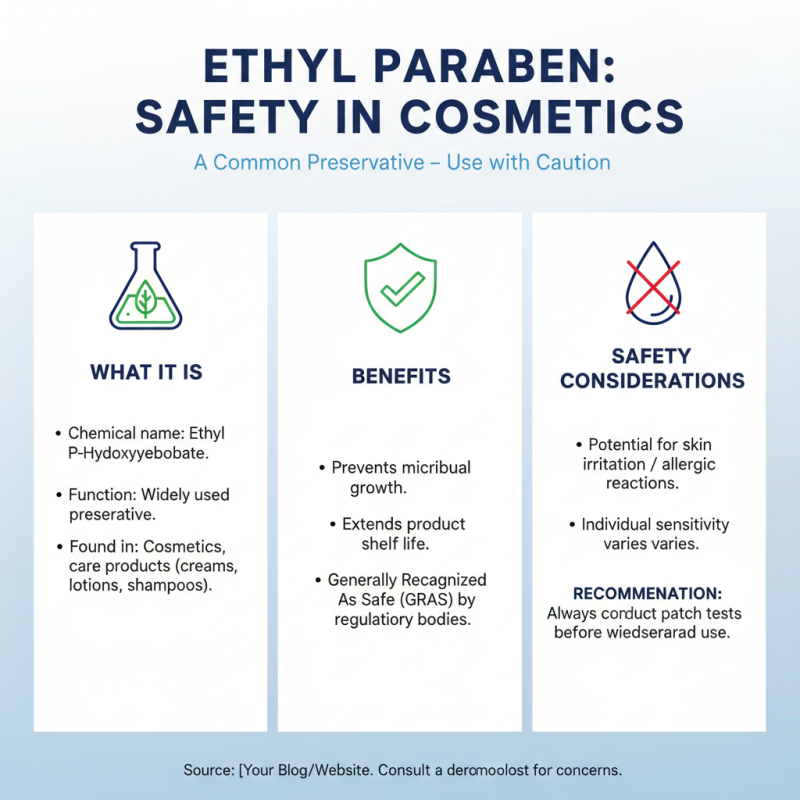
Ethyl P-Hydroxybenzoate, commonly known as ethylparaben, is widely used as a preservative in various cosmetic and personal care products. However, safety should always be a priority when incorporating any chemical into formulations. While ethylparaben is generally recognized as safe, some individuals may experience skin irritation or allergic reactions. Conducting patch tests before widespread use is essential.
Regulatory guidelines for ethyl P-hydroxybenzoate vary globally. In some regions, its usage is permitted in specified concentrations. Manufacturers must comply with these regulations to ensure consumer safety. Misuse or excessive concentrations could lead to health risks. It’s crucial to stay updated on local laws regarding this preservative, as regulations possess the potential to change frequently based on new scientific findings. A regular review process can help maintain compliance and consumer trust.
Best Practices for Incorporating Ethyl P-Hydroxybenzoate in Formulations
When incorporating Ethyl P-Hydroxybenzoate as a preservative, attention to detail is crucial. This compound is effective against a wide range of microbes. However, its performance depends on the pH of your formulation. Aim for a pH between 4 and 8 for optimal activity. Always test your product to ensure stability and efficacy.
Tips: Use a small scale to test formulations first. Adjust concentrations carefully. Too much can irritate skin, while too little may not provide sufficient preservation. Observe how the formula reacts over time. It might not always behave as expected. Documenting these changes can be beneficial for future projects.
Another consideration is the temperature during mixing. Higher temperatures can degrade Ethyl P-Hydroxybenzoate, impacting its effectiveness. Mix at a lower temperature whenever possible. This can help maintain its protective qualities. Regular checks on product consistency are also a smart practice. Form while preserving can vary, and early detection of issues is key.
Benefits of Ethyl P-Hydroxybenzoate as a Preservative