How to Use Liquid Thickener for Perfect Consistency in Recipes?
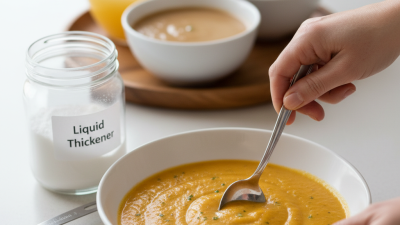
When it comes to achieving the perfect consistency in recipes, the use of Liquid Thickener can make a significant difference. Renowned food scientist Dr. Emily L. Hayes emphasizes, "A small amount of Liquid Thickener can transform the texture of a dish." Her insight highlights the importance of this ingredient in the culinary world.
Liquid Thickeners are versatile and can enhance not only sauces but also soups and desserts. Understanding how to utilize them effectively is crucial. For instance, adding too much may lead to a gummy texture, while too little might leave the dish runny. It's an art that requires practice and intuition.
One common challenge cooks face is mastering the right amount. You might experience some trial and error. Some recipes may not turn out perfectly on the first attempt. Reflection on these outcomes helps refine your technique. Balancing flavors and textures with Liquid Thickener is essential to elevate your culinary creations.

Understanding Liquid Thickeners and Their Types
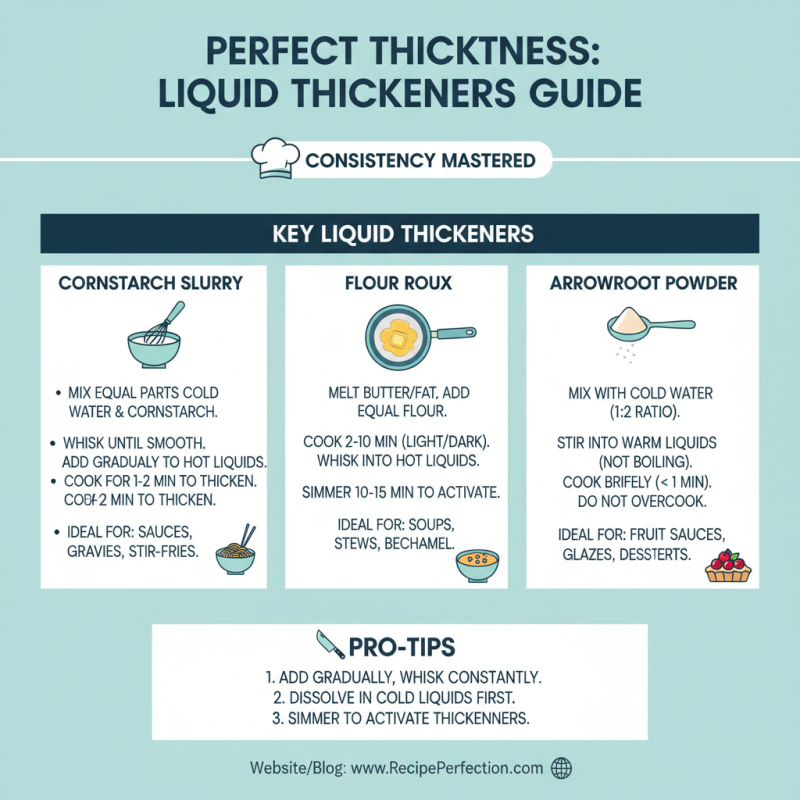
Liquid thickeners are essential in many recipes. They add body and texture to soups, sauces, and gravies. Understanding the different types of thickeners can help you choose the right one for your dish. Common types include cornstarch, flour, and arrowroot. Each provides a unique consistency.
Cornstarch is popular for its quick thickening ability. Simply mix it with cold water before adding it to a hot liquid. This method prevents clumping. Flour, on the other hand, requires cooking to eliminate raw taste. It’s often used in sauces. Arrowroot offers a glossy finish and remains clear when cooked. However, it can be tricky, as overcooking it leads to a thin consistency.
Experimenting with these thickeners may lead to unexpected results. Sometimes, recipes don’t turn out as planned. The sauce might be too thick or too runny. Adjusting the amount used is crucial. It takes practice to find the perfect balance. Don't be afraid to tweak the quantities. Cooking is all about learning and growing. Trial and error can lead to delicious discoveries.
How to Use Liquid Thickener for Perfect Consistency in Recipes
| Type of Liquid Thickener |
Best Used For |
Recommended Usage |
Special Notes |
| Cornstarch |
Soups, Sauces, Puddings |
1 tablespoon mixed with 2 tablespoons cold water per cup of liquid |
Tends to break down when boiled too long |
| Arrowroot |
Clear Sauces, Glazes |
1 tablespoon per cup of liquid, added at the end |
Good for acidic liquids |
| Tapioca Starch |
Fruit Pies, Sauces |
1 tablespoon per cup of liquid, mix with sugar |
Creates a glossy finish |
| Guar Gum |
Salad Dressings, Smoothies |
1/4 teaspoon per cup of liquid |
Vegetarian option |
| Xanthan Gum |
Soups, Gluten-Free Baking |
1/4 to 1/2 teaspoon per cup of liquid |
Works well with hot or cold dishes |
Choosing the Right Liquid Thickener for Your Recipe
Choosing the right liquid thickener can transform your culinary creations. There are various types of thickeners available, each serving different purposes. For example, a report from the Food Science Institute mentions that starch-based thickeners are often preferred for sauces due to their ability to create a glossy finish. These thickeners can also enhance flavor retention, which is crucial in many recipes.
Another popular option is gum-based thickeners. They are versatile and can be used in both sweet and savory dishes. According to industry research, gum thickeners can improve mouthfeel and stability. However, managing their usage can be tricky. Overuse may lead to undesirable textures, making a dish too gummy or slimy. Experimentation is key; finding the right ratio often involves trial and error.
Consider the recipe's intended texture and flavor. Liquid thickeners affect both dramatically. Some thickeners might not dissolve well in cold liquids, causing clumps. This risk highlights the importance of understanding the properties of each thickener. Balancing thickness with the desired outcome can be challenging, yet rewarding when done correctly. Knowing when to adjust your approach can enhance your cooking significantly.
How to Properly Measure and Incorporate Liquid Thickener
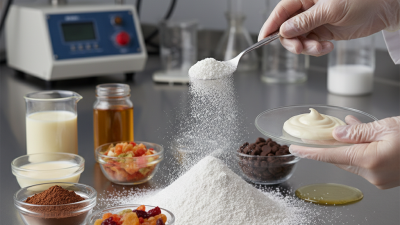
Liquid thickeners can enhance the texture of soups, sauces, and desserts. However, proper measurement is crucial for achieving the desired consistency. According to the Food Science Journal, careless use can lead to overly viscous mixtures. Accurate measurements will prevent this issue.
When measuring liquid thickener, consider using a scale for precision. A common mistake is eyeballing the amount. Even slight variations can alter the final product significantly. For example, 1 tablespoon of thickener can vary widely in density. This can lead to a recipe that is too thick or too thin.
Tips: Always check the manufacturer's guidelines for recommended amounts. Start with a smaller quantity, such as 1 teaspoon, and gradually increase as needed.
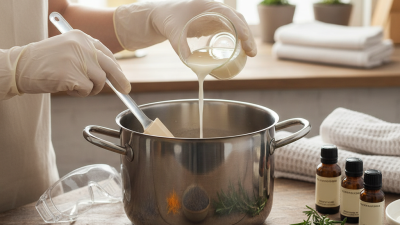
Mix the thickener with a small amount of cold liquid before adding it to the main mixture. This helps avoid clumping. Using a whisk can aid in proper incorporation.
Tips: If clumps do form, blend your mixture until smooth. Not every attempt will yield the perfect result. Learn from your recipes, refine your technique, and adjust accordingly. Consistency takes practice.
Tips for Achieving Desired Consistency with Liquid Thickeners
Achieving the perfect consistency in your recipes can be a challenge, especially when using liquid thickeners. Understanding how to use these thickeners effectively is crucial. They can change the texture of soups, sauces, and gravies. The right amount can enhance flavors, while too much can create an undesirable outcome.
To begin, measure your thickener carefully. Start with a small amount. You can always add more if needed. Whisking it into your mixture gradually helps prevent clumps. Be patient while stirring. Sometimes, the desired consistency takes time to develop. If you’re not satisfied initially, evaluate how much you’ve added. It’s easy to lose track.
Consider the base of your dish. Different bases react differently to thickeners. A rich broth might need less compared to a watery sauce. Testing a small portion first can save you from larger mistakes. Don’t be afraid to reflect on your results. If the mixture is too thick, adjust it with some liquid. The process might feel tricky, but practice makes perfect. Every kitchen experiment teaches you something new.
Common Mistakes to Avoid When Using Liquid Thickeners
When using liquid thickeners, precision is key. One common mistake is adding too much thickener too quickly. This can lead to a lumpy texture instead of a smooth consistency. It’s better to start with a small amount. Mix it well, then assess the thickness. Gradually add more, if needed. Patience is essential here.
Another mistake is neglecting the temperature of your dish. Some thickeners require heat to activate properly. If a thickener is added to a cold mixture, it may not work as intended. Always warm your sauce or soup before incorporating the thickener. This ensures even distribution and prevents clumping. Keep a close eye on the texture during this process.
Finally, don’t forget to stir continuously. Stopping to check can lead to uneven thickening. Try to use a whisk or a fork for the best results. Observing these details can significantly improve the outcome. Remember, practice makes perfect. Don't hesitate to learn from your missteps.