How to Use Liquid Xanthan Gum in Cooking and Baking?
In the world of cooking and baking, Liquid Xanthan Gum plays a crucial role as a thickening agent. Chef Emily Johnson, an expert in gluten-free baking, once stated, "Liquid Xanthan Gum transforms textures and enhances flavor, making it essential in modern kitchens." This powerful ingredient can bind ingredients together, creating a cohesive mixture that elevates both taste and consistency.
When you explore Liquid Xanthan Gum, it's important to grasp its unique properties. Unlike traditional thickeners, this ingredient offers flexibility. It works well in both cold and hot dishes, making it a versatile choice. However, it requires careful measurement. A little can go a long way. Overuse can lead to an unpleasant, slimy texture. Finding the right balance can be a challenge.
Using Liquid Xanthan Gum invites creativity but also demands attention. Aspiring cooks may find themselves adjusting their methods as they learn its true potential. Experimentation can be rewarding, yet mistakes are part of the process. Each attempt teaches invaluable lessons in texture and flavor, shaping the culinary journey. Embracing these imperfections leads to better cooking and baking experiences.

How Liquid Xanthan Gum Enhances Texture in Gluten-Free Baking
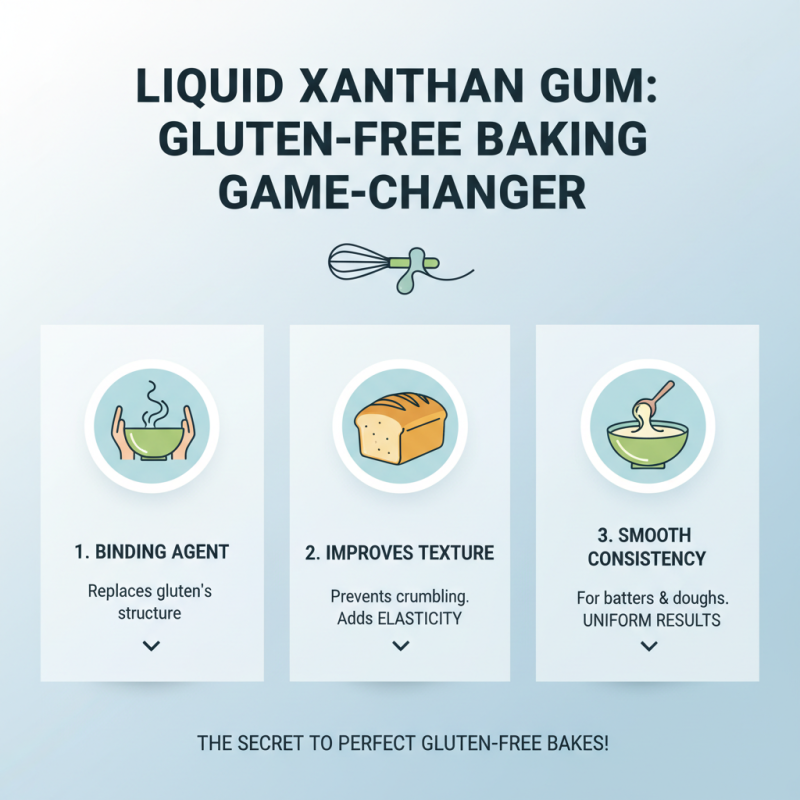
Liquid xanthan gum has become a game-changer in gluten-free baking. It acts as a binding agent, improving the texture of baked goods. When added to batters and doughs, it creates a smooth consistency. This is especially important for gluten-free recipes, which can often turn out crumbly.
Incorporating liquid xanthan gum can enhance moisture retention. It holds onto the liquid, resulting in a more enjoyable bite. Muffins and cakes stay fluffy, while cookies become chewier. However, using too much can lead to an odd, slimy texture. It's essential to find the right balance.
Experimentation is key. Different recipes may require varying amounts of xanthan gum. It might take several trials to master its use. Some baked items may not rise as expected. Adjusting the liquid content and xanthan gum ratio might be necessary. The journey to perfect gluten-free baking can be challenging, but the results can be worth the effort.
The Role of Liquid Xanthan Gum as a Thickening Agent in Sauces
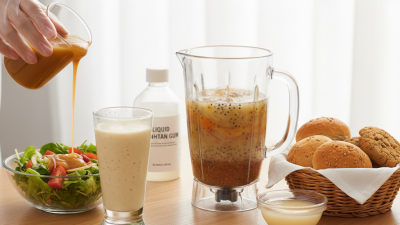
Liquid xanthan gum is a versatile thickening agent used in various sauces. It enhances texture, providing a smooth consistency that is appealing. When blended with liquids, it creates a velvety sauce that clings to your ingredients beautifully. This property makes it a favorite for dressings and gravies.
To use liquid xanthan gum effectively, start with a small amount. Too much can lead to an undesirable thickness. Gradually add it while whisking to avoid clumping. It's crucial to achieve the right balance. Sometimes, it may thicken unexpectedly. Adjusting the quantity can be a trial and error process.
While liquid xanthan gum can elevate your sauces, it may not suit every dish. Certain cuisines might call for different thickeners. Experiment with it in small batches. Observe how it interacts with various flavors. This exploration can lead to delightful surprises.
Adjusting Ratios: How Much Liquid Xanthan Gum to Use in Recipes
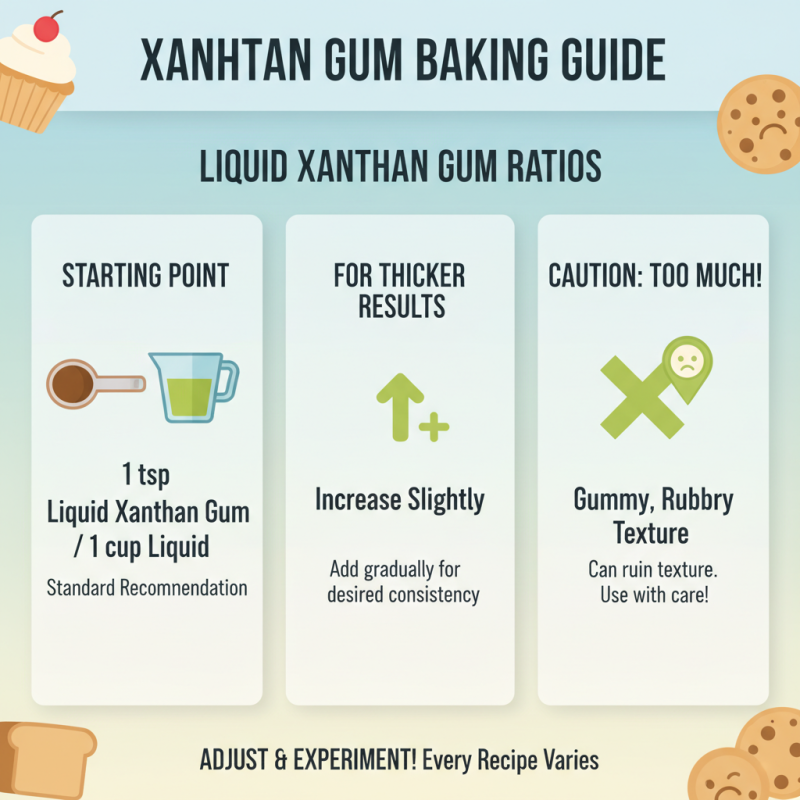
Adjusting ratios when using liquid xanthan gum in baking can be tricky. It’s important to know the right amount to use. The recommended ratio is usually 1 teaspoon of xanthan gum per cup of liquid. However, this can vary based on the recipe. For thicker results, increase the amount slightly. But too much can create a gummy texture, which may not be desirable.
In a study by the Food Technology journal, it was observed that many home bakers often underestimate xanthan gum's potency. In certain gluten-free recipes, for instance, using just 0.5 to 1.5% of the total flour weight can yield optimal results. This indicates the balance needed for achieving the desired consistency. Yet, it’s crucial to experiment. Some recipes may require less, while others need more.
Precision is essential, yet flexibility is key. Baking with liquid xanthan gum is not an exact science. Each recipe behaves differently, and personal preference plays a role. Tracking adjustments in a cooking journal could help in identifying the ideal ratios for various dishes. This method aids in refining your baking skills over time.
Comparative Analysis of Liquid Xanthan Gum vs. Powdered Xanthan Gum
Liquid xanthan gum and powdered xanthan gum are both useful in cooking and baking. They serve similar purposes but differ in their application and effectiveness. Liquid xanthan gum disperses easily in liquids. It can create a smoother texture, especially in dressings and sauces. Powdered xanthan gum may clump when added directly to wet ingredients. This can lead to an uneven consistency in your recipes.
When using liquid xanthan gum, the typical ratio is 1:3 compared to powdered xanthan gum. For instance, if a recipe calls for one teaspoon of powdered xanthan gum, use about a third of that amount in liquid form. Be cautious; too much can lead to a gummy texture. This is one area where many home cooks face challenges.
Tips: For dressings, always combine liquid xanthan gum with oil first. This method reduces clumps and ensures an emulsion. In baking, try incorporating xanthan gum into dry ingredients before adding wet ones. This reduces the risk of lumps. Experimentation is key; don’t hesitate to adjust ratios based on your personal preference.
Comparison of Liquid Xanthan Gum vs. Powdered Xanthan Gum in Cooking and Baking
Common Mistakes When Using Liquid Xanthan Gum and How to Avoid Them
When using liquid xanthan gum, many mistakes can occur. One common error is adding too much. This thickening agent is potent. Just a little goes a long way. According to a study by the Food Science Institute, excessive xanthan can lead to a gummy texture. It can ruin your dish. A teaspoon may suffice for soups or sauces.
Another frequent pitfall is not dispersing xanthan gum properly. If added too quickly, clumps form. The mixture won't thicken evenly. To prevent this, blend xanthan gum with other dry ingredients first. Then, add it to wet ingredients gradually. Reports indicate that this method enhances the gum's effectiveness. A smooth texture is then achievable.
Lastly, many overlook the importance of temperature. Xanthan gum performs best at certain heat levels. High heat can alter its thickening properties. Using a thermometer can help. Precision matters in cooking. Reflecting on these mistakes can lead to better results. Pay attention to detail. Your dishes will improve.
How to Use Liquid Xanthan Gum in Cooking and Baking? - Common Mistakes When Using Liquid Xanthan Gum and How to Avoid Them
| Mistake |
Description |
Solution |
| Using Too Much Xanthan Gum |
Excessive xanthan gum can create a gummy texture in food. |
Start with a small amount and gradually increase until the desired texture is reached. |
| Failing to Hydrate Properly |
Not allowing xanthan gum to fully hydrate can lead to clumping. |
Mix xanthan gum with a liquid before adding to dry ingredients. |
| Not Mixing Thoroughly |
Insufficient mixing can result in uneven distribution. |
Use a blender or whisk to ensure even incorporation. |
| Ignoring Temperature Effects |
Xanthan gum behaves differently at varying temperatures. |
Consider the temperature of all components in the recipe. |
| Not Adjusting Other Ingredients |
Using xanthan gum may require adjustments to liquids or other binders. |
Test and adjust liquid ratios to achieve the right consistency. |