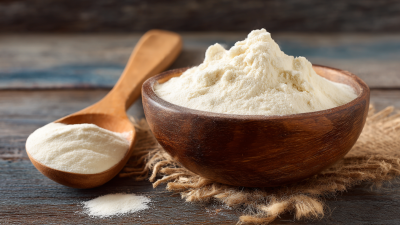
What is Xanthan Gum Bulk and How Can It Benefit You?
Xanthan Gum Bulk offers exciting opportunities for various industries. This natural thickening agent has gained popularity due to its unique properties. With its ability to stabilize and emulsify, Xanthan Gum Bulk is a vital ingredient in food production, cosmetics, and pharmaceuticals.
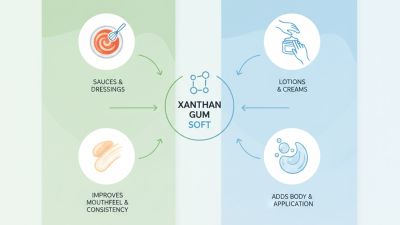
Using Xanthan Gum Bulk can enhance the texture and consistency of products. In the food industry, it helps improve the mouthfeel of sauces and dressings. Moreover, its versatility allows manufacturers to create gluten-free options. However, some may question its impact on health. While generally safe, consuming large amounts may cause digestive discomfort.
Understanding how to use Xanthan Gum Bulk wisely can lead to better product formulation. It is important to assess correct usage rates for optimal results. Misuse can lead to unwanted textures or flavors. Experimentation is key to unlocking its full potential. Balancing its benefits with cautious application can help produce high-quality products.
What is Xanthan Gum and Its Origin?
Xanthan gum is a natural polysaccharide. It is produced through fermentation by the bacterium Xanthomonas campestris. This versatile ingredient has been used in food for decades. Initially discovered in the 1960s, it gained popularity as a thickening agent. Many industries now rely on its unique properties.
The primary function of xanthan gum is to create viscosity. It prevents ingredients from separating in various products. This is vital in salad dressings and sauces. In gluten-free baking, it mimics the texture found in traditional recipes. It helps retain moisture, ensuring baked goods remain soft.
However, not all experiences with xanthan gum are positive. Some people report digestive issues when consuming it in large quantities. Moderation is essential. Understanding its uses and limitations is crucial for anyone looking to incorporate xanthan gum into their diet. While it offers numerous benefits, it’s important to stay mindful of individual reactions.
What is Xanthan Gum Bulk and How Can It Benefit You? - What is Xanthan Gum and Its Origin?
| Dimension |
Description |
| Origin |
Xanthan gum is derived from the fermentation of sugar by the bacterium Xanthomonas campestris. |
| Texture |
It has a gel-like texture that provides a stable, thickening agent for various food products. |
| Uses |
Commonly used in salad dressings, sauces, and gluten-free baking as a thickener and stabilizer. |
| Health Benefits |
May assist with digestion and promote a healthy gut environment. |
| Bulk Availability |
Available in bulk for food manufacturers and home cooks, making it a cost-effective option. |
The Production Process of Xanthan Gum Bulk
Xanthan gum bulk is a thickening agent produced by fermentation. The process begins with a specific strain of bacteria that ferments carbohydrates. This fermentation creates a viscous substance, which is then purified.
The purification involves removing any impurities to obtain a clean product.
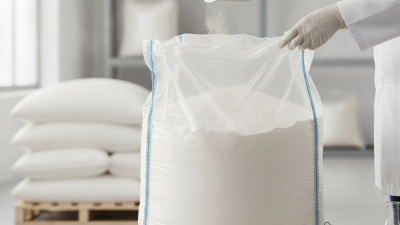
After purification, the xanthan gum is dried and milled into a fine powder. This powder can be stored in bulk and used in various applications. Its ability to stabilize emulsions and suspend particles makes it valuable in food production and industrial uses.
Despite its benefits, some consumers may experience digestive issues with xanthan gum. It is essential to monitor individual reactions when incorporating it into your diet. Careful attention to how your body responds can lead to better choices in food composition.
Understanding the production process is key to appreciating its applications and potential drawbacks.
Key Nutritional Benefits of Xanthan Gum
Xanthan gum is a popular thickening agent. It offers unique nutritional benefits that many people might overlook. Rich in dietary fiber, xanthan gum can aid digestion. According to the National Institutes of Health, fiber helps maintain bowel health and control blood sugar levels. It's a great choice for those looking to improve gut health.
Incorporating xanthan gum into your diet can help with weight management. It can provide a feeling of fullness, reducing overall calorie intake. A report by the Journal of Nutritional Science stated that fiber can help regulate appetite. This could be crucial for anyone trying to maintain a healthy lifestyle.
Tip: Consider starting with small amounts of xanthan gum, as excessive intake may cause digestive discomfort. Experiment with recipes to find the right balance for your body. When combined with liquids, xanthan gum forms a gel-like consistency. This texture enhancement can improve smoothies and sauces significantly. However, it’s essential to monitor how your body reacts.
Common Uses of Xanthan Gum in Various Industries
Xanthan gum is a versatile substance widely used across different industries. In the food sector, it acts as a thickening agent and stabilizer. You can find it in salad dressings, sauces, and gluten-free baked goods. It provides the creamy texture many people enjoy. When used in cooking, it helps maintain the consistency of products, particularly those that contain little or no fat.
Beyond food, xanthan gum has significant applications in cosmetics and personal care. It is commonly found in lotions, creams, and shampoos. The compound helps maintain the product’s viscosity and ensures even distribution. This is vital for user experience. However, not all formulations require xanthan gum, and its use can sometimes lead to challenges in texture. Careful consideration is necessary for each application.
In pharmaceuticals, xanthan gum serves as a stabilizing agent in suspensions. This keeps active ingredients evenly dispersed, enhancing effectiveness. It allows for the creation of formulations that are easy to consume. Still, manufacturers need to consider the possibility of allergic reactions. Testing and product analysis are essential to ensure safety and effectiveness, making informed choices crucial.
Xanthan Gum Usage Across Industries
Xanthan gum is widely used across various industries due to its unique thickening and stabilizing properties. The following chart illustrates the percentage of xanthan gum usage in different sectors.
How to Incorporate Xanthan Gum into Your Diet and Recipes
Xanthan gum is a versatile ingredient often used in gluten-free cooking. It can improve texture and add thickness to various recipes. Many people wonder how to incorporate it into their diets. Using xanthan gum doesn’t have to be complicated.
Start by adding it to smoothies. Just a small amount can give your drink a creamy consistency. You can also use it in sauces and dressings. It helps emulsify ingredients, ensuring everything mixes well. When baking gluten-free, xanthan gum can mimic the elasticity of gluten. A little goes a long way—typically one teaspoon per cup of flour.
Experimenting with xanthan gum might feel daunting at first. The right amount can be tricky to gauge. Using too much can lead to a gummy texture. Take note of how it affects your dishes. Adjusting your recipes may require some trial and error. This flexibility allows for creativity in the kitchen. Embrace the process, and you may discover even more benefits!