What is Xanthan Gum Soft and its Benefits for Health?
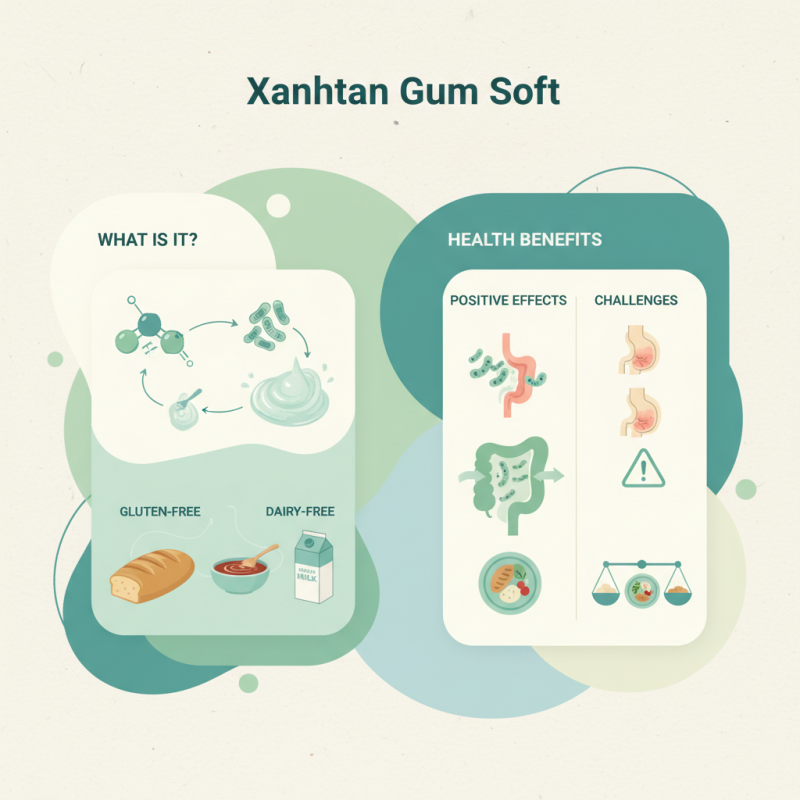
Xanthan Gum Soft is gaining attention in the food industry. It is a natural thickening agent derived from the fermentation of sugar by bacteria. Reports indicate that the global xanthan gum market was valued at approximately $1 billion in 2023. Its unique properties make it ideal for various applications, especially in gluten-free products.
Health-conscious consumers are increasingly seeking alternatives to traditional thickeners. Xanthan Gum Soft offers several advantages, such as enhancing the texture of food. Studies show that it helps improve the digestive system. However, too much xanthan gum can lead to digestive discomfort.
The growing demand for healthy food options drives innovations in xanthan gum formulations. Manufacturers are focusing on creating products that maximize health benefits while minimizing side effects. The balance between achieving desired textures and maintaining gut health remains a challenge. Understanding this balance is key for both producers and consumers.
What is Xanthan Gum and its Origins in Food Industry?
Xanthan gum is a thickening agent widely used in the food industry. It was discovered in the 1960s. Developed by a bacterium called Xanthomonas campestris, it became popular due to its unique properties. This gum stabilizes emulsions and improves texture, making it ideal for gluten-free products.
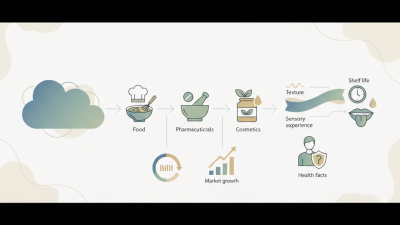
The global market for xanthan gum is projected to reach $1.1 billion by 2025, according to industry reports. Its application extends beyond food, finding uses in cosmetics and pharmaceuticals. In food products, it helps maintain consistency in sauces and salad dressings. Notably, it can retain moisture, which can be beneficial for those watching their diet.
Despite these advantages, xanthan gum can have downsides. Some individuals may experience digestive discomfort. Studies have shown that overconsumption can lead to issues like bloating. As the market grows, more research is needed to understand its long-term effects on health. The balance between benefits and potential risks remains a topic of discussion in the food industry.
Health Benefits of Xanthan Gum: Nutritional Values and Uses
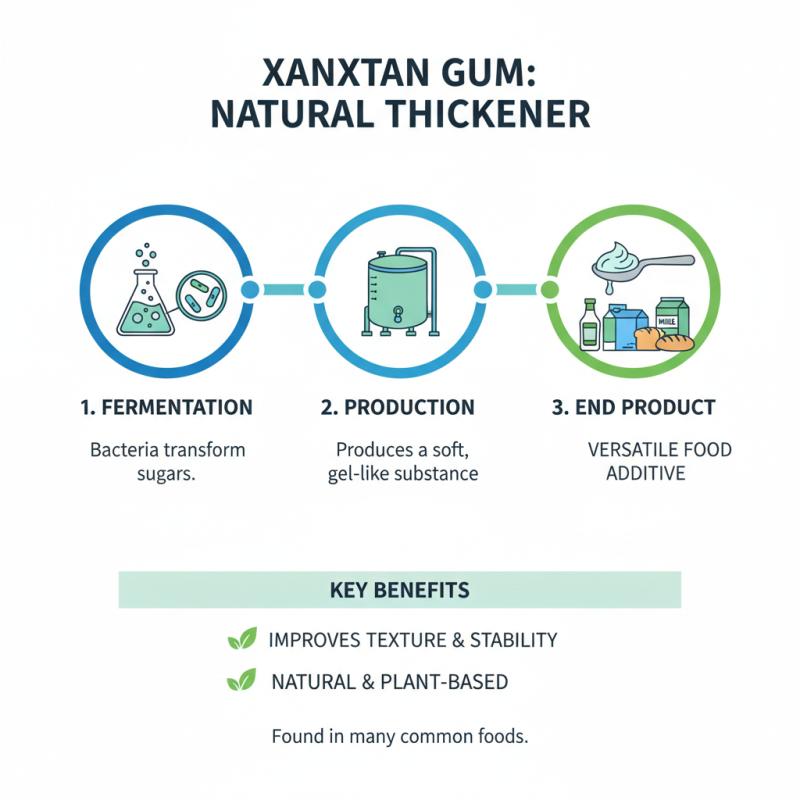
Xanthan gum is a natural thickening agent. It is produced through fermentation. This process involves a bacterium that transforms sugars. The end product is a soft, gelatinous substance. You might find it in many food products today. It helps to improve texture and stability.
The health benefits of xanthan gum are impressive. It acts as a soluble fiber. This means it can aid digestion. Some studies suggest it may help control blood sugar levels. It absorbs water, which can contribute to a feeling of fullness. This can be beneficial for weight management. Additionally, it may improve gut health.
However, not everyone reacts the same way. Some people may experience digestive discomfort. This can include gas and bloating. It’s essential to consider personal tolerances. The nutritional values are often missed in typical diets. Incorporating xanthan gum into meals could enhance dietary fiber intake. But, moderation is key.
Xanthan Gum's Role as a Thickening Agent in Food Products
Xanthan gum is a popular thickening agent used in various food products. This substance is derived from fermenting sugar with a specific bacterium. It creates a gel-like texture, making it ideal for sauces and dressings. When added to foods, xanthan gum helps improve consistency and prevents separation. It’s especially useful in gluten-free recipes.
In addition to its thickening properties, xanthan gum offers health benefits. It can aid digestion by acting as a soluble fiber. This may help promote gut health. However, it’s essential to use it in moderation. Some may experience digestive issues if consumed in large amounts. This makes it necessary to pay attention to individual tolerance levels.
Its versatility extends beyond food. Xanthan gum is also used in cosmetics and pharmaceuticals. It helps stabilize products, keeping them uniform. While it has many advantages, remember that not all thickening agents are created equal. Each has specific roles and potential reactions in the body. It’s crucial to research and understand what you are consuming.
Xanthan Gum Usage and Benefits
Xanthan gum is commonly used as a thickening agent in various food products. The following chart illustrates the health benefits associated with xanthan gum as well as its usage in food items.
Potential Gastrointestinal Effects of Xanthan Gum Consumption
Xanthan gum is a popular thickening agent used in various foods. While it's known for its ability to improve texture, people often overlook its impact on the gastrointestinal system. Many enjoy products with xanthan gum without realizing that it may lead to digestive discomfort for some.
The consumption of xanthan gum can sometimes result in bloating or gas. This effect varies from person to person. For those who have sensitive stomachs, it's crucial to monitor how their body responds. If discomfort occurs, reducing intake may be wise. Some people may experience diarrhea, especially in large amounts.
Tips: Start with small amounts. Gradually increase xanthan gum to see how it affects you. Always listen to your body, as every individual reacts differently. Keep a food diary to track any adverse symptoms after consumption. It might help you identify patterns related to your gastrointestinal health.
Xanthan Gum in Gluten-Free Diets: Enhancing Texture and Stability
Xanthan gum is a popular ingredient in gluten-free diets. It helps improve texture and stability in various foods. When baking gluten-free, achieving the right consistency can be challenging. Xanthan gum acts as a thickening agent, mimicking the properties of gluten. It binds ingredients, giving baked goods a desirable chewiness.
When using xanthan gum, precision is important. Too little may lead to crumbles, while too much can create a gummy texture. For most recipes, a small amount is sufficient. A general tip is to start with 1 teaspoon per cup of gluten-free flour. Experiment to find your perfect balance.
Incorporating xanthan gum into sauces and dressings also enhances texture. It prevents separation and keeps the mixture creamy. Remember, not all combinations work perfectly. Sometimes, trial and error is needed. Pay attention to how different ingredients react, adjusting as necessary for the best results.
What is Xanthan Gum Soft and its Benefits for Health?
| Nutritional Dimension |
Value per 100g |
Health Benefits |
| Calories |
335 kcal |
Provides energy |
| Carbohydrates |
82 g |
Source of dietary fiber |
| Fiber |
76 g |
Promotes digestive health |
| Fat |
0 g |
Low in fat |
| Protein |
0 g |
Does not contribute protein |
Xanthan Gum in Gluten-Free Diets: Enhancing Texture and Stability
| Application |
Purpose |
Benefits |
| Baking |
Improves dough texture |
Enhances bread quality |
| Sauces & Dressings |
Acts as a thickener |
Improves consistency |
| Dairy Alternatives |
Stabilizes emulsions |
Prevents separation |
| Soups |
Provides viscosity |
Enhances mouthfeel |