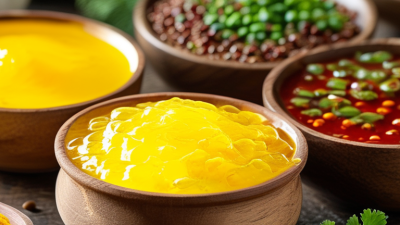
What Is Xanthan Gum Soft Used For?
What Is Xanthan Gum Soft Used For? In food and personal-care formulations, soft-grade xanthan gum is valued for building viscosity, stabilizing mixtures, and helping ingredients stay evenly dispersed. In a salad dressing, it can slow oil-and-water separation; in a sauce, a small amount can create a smooth, spoon-coating texture. The result depends on the formulation, so “soft” should not be treated as a universal performance grade without checking the supplier’s specification.
Evidence matters. The European Food Safety Authority’s 2017 re-evaluation of xanthan gum (E 415) reviewed available toxicological and exposure data and concluded that a numerical acceptable daily intake was not necessary. In the United States, xanthan gum’s permitted food uses are addressed in 21 CFR § 172.695, subject to good manufacturing practice. These sources provide regulatory context, not a guarantee that every finished product behaves the same way.
In practical terms, xanthan gum is a texture tool. It can help a beverage remain uniform, reduce settling, or give a dressing more body. Tiny changes in dosage can noticeably alter thickness. That detail is easy to underestimate. No source material was provided to verify a named individual expert’s quotation, so attributing a direct quote here would risk misleading readers. The EFSA panel’s assessment offers a verifiable expert reference; product-specific claims should still be checked against technical data sheets and formulation trials.
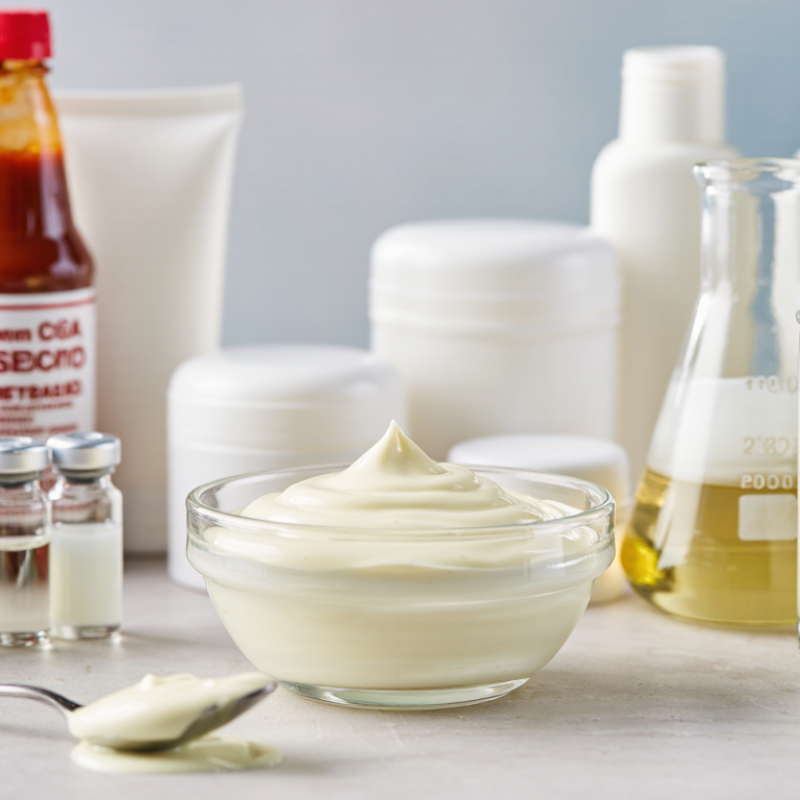
Understanding Xanthan Gum Soft and Its Key Properties
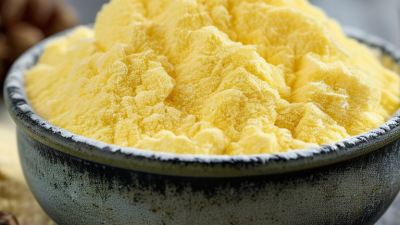
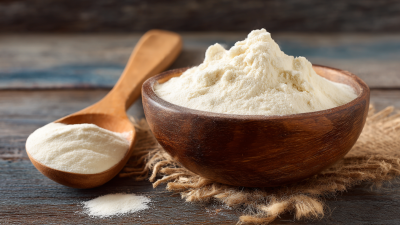
Xanthan gum is a water-loving polysaccharide used to thicken and stabilize mixtures. The word “soft” may describe a fine, powdery texture, rather than a separate type with universally defined properties. Check the product specification, since particle size and handling can vary. Once hydrated, xanthan gum can make liquids more viscous, even at low concentrations. It also helps keep small particles suspended instead of settling quickly.
In food, it can give salad dressing a smoother pour, help sauces stay uniform, and improve the structure of gluten-free dough. Its texture can feel slightly slippery if too much is added. Xanthan gum also behaves differently under stirring: a thick mixture may flow more easily when shaken or whisked, then thicken again at rest. Results depend on the recipe, temperature, and mixing method.
Tips: Blend the powder with dry ingredients before adding liquid, or whisk it in slowly to limit clumps. Start with a small amount and adjust carefully. A little goes a long way. If the mixture turns gummy, the dose or hydration may need rethinking.
How Xanthan Gum Soft Thickens and Stabilizes Formulas
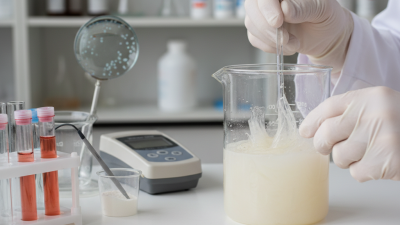
Xanthan gum soft is used to thicken and stabilize water-based formulas, including lotions, gels, and cleansers. It forms a fine network when dispersed and hydrated in water. That network gives a formula more body, so a gel can cling to a fingertip instead of running immediately. It can also help keep small particles evenly suspended. Less settling. The result depends on the grade, amount, and mixing method, so a small test batch is sensible.
Its texture can change under pressure. A lotion may pour easily, then feel thicker again once it rests on the skin. This shear-thinning behavior can make products easier to pump or spread. Xanthan gum may also slow separation, but it does not replace an emulsifier when oil and water need to stay blended. Add it carefully: powder dropped straight into water can form stubborn lumps, with a dry center and a slippery outer layer. Pre-dispersing it in another ingredient and allowing enough time for hydration can help. It is useful, but not magic. Too much may leave a tacky feel, and the “right” amount often needs adjustment.
Common Uses in Foods and Beverages
What Is Xanthan Gum Soft Used For?
Common Uses in Foods and Beverages
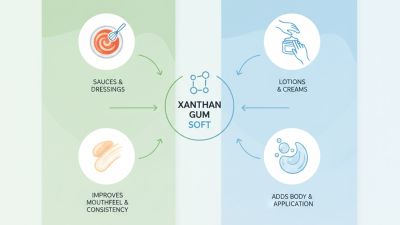
Xanthan gum is a fine powder used to thicken and stabilize many foods. In salad dressings, it helps oil and water stay mixed, even after the bottle sits in the fridge. In soups and sauces, a small amount can add body without much flavor. That matters when a recipe needs a smooth pour rather than a heavy, paste-like texture. Too much, though, can make a sauce feel slick.
In gluten-free baking, xanthan gum helps dough hold together when wheat gluten is absent. It can make bread less crumbly and give cakes a softer, more cohesive bite. Not magic. The result still depends on the flour, liquid, and mixing method. I’ve found it easy to overestimate how much is needed; measuring carefully is worth the extra moment.
In beverages, xanthan gum can keep cocoa, fruit pulp, or other fine particles suspended longer. It is also used in some dairy and plant-based drinks to create a fuller, more even texture. A well-mixed drink feels smooth; a poorly dispersed powder may form small clumps. The ideal amount varies by recipe, so adding it gradually and testing the texture usually works better than guessing.
Uses in Personal Care and Other Products
Xanthan gum soft is used in personal care formulations to adjust texture and help keep ingredients evenly dispersed. In lotions and creams, it can add body and reduce separation during storage. In shampoos and liquid cleansers, it helps create a smoother pour and can keep small particles suspended. It is useful in water-based products. Only a small amount may be needed, though the right level depends on the formula. Too much can leave a tacky feel or make a product stringy.
It also appears in products such as toothpaste, facial gels, and some hair styling formulas, where thickness and spreadability matter. Beyond personal care, xanthan gum can help thicken household cleaners, paints, and other water-based mixtures. It is valued because it can perform across a range of temperatures and acidity levels, but it does not suit every formulation. The word “soft” may refer to a supplier’s grade or material texture, not a universal technical category. Check the product specification and test the finished formula for texture, stability, and skin compatibility. Small batches help. A formula can behave differently than expected.
Factors to Consider When Choosing and Using It
Choosing xanthan gum for soft foods starts with the texture you want.
A smooth sauce needs less thickening than a spoonable pudding. Check the product’s ingredient list and handling directions, since particle size and purity can vary. Plain xanthan gum has little flavor, but too much can make food slick or gummy.
Start small.
Disperse it gradually.
Sprinkle a measured amount into a blender or whisking liquid, rather than dropping it into one spot. Clumps are stubborn. Let the mixture stand briefly, then check its thickness before adding more. A quarter teaspoon can noticeably change a small bowl of sauce, though results depend on the recipe.
Consider the food’s temperature and acidity, too.
Xanthan gum works in many hot or cold mixtures, but other ingredients may affect the final feel. For a soft meal, aim for an even consistency without making it difficult to swallow. People with swallowing difficulties should follow guidance from a qualified clinician; the right thickness is individual. Keep notes on amounts and results. It can take a few tries, and the first batch may feel oddly slippery.