Leave Your Message
A Facial Scrub can make skin feel smoother, but the right choice depends on more than a “normal” or “oily” label. Sensitive cheeks may react to coarse particles, while an oily T-zone can still feel tight after over-exfoliation. Small details matter: the grit’s texture, fragrance, other active ingredients, and how often the scrub is used. Gentle pressure matters, too. Scrubbing harder is not a shortcut.
Dermatologist Dr. Hadley King’s guidance can be summarized this way: “Choose exfoliation that respects your skin barrier.” This is a summary, not a verbatim quotation. With that principle in mind, this guide compares ten facial scrubs across different skin needs, looking at texture, ingredient choices, and practical use. Some formulas rely on fine polishing particles; others pair exfoliation with moisturizing ingredients. No single product suits everyone. Even a carefully chosen scrub may feel wrong on a particular day.
Patch-test first. Use a light touch. Stop if irritation develops, and avoid scrubbing broken or inflamed skin. The picks below are intended to help readers compare options, not promise flawless results. Skin can be unpredictable; honestly, product lists cannot capture every reaction. Consider your skin’s comfort, read the label, and adjust your routine rather than chasing an instant glow.
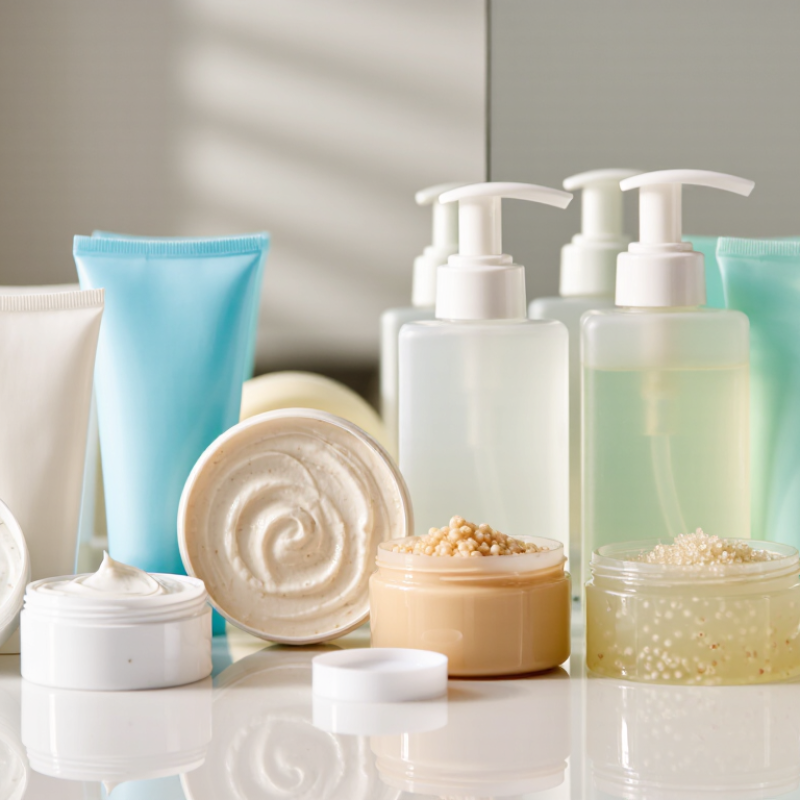
A facial scrub is a physical exfoliant: small particles loosen some dead cells from the skin’s outer surface through gentle rubbing. Unlike chemical exfoliants, which use acids to loosen the bonds between surface cells, scrubs rely on friction. Think of soft grains moving across damp skin—not sanding a dry surface. Pressure matters. Scrubbing harder does not make exfoliation more effective; it can leave skin irritated or tender.
The American Academy of Dermatology advises choosing an exfoliation method suited to your skin and avoiding harsh scrubbing, especially if skin is dry, sensitive, or acne-prone. That matters. The National Rosacea Society estimates that about 16 million people in the United States have rosacea, a condition often associated with facial redness and sensitivity. A rough scrub may aggravate discomfort for some of them. If skin stings easily, a scrub may not be the right tool.
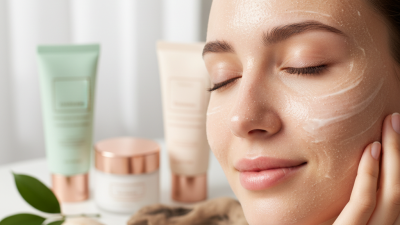
For a cautious trial, use a small amount on wet skin and massage lightly with fingertips for a short time. Rinse well, pat dry, then apply moisturizer. Skip broken, sunburned, or inflamed areas. Watch for lasting redness, tightness, or burning, and stop if these appear. It is easy to mistake a temporary smooth feel for healthier skin. Sometimes less is better.
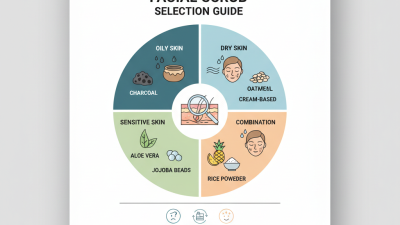
Facial scrubs are physical exfoliants: their particles or textured tools help loosen surface dead skin cells through gentle friction. The options below are ingredient-based formulation types, not branded products. No scrub suits everyone; skin condition and personal tolerance matter.
| Facial Scrub Type | Exfoliating Material | Potentially Suitable For | How It Exfoliates | Practical Use Notes |
|---|---|---|---|---|
| 1. Colloidal Oatmeal Scrub | Very finely milled colloidal oatmeal | Dry or easily irritated skin, if tolerated | Fine particles provide mild surface friction; oatmeal can also help soothe dry-feeling skin. | Choose a smooth, finely milled formula. Massage lightly with water and rinse without rubbing hard. |
| 2. Jojoba Ester Bead Scrub | Rounded jojoba ester beads | Normal or combination skin; some sensitive skin may tolerate a gentle formula | Rounded particles glide over the surface and help lift loosened dead skin cells. | Use light pressure. Stop if the skin stings, becomes persistently red, or feels raw. |
| 3. Cellulose-Based Scrub | Soft, biodegradable cellulose particles | Normal or combination skin | Particles create physical friction as the product is gently spread over damp skin. | Particle size and formula texture affect gentleness; select a fine, smooth-textured option. |
| 4. Fine Rice Powder Scrub | Finely milled rice powder | Normal or oily skin that tolerates physical exfoliation | Small particles loosen surface flakes through gentle mechanical action. | Check that the powder feels fine rather than gritty, and avoid vigorous circular rubbing. |
| 5. Microfine Silica Scrub | Cosmetic-grade, finely sized silica particles | Normal or combination skin | Uniform fine particles provide controlled surface polishing when used gently. | Particle quality and formulation vary. Avoid products that feel sharp or abrasive on the skin. |
| 6. Finely Milled Bamboo Scrub | Fine bamboo-derived powder | Normal or oily skin, if the particles are smooth and well milled | Powder particles exfoliate by lightly buffing the skin’s surface. | Use sparingly and with minimal pressure; discontinue use if irritation develops. |
| 7. Oat-and-Jojoba Gentle Scrub | Fine oatmeal combined with rounded jojoba ester beads | Dry or normal skin that already tolerates gentle scrubs | Combines mild particle-based friction with a typically less sharp-feeling bead texture. | Ingredient names do not guarantee gentleness; assess the finished product’s texture first. |
| 8. Rice-and-Cellulose Scrub | Fine rice powder and soft cellulose particles | Combination skin, if the formula is not gritty | Two types of fine particles provide physical exfoliation as the product is massaged gently. | Avoid layering it with other exfoliants in the same routine until you know how your skin responds. |
| 9. Soft Konjac Sponge | Soft, hydrated konjac-fiber sponge | Normal skin; potentially sensitive skin when used very gently | The damp sponge provides mild surface friction during cleansing; it is a tool rather than a scrub granule. | Soak until soft, use with little pressure, and clean and dry it as directed. Do not use on broken skin. |
| 10. Soft Damp Washcloth | Soft, clean washcloth with water or a gentle cleanser | Most skin types that tolerate light friction | The cloth’s texture can lift some loosened surface flakes during gentle wiping. | Use a clean, soft cloth and very light strokes. Avoid rough towels and repeated scrubbing. |
Use safely: Start with no more than once a week, use light pressure, and adjust only if your skin remains comfortable. Avoid scrubbing sunburned, broken, inflamed, or actively irritated skin. Physical exfoliation may aggravate some people with acne, rosacea, eczema, or a weakened skin barrier. Coarse sugar crystals and jagged nutshell particles are generally poor choices for facial skin because they can feel harsh. Rinse well, moisturize, and use daytime sun protection.