Best Pet Cleaner Manufacturer in China?
Choosing the best Pet Cleaner manufacturer in China takes more than comparing prices or attractive product photos. Buyers need to understand how a supplier develops formulas, manages production, and checks each batch. A sample may smell fresh and clean a muddy paw, but that alone does not show how it performs after repeated use. Small details matter.
A careful review should look at ingredient information, product specifications, packaging options, and quality-control procedures. Ask how the manufacturer handles sample requests, production timelines, and changes to a formula or label. Clear answers are useful. Vague promises are not. Where available, review relevant test reports and product documentation, and confirm that claims match the evidence provided. A polished brochure is not proof of consistent manufacturing.
This guide explores practical ways to compare Chinese Pet Cleaner suppliers, from factory communication to sample evaluation and order planning. It also considers the needs of different products, such as paw wipes, carpet sprays, and odor-control cleaners. No supplier is right for every brand. Even a capable manufacturer may have limits in capacity, customization, or lead time. That deserves a closer look. The goal is not to declare a winner based on one feature, but to help buyers ask better questions and make a more informed choice.
What Pet Cleaners Are and How They Are Used
Pet cleaners are products designed either for an animal’s coat and paws or for surfaces marked by pets. The two jobs are not interchangeable. Pet shampoos and grooming wipes remove dirt from fur; floor and upholstery cleaners target stains and odors on household materials.
A wipe is convenient, but it is not a bath. That distinction matters.
Use coat products according to their labels, avoiding the eyes and irritated skin. For muddy paws, a damp cloth or paw cleanser can help before your pet tracks soil onto the floor. For carpets, test a surface cleaner on a hidden spot first, then follow its directions and let the area dry before pets return.
Never assume a household cleaner is suitable for direct use on an animal. Persistent itching or redness calls for veterinary advice, not a stronger wash.
The American Pet Products Association’s 2025 State of the Industry report estimated U.S. pet-industry spending at $152 billion in 2024, with $157 billion projected for 2025. That figure covers the wider pet industry, not cleaners alone, but it shows the scale of products owners must choose from.
Labels can still be confusing. A little more clarity would help.
How China’s Pet Cleaner Manufacturing Industry Is Organized
Best Pet Cleaner Manufacturer in China?
How China’s Pet Cleaner Manufacturing Industry Is Organized
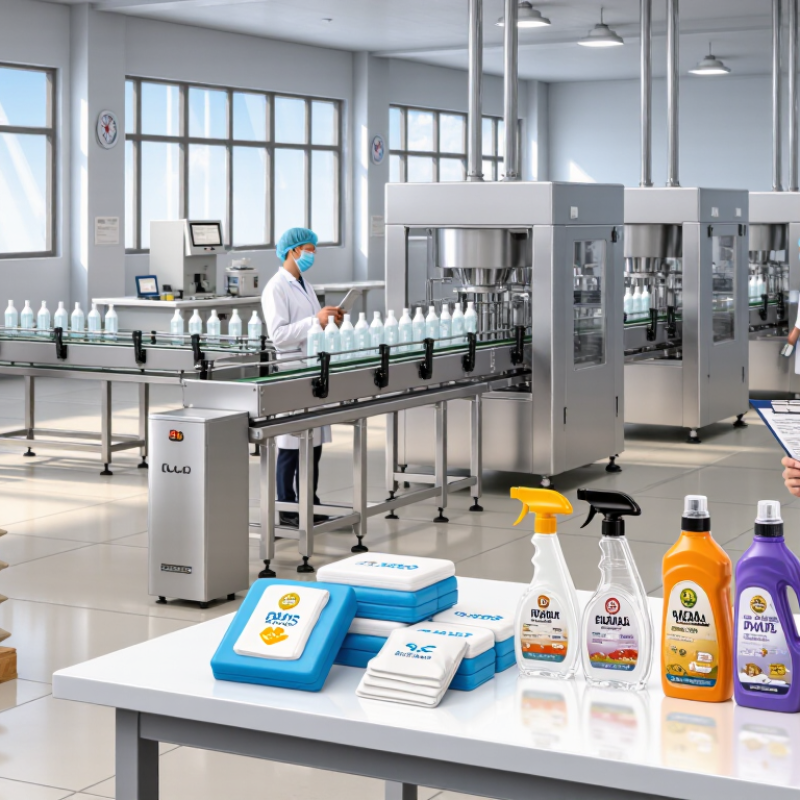
China’s pet-cleaner industry works as a network of specialist suppliers and manufacturers. Ingredient suppliers provide surfactants, fragrance components, and packaging materials. Formulation teams develop products such as odor removers, floor cleaners, and grooming washes. Some factories handle mixing and filling; others coordinate production through partner facilities. Small details matter.
This division can make production flexible, but quality depends on coordination. A bottle may look suitable yet leak after repeated transport. Fragrance can also vary between batches if ingredient controls are weak. Buyers should ask how samples are approved, how batches are recorded, and whether packaging is tested with the finished formula. Clear answers are more useful than broad claims about factory capacity.
Manufacturers may offer OEM services, where a buyer supplies product specifications, or ODM services, where the factory helps develop them. The distinction affects development time and responsibility for formula changes. Requesting current test records and reviewing a production sample can reveal practical gaps. A factory’s export experience is helpful, though it does not replace checking the details. Even careful inspections can miss issues that appear only after storage, so follow-up testing is worth planning.
Which Products and Services Manufacturers Commonly Offer
Best Pet Cleaner Manufacturer in China?
Pet cleaner manufacturers commonly offer stain and odor removers for urine, vomit, and muddy paw marks. Their catalogs may also include floor cleaners, laundry products, and wipes for cleaning pet-related messes. Some formulas use enzymes or plant-derived ingredients, but suitability depends on the surface and instructions. Check whether a product is intended for carpets, sealed floors, or washable fabrics. A polished catalog is not proof of consistent performance.
Services often extend beyond supplying finished products. Manufacturers may provide formula adjustments, private-label packaging, bottle and sprayer options, sample batches, and quality checks. Ask what testing is performed, how batches are tracked, and which product documents are available. Details matter. A sample can reveal spray consistency, scent strength, and residue on a small test area. Still, one sample cannot guarantee every production batch will perform identically.
Tips: Request samples and clear usage directions. Test cleaners on a hidden spot first. Ask how the manufacturer handles formula changes and quality concerns. Don’t rely on vague claims; specific answers are more useful.
How to Assess Quality, Safety, and Manufacturing Standards
When assessing a pet cleaner manufacturer in China, look beyond a polished product photo. Ask for a current specification sheet, ingredient disclosure, and batch records. A reliable supplier should explain what each ingredient does and how product consistency is checked. Details matter. Compare the documents with the actual bottle label, including dilution directions, warnings, and storage guidance.
Safety claims need evidence, not just confident wording. Request relevant test reports and check that they identify the tested product, method, and date. For a cleaner used around pets, ask how the manufacturer evaluates residue, surface compatibility, and accidental contact risks. Clear instructions should say whether a treated surface needs rinsing and how long it should dry. I would be cautious about broad claims such as “completely safe”; real use depends on the animal, surface, and application.
Manufacturing standards are visible in everyday controls. Ask how incoming materials are inspected, how filling equipment is cleaned, and how batches are traced if a concern arises. A site audit or detailed video walkthrough can show storage conditions and production practices, though neither tells the whole story. Request a sample from a routine production run, not only a specially prepared one. Then check the seal, scent, spray pattern, and label clarity. One small point can be missed. I would also revisit my own checklist after testing, because a tidy document set does not always match the product in hand.
Best Pet Cleaner Manufacturer in China? How to Assess Quality, Safety, and Manufacturing Standards
Use this suggested 100-point checklist to structure supplier reviews. Prioritize product safety and quality systems, then verify regulatory documentation, manufacturing controls, and traceability. These weights are a practical evaluation framework—not a regulatory requirement or an industry benchmark.
How to Compare Chinese Manufacturers for Your Needs
Best Pet Cleaner Manufacturer in China?
How to Compare Chinese Manufacturers for Your Needs
Compare manufacturers against the cleaner you actually plan to sell, not just a polished catalog. Ask for product specifications, ingredient details, dilution instructions, and clear guidance on suitable surfaces. For pet households, residue, scent strength, and drying time matter. Request samples and test them on common materials, such as sealed flooring and washable fabric. A sample is useful, but one successful test cannot represent every home.
Check how the factory manages batch consistency, packaging, and quality checks. Ask about minimum order quantities, production lead times, customization options, and experience shipping to your target market. Request relevant test reports and confirm which products or batches they cover. Vague answers deserve follow-up. A low quote may look attractive, but unclear specifications can make comparisons misleading.
Tips: Keep a simple comparison sheet. Record sample results, response times, quoted terms, and document dates. Ask the same questions of each supplier. A factory’s communication can reveal how practical it will be to resolve small issues later. Still, no checklist predicts every problem; leave room to reassess after reviewing samples and written specifications.