Anionic Soap is a cleansing material whose active molecules carry a negatively charged, water-attracting part. In traditional soap, these molecules are usually salts of fatty acids made from fats or oils and an alkali. Their oily tails attach to grease, while their charged ends interact with water. This helps loosen soil so it can be rinsed from skin, dishes, fabrics, or other washable surfaces. Simple chemistry. Yet products vary, and the name can sound more precise than it is.
The term may also be used loosely for products containing anionic surfactants, including some sulfate-based ingredients. These are not always traditional soap. Their formulas, pH, and behavior in hard water can differ. A soap bar may leave a faint film where water contains many minerals; another formula may foam more but still feel drying. Bubbles alone do not show how well a product cleans.
Anionic Soap is used in personal cleansing and household cleaning, depending on the ingredients and label directions. For skin, the finished formula matters as much as the surfactant. Fragrance, concentration, and repeated washing can affect comfort. People with sensitive or cracked skin may prefer a gentler product and should stop using one that causes persistent irritation. This is a practical caution, not a diagnosis. Knowing the ingredient type helps when comparing products, but the label and the way a product feels in everyday use matter too.

Anionic soap describes a negatively charged cleaning agent dissolved in water. Traditional soap is usually a salt of fatty acids, while the wider anionic-surfactant family includes ingredients such as sulfates and sulfonates. The terminology is messy. In use, each molecule has a water-attracting head and an oil-attracting tail. The tails gather around greasy soil, forming tiny clusters called micelles. Water can then carry the loosened soil away from fabric, dishes, or skin. That is the mechanism.
Performance depends on the specific ingredient, concentration, water hardness, and the rest of the formula. Some anionic surfactants create abundant foam, but foam alone does not prove stronger cleaning. They can also irritate skin at high concentrations or with prolonged contact, so rinse-off products are formulated with use conditions in mind. OECD Test Guideline 301 sets a ready-biodegradability benchmark of 60% theoretical oxygen demand or carbon dioxide production within 28 days for applicable test methods. This is a test threshold, not a guarantee for every anionic soap or finished product. Check the ingredient and product-use instructions; the chemistry is only part of the story.
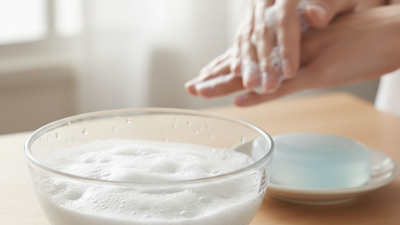
Anionic soap is named for the negatively charged part of its cleaning molecule. Traditional soap contains sodium or potassium salts of fatty acids, made by reacting fats or oils with an alkali. The fatty-acid tail helps loosen oily soil, while the charged head interacts with water. This structure helps lift grease from skin, dishes, and washable fabrics. Simple chemistry, useful results.
Some products called “anionic soap” may instead contain synthetic anionic surfactants, such as alkyl sulfates or sulfonates. These ingredients can clean effectively, but they are not chemically identical to traditional soap. Check the ingredient list rather than relying on the front label. Traditional soap is usually alkaline and can leave deposits in hard water; you may notice a dull film on a glass or a tight feeling after washing. That detail matters. The term can be confusing, and one ingredient alone does not predict how gentle a finished product will feel.
Tips: For handwashing, use a small amount and rinse thoroughly, especially around rings and between fingers. If your skin feels dry, try less frequent washing or a fragrance-free cleanser, then apply moisturizer. Hard water? A cleanser designed for it may rinse more cleanly. Avoid assuming that “natural” means non-irritating; individual skin responses vary.
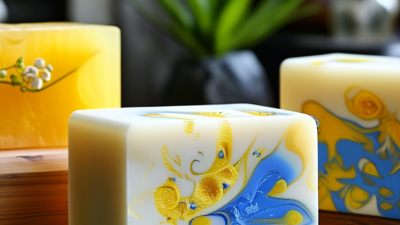
Anionic soap describes cleansing products whose active surfactants carry a negative charge in water. Traditional soap is made from fatty-acid salts, such as sodium palmate or sodium cocoate. It commonly comes as a solid bar, liquid wash, or flakes for dissolving. Simple, familiar forms.
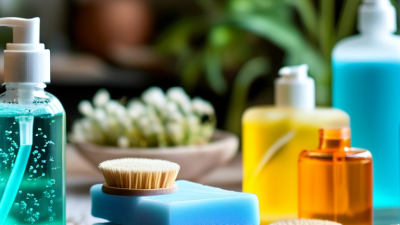
Not every product called a cleansing bar is true soap. Some are syndet bars, made with synthetic anionic surfactants such as sulfates or sulfonates. Liquid hand washes and shampoos may use these ingredients because they mix easily with water and create foam. Foam is noticeable, but it does not prove that a product cleans better.
The type can affect how a cleanser feels and performs. Traditional soap may leave a film in hard water, where minerals react with soap salts. Sulfate-based cleansers often remove oil efficiently, though some people find them drying with frequent use. Sulfonate-based agents are another common group, used in household and personal-care cleansers. Read the ingredient list and consider skin comfort, not just bubbles. Even then, reactions vary; a label cannot predict every person’s experience.
Anionic soap refers to cleaning agents whose active molecules carry a negative charge in water. Traditional soaps, made from fatty acids, are one example; many modern detergents use other anionic surfactants. These ingredients help water lift away oil, food residue, and soil. In household cleaning, they appear in dish liquids, laundry products, and some surface cleaners. A greasy plate may feel less slippery after rinsing because the surfactant has helped disperse oily residue. It does not necessarily disinfect the surface.
In personal care, anionic surfactants are used in shampoos, body washes, and facial cleansers. They create foam and help remove sweat, sebum, and product buildup. Foam can make a cleanser feel effective, but more bubbles do not always mean better cleaning. Some formulas may leave dry or sensitive skin feeling tight, especially with frequent use. The word “soap” can be confusing here: many anionic cleansers are detergents, not traditional soap, and their gentleness depends on the full formula and how often they are used.
Tips: Use a small amount and rinse thoroughly. For dry or reactive skin, try a milder cleanser and watch for tightness or redness. Hard water can also reduce the lather of traditional soap, so a detergent-based wash may work better. If irritation continues, stop using the product and seek professional advice.
Anionic soap is a broad everyday label. It may mean traditional fatty-acid soap or synthetic anionic surfactants used in cleaners. The distinction matters because ingredients, concentration, and intended use affect safety. Skin may become dry or irritated after repeated contact, especially with concentrated products. Keep products out of the eyes, rinse splashes promptly, and follow the package directions. A small patch test can help, though it cannot predict every reaction.
Environmental performance depends on the specific surfactant and what happens after it goes down the drain. OECD Test Guideline 301 defines ready biodegradability using thresholds of 60% mineralisation or 70% dissolved organic carbon removal within 28 days under specified tests. These are laboratory criteria, not a promise that every product breaks down equally in nature. HERA’s environmental assessment of linear alkylbenzene sulfonate describes biodegradation and removal during conventional wastewater treatment, while noting that exposure depends on treatment and local conditions. “Biodegradable” is not a free pass.
Use only the amount needed; extra foam does not mean better cleaning. For handwashing, rinse until the slippery feel is gone. Avoid pouring concentrated cleaner near drains or waterways, and do not mix cleaning products. If frequent washing leaves hands tight or cracked, reduce exposure and consider a milder product. That detail is easy to overlook. A label can guide use, but it cannot account for every skin type or septic system.
Anionic surfactants—including soap and many detergent ingredients—carry a negative charge in water. They help loosen oils and dirt so they can be rinsed away.
How to read this chart: OECD Test Guideline 301 uses different pass thresholds for different test methods: 60% for ThOD or ThCO₂, and 70% for DOC removal. These are method-specific criteria, not a direct comparison of environmental performance. Biodegradability varies by substance and test conditions, so the chart does not imply that every anionic surfactant meets either threshold.
Safety and use: Anionic surfactants are used in products such as laundry detergents, dishwashing liquids, and personal-care cleansers. Concentrated products may irritate skin or eyes; follow the product label, avoid contact with eyes, and keep products out of reach of children.
Source: OECD Test Guideline 301, Ready Biodegradability.