How to Choose the Best Synthetic Preservatives for Food Safety?
In the contemporary food industry, the role of synthetic preservatives is paramount for ensuring food safety. Reports indicate that nearly 80% of processed foods contain some form of synthetic preservatives. These additives prolong shelf life, prevent spoilage, and maintain product integrity. However, their presence raises questions about health implications and consumer preferences.
Industry experts suggest that while synthetic preservatives are effective, they may prompt adverse reactions in some individuals. The ongoing discourse often centers around balancing food safety and consumer health. For instance, the U.S. Food and Drug Administration (FDA) maintains that many synthetic preservatives are safe when used correctly. Yet, studies show increasing consumer demand for clean-label products, leading food manufacturers to re-evaluate their choices.
Choosing the best synthetic preservatives requires careful consideration. Not all preservatives provide equal benefits or safety profiles. Evaluating effectiveness, potential health risks, and regulatory standards is essential. A responsible approach may involve a combination of synthetic and natural preservatives. Reflecting on these factors can guide manufacturers towards safer, more appealing food products.
Understanding Food Preservation and Its Importance for Safety
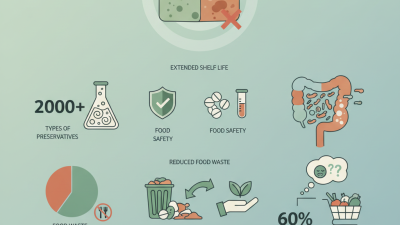
Food preservation plays a crucial role in ensuring public safety. According to the Food Safety and Inspection Service, improper food preservation can lead to foodborne illnesses, affecting millions annually. Understanding the need for effective preservatives is vital for reducing contamination risks. The CDC reported that contaminated food causes about 48 million illnesses in the U.S. each year, highlighting the importance of safe food practices.
Synthetic preservatives, while often criticized, can provide significant benefits. They inhibit microbial growth and extend shelf life. However, some consumers worry about potential health impacts. In a 2022 study, nearly 30% of respondents expressed concerns about synthetic additives. This shows the need for transparent labeling and research into safe usage levels. Striking a balance between safety and consumer preferences is key.
Research indicates that synthetic preservatives can reduce spoilage by up to 75%. This statistic underscores their usefulness in maintaining food quality. However, without stringent regulations, some food products may contain excessive levels of these substances. As we navigate food safety, it's imperative to prioritize both innovation and consumer education. Preserving food safely requires a continuous dialogue among manufacturers, scientists, and the public.
Types of Synthetic Preservatives Used in Food Products
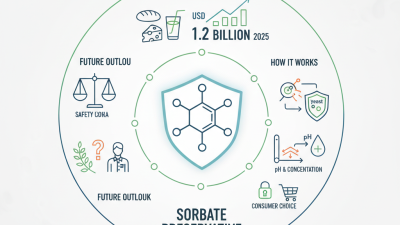
Synthetic preservatives play a crucial role in food safety. They help prevent spoilage and extend shelf life. Common types include sorbates, benzoates, and sulfites. Sorbates inhibit mold and yeast growth. Benzoates are effective against bacteria and fungi. Sulfites help preserve color and freshness in dried fruits and wines.
When selecting synthetic preservatives, consider usage levels. Many preservatives are effective in small amounts and may cause issues if overused. Understanding the specific role of each preservative is essential. Look for compatibility with other ingredients. It ensures food safety without compromising quality.
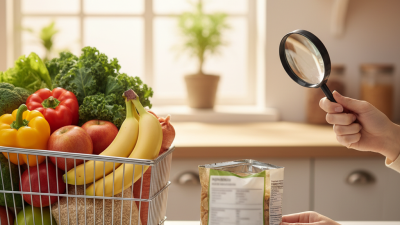
Tips: Always read labels carefully. Checking for potential allergens is vital. This step helps in making informed choices. Also, stay updated on regulations regarding preservative use. Not all preservatives suit every food product. Some may lose effectiveness under certain conditions. Prioritize safety by choosing wisely.
Evaluating the Safety and Efficacy of Synthetic Preservatives
When evaluating synthetic preservatives, it is crucial to consider safety and efficacy. Many preservatives are designed to extend shelf life. However, not all are created equal. Some have been linked to health concerns, while others show great promise without adverse effects.
Safety assessments involve rigorous testing. Regulatory agencies often review toxicological data and conduct studies. Efficacy, on the other hand, focuses on how well a preservative performs in real-world conditions. These factors can vary between products. Consumer preferences, ingredient transparency, and sensory qualities may also impact choices.
Moreover, the debate surrounding synthetic preservatives continues. Some studies suggest a potential connection to health issues. Others advocate for their use in preventing foodborne illness. As research evolves, staying informed is essential. Evaluating ingredient labels can reveal much about a product's safety and effectiveness. This diligence helps consumers navigate the complex landscape of food preservation.
How to Choose the Best Synthetic Preservatives for Food Safety?
| Preservative Type |
Common Uses |
Effectiveness |
Safety Rating |
Potential Side Effects |
| Sodium Benzoate |
Beverages, condiments, pickled foods |
Effective against bacteria and fungi |
Generally recognized as safe (GRAS) |
Allergic reactions in sensitive individuals |
| Potassium Sorbate |
Dairy products, baked goods, beverages |
Effective against mold and yeast |
Considered safe, minimal side effects |
Rare allergic reactions |
| Calcium Propionate |
Bread, baked goods |
Inhibits mold growth effectively |
Generally safe, widely used |
Gastrointestinal discomfort in large amounts |
| Sorbic Acid |
Cheeses, meats, pastries |
Effective against wide range of microorganisms |
Safe for consumption |
Possible skin irritations |
| Benzoic Acid |
Fruits, vinegar, beverages |
Effective against yeast and bacteria |
Safe at low concentrations |
Nausea in very high doses |
Regulatory Standards and Guidelines for Food Preservatives
When selecting synthetic preservatives for food safety, understanding regulatory standards is crucial. In the United States, the Food and Drug Administration (FDA) oversees the approval process for food additives. This includes a rigorous review of safety data. According to the FDA, approximately 3,000 food additives, including preservatives, are approved. These additives must meet safety standards that ensure consumer protection.
The European Food Safety Authority (EFSA) also plays a significant role in Europe. They assess the safety of food preservatives before approval. A report indicated that 20% of food ingredients reported adverse effects, prompting stricter regulations. The EFSA emphasizes the importance of scientific evidence in their evaluations. A 2021 study found an increase in consumer awareness about synthetic additives, highlighting the need for transparency in labeling.
It’s important to reflect on the effectiveness of current regulations. While they provide safety nets, gaps remain. Not all synthetic preservatives are equally safe for all populations. Vulnerable groups, such as children and pregnant women, may require additional protections. Therefore, ongoing research and reevaluation of approved additives are necessary to ensure public health remains a priority.
Making Informed Choices: Factors to Consider When Selecting Preservatives
When selecting synthetic preservatives, consider several crucial factors. The effectiveness of a preservative can vary significantly. Understanding the types of food and their specific needs is essential. For example, some preservatives may work better in high-acid foods while others are more suitable for low-acid products.
Tips for Choosing Preservatives: Always check the concentration levels. Too much can be harmful. Assess the shelf life enhancement; a balance between longevity and taste quality is vital. Ensure that the preservatives are approved for your specific usage. Regulatory standards can differ by region.
Also, think about the potential side effects. Some synthetic preservatives may cause allergic reactions in sensitive individuals. Reflect on consumer preferences; many are moving towards natural options. Staying informed about emerging research can impact your choices. It’s important to revisit your selections periodically to ensure they meet the evolving standards of food safety.