Finding dependable Isopropyl Palmitate suppliers in 2026 takes more than comparing prices. This ester is widely used as an emollient in personal-care formulations, where it can add a smooth, lightweight feel. Small differences in color, odor, or batch consistency may still matter when a product is scaled up. Check the actual specification, not just the product name. Cosmetics Europe’s 2023 market data recorded about €96 billion in European cosmetics and personal-care retail sales. This provides useful demand context, but it does not measure Isopropyl Palmitate consumption or guarantee future orders. That distinction matters.
A practical supplier review should cover a current specification sheet, certificate of analysis, safety data sheet, batch traceability, sample consistency, and realistic lead times. Ask where the material is manufactured and whether the supplier can explain its quality-control process. Confirm that the offered grade fits your formulation and intended markets; paperwork alone cannot prove that. Request details on packaging, minimum order quantities, and how the supplier communicates specification changes. Then compare landed cost, not only the quoted price. A low quote can become less attractive after freight, delays, or repeated testing. Some supplier information may also be incomplete, so verify important claims directly and record the answers. The best choice is not always the largest manufacturer. A responsive, well-documented supplier may be a better fit for your volume. Start with evidence, and keep a sample.

Isopropyl palmitate (IPP) is an oily ester made from isopropyl alcohol and palmitic acid. It is used mainly as an emollient, helping skin feel smoother and less greasy. PubChem lists its molecular formula as C₁₉H₃₈O₂ and molecular weight as 298.50 g/mol. These identity figures help screen documentation, but they do not prove a particular batch’s purity. A clear, pale liquid can still miss a key specification.
For 2026 supplier checks, compare the certificate of analysis against your intended use. Review assay or ester content, acid value, saponification value, color, odor, water content, and residual alcohol. Ask for test methods, limits, and batch-specific results—not just a typical specification sheet. The Cosmetic Ingredient Review’s assessment provides safety context for cosmetic ingredients, but it is not a substitute for product testing or a supplier’s quality records.
Small details matter. A faint rancid note, for example, deserves follow-up rather than guesswork.
Also check packaging compatibility, storage guidance, traceability, and whether the supplier can provide a representative sample. An isolated number is easy to misread; units and test methods must match. I would not treat a polished COA as proof by itself. Confirm the data against your own requirements, and document any gaps before approving a source.
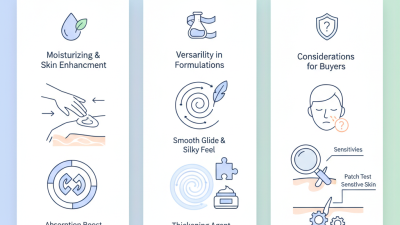
In 2026, buyers can locate isopropyl palmitate suppliers through cosmetic-ingredient distributors, chemical trade directories, industry exhibitions, and specialist B2B platforms. McKinsey’s 2023 beauty-market analysis projected global beauty sales could reach $580 billion by 2027. That forecast signals a large and growing customer base, but it does not prove demand for any single ingredient. Directories help build a shortlist. They are not endorsements.
Contact suppliers directly and ask for a current technical data sheet, safety data sheet, and certificate of analysis. Check the stated grade, assay, acid value, color, odor, packaging, lead time, and batch-to-batch controls. Request a sample before discussing volume pricing. Compare at least three written quotations, including freight and minimum order quantities. If specifications seem vague, ask for clarification; a polished listing can still leave important details unanswered. I would not rely on price alone.
Tips: Search using both “isopropyl palmitate” and its CAS number, 110-27-0. Confirm the supplier’s manufacturing or distribution role, sample the material, and retain approval records. For repeat orders, agree on specification limits and notification procedures for changes. Small checks matter. A supplier may be responsive before the first order, yet slower when a shipment is delayed.
When evaluating an isopropyl palmitate supplier, request a current specification sheet, safety data sheet, and certificate of analysis for a recent production lot. Check key details such as appearance, assay, acid value, and moisture against your requirements. A clean document is not proof by itself. Confirm that lot numbers match across records and that the supplier can explain any out-of-specification results.
Review the supplier’s quality procedures, traceability, and change-control process. Ask how they handle complaints, retain samples, and notify customers about changes to raw materials or manufacturing sites. Verify that their documentation supports the regulations and markets relevant to your intended use. Where the risk warrants it, arrange a qualified third-party audit or independent testing. It is easy to overvalue polished paperwork; practical answers matter more.
Capacity deserves the same scrutiny as quality. Request typical lead times, available monthly volume, minimum order quantities, and contingency plans for shortages. Ask whether the quoted supply comes from regular production or a one-time batch. Compare commitments with production history, not just a sales estimate. A spreadsheet can help. I would also test communication with a specific question and track how clearly it is answered. One caveat: forecasts change, so agree on realistic volumes and review them regularly.
When comparing suppliers, request samples from the same production grade you plan to purchase. Check appearance, odor, and relevant specification data, such as acid value and ester value. Exact limits may differ by grade, so compare each supplier’s documents rather than assuming one standard applies. Test the material in your own formulation. Observe how it blends, feels, and performs after storage.
A sample can look fine on day one and behave differently after several weeks. That is worth checking. Ask for a certificate of analysis, safety data sheet, lot traceability details, and packaging information. For pricing, compare the delivered cost, minimum order quantity, lead time, payment terms, and quote validity. A low unit price may not help if the required order is too large or delivery is uncertain. Keep written records; my own comparisons have been less reliable when notes were scattered.
Tips: Label each sample with its lot number and arrival date. Use the same test method and conditions for every supplier. Ask how specifications are maintained between lots, and confirm whether changes will be communicated. A tidy spreadsheet helps, but it cannot replace a small production trial.
Finding a supplier for isopropyl palmitate is only the start; long-term supply needs evidence of consistent performance. Ask how the supplier controls incoming materials, production, and batch release. Request a current specification, safety data sheet, and representative certificates of analysis. Check that documents identify the grade and provide measurable values, such as acid value, color, and odor. Keep your own approved specification.
A sample can smell and look right yet behave differently in a finished formula. A polished sample proves little. Test samples using your own methods, then compare results with the supplier’s certificate. Where possible, evaluate material from more than one production lot. Record the test conditions and acceptance limits; otherwise, later comparisons can become subjective. Ask how retained samples, batch traceability, and specification changes are handled.
Discuss practical supply details before relying on a quotation: standard lead time, minimum order quantity, packaging options, and storage recommendations. Ask what happens when production is delayed or a batch falls outside specification. Clear written answers matter. Review communication quality during the qualification process, too. A supplier may have strong documents but respond slowly to a simple technical question. That is worth noting, even if it is not decisive. Keep qualification records and reassess performance periodically.