Top Grease Making Raw Materials for Global Buyers in 2026?
As the demand for lubricants grows, the spotlight is on grease making raw materials. These materials are fundamental to producing high-quality grease that meets industry standards. In 2026, global buyers will seek specific components that enhance performance and durability in various applications.
Understanding the critical raw materials is essential for manufacturers. Commonly used substances include Lithium, Calcium, and Polyurea, which contribute significantly to the grease’s consistency and effectiveness. Selecting the right combination can elevate product quality. However, this process requires expertise and careful consideration of market needs.
Challenges may arise in sourcing these materials responsibly. Supply chain issues, sustainability, and cost fluctuations can impact availability. Companies must navigate these complexities to ensure they provide reliable products to their clients. The significance of grease making raw materials cannot be overstated, as they pave the way for advancements in lubricant technology.

Top Grease Manufacturing Ingredients: An Overview
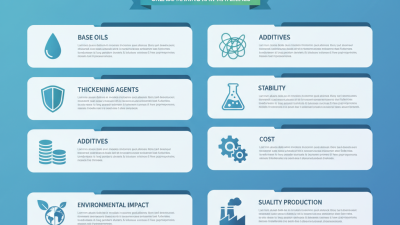
The demand for grease manufacturing ingredients is projected to rise significantly by 2026. Key raw materials include lithium, calcium, and aluminum complex soaps. According to a recent industry report, lithium-based greases make up about 45% of the market due to their excellent thermal stability and performance. Calcium greases are also popular, usually accounting for around 30% of the total grease production.
The choice of materials has a direct impact on the finished product's quality. For instance, the viscosity index improvers and extreme pressure additives used can dramatically influence a grease's performance. Market research indicates that synthetic lubricants are gaining traction, driven by their superior properties and sustainability benefits. However, challenges remain, especially regarding sourcing bio-based alternatives that meet industrial demands.
Another aspect to consider is cost volatility. The prices of key ingredients fluctuate based on market conditions and availability. A report highlighted that the cost of lithium has seen a 200% increase over the past five years, prompting manufacturers to explore alternative formulations. As companies aim to lower costs and innovate, balancing quality and sustainability will be crucial moving forward.
Key Raw Materials for Grease Production in 2026
The global grease market is evolving rapidly. Raw materials play a crucial role in this evolution. In 2026, several key ingredients are expected to dominate the landscape of grease production.
Lithium-based soaps are highly effective. They provide excellent thermal stability and mechanical performance. This makes them indispensable in high-temperature applications. However, sourcing these materials can be challenging. Companies may face supply chain disruptions.
Synthetic esters are becoming popular too. They possess unique properties that enhance performance. Their biodegradability attracts environmentally conscious buyers. Nevertheless, the cost of production is a concern for many. Balancing quality and affordability is vital.
Tips: Invest in research. Understanding new technologies can lead to better material selection. Sustainability should also be a priority. Companies must seek eco-friendly options to meet consumer demands.
The market will also see a rise in demand for biodegradable greases. Formulating with natural waxes and oils can cater to this trend. Businesses should find ways to innovate while minimizing waste. This reflects a growing responsibility towards the environment.
Market Trends Influencing Grease Raw Material Choices
As the grease market evolves, buyers face numerous choices. Market trends play a vital role in shaping these decisions. One significant trend is the growing demand for eco-friendly raw materials. Environmentally conscious consumers drive this shift. They prioritize sustainability over traditional options. Buyers now consider the environmental impact of their choices.
Another trend is the rise in advanced manufacturing technologies. These innovations enable the development of superior greases. The ability to tailor properties to specific applications is appealing. Customization can enhance performance while maintaining cost-effectiveness. Buyers must stay informed about technological advancements. Understanding these can lead to better procurement strategies.
Market dynamics also influence prices. Fluctuations in raw materials can affect the overall cost of grease production. Buyers should remain vigilant about market changes. This awareness could provide negotiation leverage. Balancing quality with affordability is a constant challenge. Buyers often reassess their strategies to adapt. The need for agile thinking is crucial in this competitive landscape.
Sustainability Factors in Grease Raw Material Selection
Sustainability is becoming crucial in choosing raw materials for grease production. Manufacturers must consider the environmental impact of their choices. The extraction of materials can lead to habitat destruction and pollution. Grease makers should prioritize resources that minimize these effects.
Biobased materials are gaining attention. They offer a renewable alternative to traditional petroleum-based products. Sourcing from sustainable farms can reduce carbon footprints. However, these materials may vary in quality. Consistency is a challenge that companies must address. Testing and verifying the quality of these sources is essential.
Regulatory standards are evolving. They push for the use of green materials in manufacturing processes. Companies may strive to comply with these standards to appeal to eco-conscious consumers. This shift can bring uncertainties. The balance between sustainability and performance needs careful examination. It’s an ongoing journey, not a destination.
Future Prospects for Grease Raw Material Supply Chains
The supply chains for grease raw materials face complex challenges as we approach 2026. Environmental regulations are tightening, impacting production methods. Meanwhile, the demand for sustainable materials continues to rise. Buyers seek transparency in sourcing, pushing suppliers to adapt.
Tips for navigating this landscape include building strong relationships with providers. Communication fosters trust and helps mitigate supply chain disruptions. Diversifying suppliers can also manage risks. Keep an eye on market trends; they can influence material availability.
Concerns around sustainability pose a dilemma. Some materials may become scarce, leading to potential price spikes. Buyers might need to rethink their strategies to ensure long-term stability. Consider alternatives that may initially seem unconventional. They could lead to more resilient supply chains in the future.