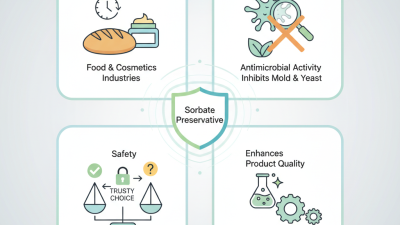
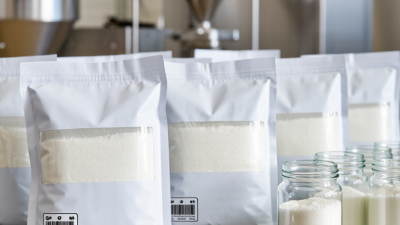
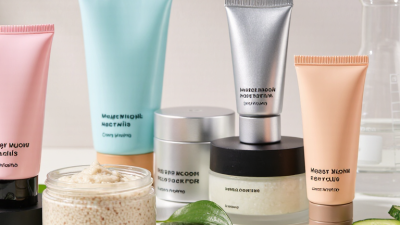
For global buyers, choosing the right Sorbate Preservative in 2026 requires more than comparing price per metric ton. Sorbic acid, potassium sorbate, calcium sorbate, and coated sorbate systems behave differently in real products. Their performance depends on pH, water activity, storage temperature, packaging, and the target microorganisms.
Dr. John N. Sofos, a respected food-safety researcher, has emphasized, “Food safety is not a matter of chance.” This principle remains practical for every procurement team. A clean white potassium sorbate powder may look acceptable, yet its assay, moisture content, particle size, and batch consistency require documented verification. Ask for a current certificate of analysis, allergen statement, heavy-metal results, microbiological data, and traceable manufacturing information. Do not rely only on a supplier’s product brochure.
The best type may differ across beverages, bakery fillings, sauces, dairy applications, and fruit preparations. Potassium sorbate often offers convenient water dispersibility. Sorbic acid may suit dry blends or controlled-release formulations. Calcium sorbate can support specialized applications, although availability and formulation experience may be narrower. Encapsulated grades deserve attention when gradual release is important.
Small details matter.
A buyer should also confirm permitted use levels in the destination market and validate the finished product through shelf-life testing. This article examines the main Sorbate Preservative types, their technical strengths, purchasing risks, and quality checks for international sourcing. Some assumptions may fail under factory conditions. That is precisely why careful testing remains essential.
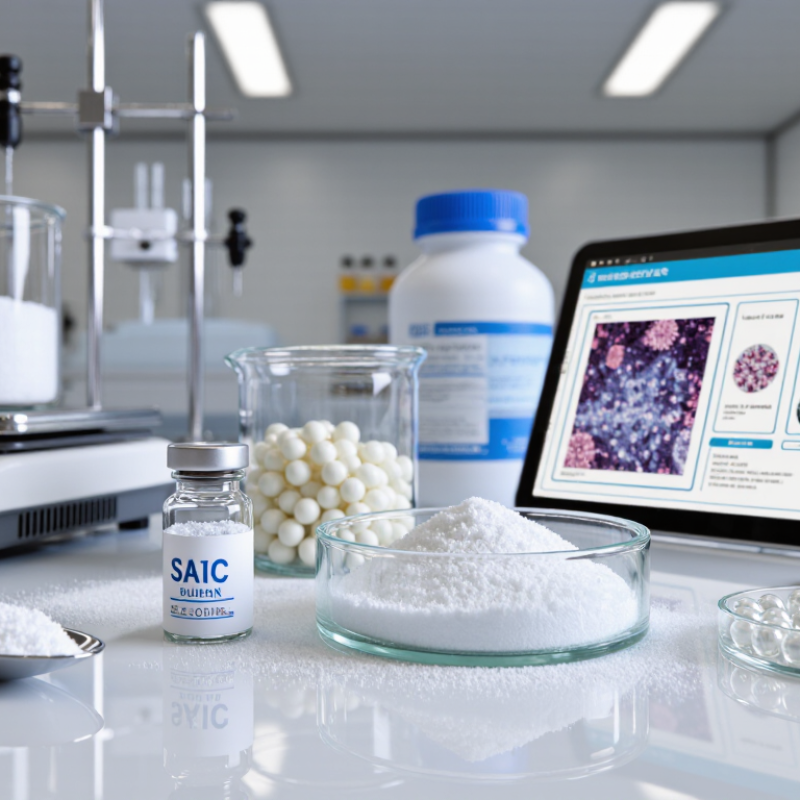
Sorbate preservatives are food-grade antimicrobials made from sorbic acid and its salts. Common forms include sorbic acid, potassium sorbate, and calcium sorbate. They mainly control yeasts and molds in acidic foods, beverages, sauces, fillings, and dairy products. According to the FAO/WHO Joint Expert Committee on Food Additives, the group acceptable daily intake is 0–25 mg per kilogram of body weight, expressed as sorbic acid. Codex GSFA permits sorbates in selected food categories, with limits depending on the product matrix.
Their action is strongly linked to pH. In acidic conditions, more sorbate remains as undissociated sorbic acid. This form can enter microbial cells and disturb membrane function, nutrient transport, and enzyme activity. Growth then slows or stops. Sorbates are less reliable against many bacteria, especially when hygiene is poor. They are not a substitute for thermal processing or clean production.
Practical formulation work needs pH checks, dosage verification, and mold challenge testing. A small pH increase can reduce performance. Moisture, packaging oxygen, storage temperature, and mixing quality also matter. Potassium sorbate dissolves easily, but uneven distribution can leave vulnerable spots. That detail is often underestimated. Results may differ between laboratory samples and factory batches. Therefore, buyers should request specification sheets, test methods, purity results, and stability data before approval. The science is clear, but the application is not always simple.

Global buyers can source several sorbate preservative types in 2026. The main options are sorbic acid, potassium sorbate, calcium sorbate, and sodium sorbate. Potassium sorbate remains the most practical choice for beverages, sauces, bakery fillings, dairy products, and fruit preparations. It dissolves more easily than sorbic acid, especially when production water is slightly acidic.
Codex GSFA lists sorbates under INS 200, 201, 202, and 203. These codes cover sorbic acid and its sodium, potassium, and calcium salts. JECFA reports a group acceptable daily intake of 0–25 mg per kilogram of body weight, expressed as sorbic acid. Buyers should still verify the permitted level in each destination market. Rules can differ by food category.
Sorbic acid suits dry blends and controlled-release applications, but it needs stronger mixing discipline. Calcium sorbate may support selected bakery and dairy uses, although availability is less consistent. Sodium sorbate appears in fewer international supply programs. That matters when buyers need stable yearly volumes.
Check assay, moisture, particle size, packaging, and residual solvents. Also request batch testing and food-grade documentation. A low price can hide poor dispersion or inconsistent granulation. In practice, potassium sorbate is often the easiest starting point, not always the technically best answer. Product acidity, water activity, heat exposure, and local standards must guide the final selection. Supplier documents should be reviewed again before every major contract.
For global buyers, potassium sorbate, sodium sorbate, and sorbic acid are related, but they do not behave identically in production. Sorbic acid is the active antimicrobial form, yet its water solubility is limited. Potassium sorbate dissolves more easily, making it practical for beverages, sauces, fillings, and liquid blends. Sodium sorbate also offers strong water compatibility, but its commercial availability and regional acceptance may vary.
Potassium is often the easier purchasing choice.
All three depend heavily on acidity. Sorbates work best in acidic foods, usually below pH 6.5, with stronger performance at lower pH levels. A neutral formula can quietly weaken preservation, even when the dosage looks correct. The FAO/WHO JECFA evaluation establishes a group acceptable daily intake of 0–25 mg per kilogram of body weight, expressed as sorbic acid. Codex GSFA lists sorbic acid, sodium sorbate, and potassium sorbate under INS 200, 201, and 202, while permitted levels depend on the food category.
Buyers should compare assay, moisture, particle size, packaging, and dissolution time. A fine powder may disperse faster, but it can absorb moisture during storage. Potassium sorbate is not automatically superior. Sodium sorbate may fit a specific formula, but supply continuity needs checking. Country rules also differ. I would verify the final use level against Codex and the importing market’s current requirements, not rely on an old specification sheet.
Global buyers should compare sorbic acid, potassium sorbate, and calcium sorbate by application, not price alone.
Potassium sorbate dissolves easily in many water-based products, while sorbic acid may suit controlled, acidic systems.
Calcium sorbate can support selected formulations, but availability and local acceptance may differ.
Check assay, moisture, particle size, color, odor, and solubility against a recognized specification. Small differences can affect mixing and shelf stability.
Safety review must include a current Certificate of Analysis, Safety Data Sheet, allergen statement, heavy-metal limits, microbiological results, and manufacturing traceability.
Confirm food-grade status and good manufacturing practices at the production site. The preservative works best in an appropriate pH range. A strong dosage cannot repair poor hygiene or unsuitable packaging. That point is often missed.
Buyers should also verify permitted uses, maximum levels, labeling rules, and import documentation in every destination market. Codex references may help, but national requirements can be stricter.
Tips:
Request a recent batch sample, not only a brochure. Test it in the real formula, including storage at heat and humidity. Compare three batches when possible.
Ask whether specifications follow current food-chemical standards, and confirm the laboratory’s competence. A certificate alone is not enough.
Review its issue date, batch number, test methods, and acceptance limits. Keep a written approval record.
It may feel excessive, yet one overlooked limit can delay customs clearance or force a costly reformulation.
Global buyers should select sorbate preservatives by product conditions, not by price alone. Potassium sorbate dissolves easily in water and suits many beverages, sauces, fillings, and dairy applications. Sorbic acid may work well in lower-moisture foods, but its dispersion requires closer process control. Calcium sorbate can offer another option where calcium content or texture matters. The correct choice depends heavily on pH, water activity, heat treatment, and packaging.
Check the specification before requesting a quotation. A reliable document should state assay, moisture, heavy metals, microbiological limits, residual solvents, and production date. Ask for a current certificate of analysis, not a generic template. Verify whether the material is suitable for food or other permitted applications in the target market. Regulations differ between countries, and maximum-use levels may depend on the food category. Local regulatory review remains essential.
Run a small trial in the real formula. Test after processing, during storage, and after opening. Measure pH changes, flavor effects, sediment, and visible mold growth. A preservative that performs well in water may behave differently in a fruit filling with sugar and starch. This is often overlooked. Buyers should also inspect packaging seals, pallet conditions, and transport temperature records. I would not approve a large shipment from one laboratory result. Seasonal raw-material changes, imperfect mixing, and unexpected acidity can still affect performance. Keep a retained sample and document every adjustment.