Best Quality Xanthan Gum Bulk for Global Buyers Available?
In recent years, the demand for Xanthan Gum Bulk has surged, reflecting its diverse applications in food, cosmetics, and pharmaceuticals. According to industry reports, the global xanthan gum market was valued at approximately $1.1 billion in 2020 and is projected to grow at a compound annual growth rate (CAGR) of about 5.4% from 2021 to 2028. This growth could be attributed to its functionality as a thickening and stabilizing agent.
However, sourcing high-quality Xanthan Gum Bulk poses challenges for buyers worldwide. Quality can vary significantly among suppliers. Ensuring consistency in product purity and functionality remains crucial. Many businesses still face issues related to supply chain transparency and sourcing reliability.
Navigating these complexities requires expertise and market knowledge. Buyers must assess supplier credentials to identify reliable sources. Approaching this market demands caution and thorough research. Investing time in understanding quality standards can ultimately lead to better product outcomes. Recognizing these challenges can empower buyers to make informed decisions in a competitive landscape.

Understanding Xanthan Gum: Properties and Uses in Various Industries
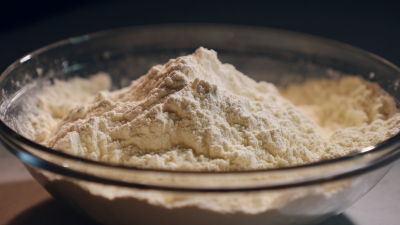
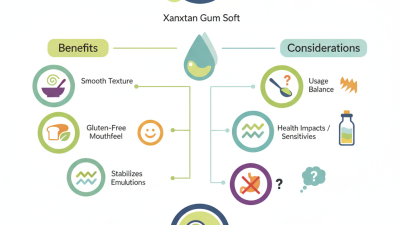
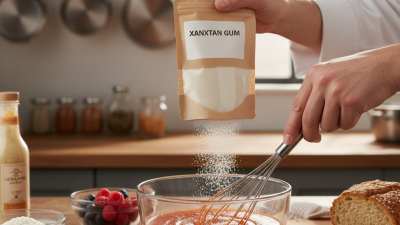
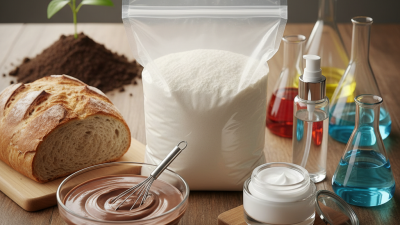
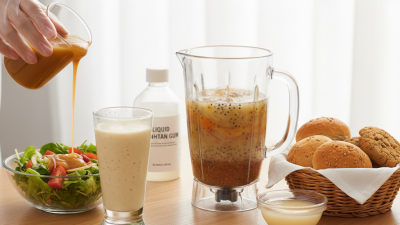
Xanthan gum is a versatile substance widely used across various industries. This natural polysaccharide is produced through a fermentation process involving the bacterium Xanthomonas campestris. Its unique properties make it a crucial ingredient in food, cosmetics, and pharmaceuticals. In food production, it acts as a thickener and stabilizer. It helps maintain texture and enhance mouthfeel in sauces and dressings.
In the cosmetic industry, xanthan gum serves as a popular emulsifier. It helps blend oil and water, creating stable formulations. Many lotions and creams rely on xanthan gum for smooth application and improved texture. Its ability to form gels also makes it essential in personal care products. However, not all xanthan gum is created equal, and sourcing high-quality bulk options is vital for manufacturers.
Xanthan gum can sometimes lead to challenges. Some users report viscosity changes in different temperatures. Additionally, depending on the source, its purity can vary. Ensuring consistent quality is key for production stability. Buyers should seek reputable suppliers who adhere to strict quality controls. This ensures the final product meets industry standards consistently.
Sourcing Quality Xanthan Gum: Key Considerations for Bulk Buyers
When sourcing quality xanthan gum in bulk, buyers must consider several key factors. Selecting a reliable supplier is crucial. A trustworthy supplier will offer consistency in product quality and transparency in sourcing methods. Research the supplier's reputation in the industry. Look for certifications that guarantee product safety and quality.
Another essential aspect is understanding the origin of the xanthan gum. Different regions may produce varying qualities of this ingredient, affecting its texture and performance. Buyers should inquire about production practices and the standards followed during manufacturing. A detailed understanding of these factors can prevent costly mistakes later.
Quality testing is also a vital consideration. Request samples to evaluate the product's characteristics. This allows buyers to assess attributes like solubility and viscosity. However, be prepared for variations that may arise from batch-to-batch differences. Being attentive to these details can significantly impact the end product's effectiveness. Evaluate all aspects carefully, as sourcing xanthan gum involves navigating complex variables.
Best Quality Xanthan Gum Bulk for Global Buyers Available?
| Supplier Country |
Quality Grade |
Pack Size (kg) |
Price per kg (USD) |
Lead Time (Days) |
| USA |
Food Grade |
25 |
15.00 |
14 |
| China |
Industrial Grade |
50 |
10.00 |
21 |
| Germany |
Food Grade |
20 |
20.00 |
7 |
| India |
Pharmaceutical Grade |
10 |
25.00 |
30 |
Top Global Suppliers of Xanthan Gum: A Market Overview
Xanthan gum, a versatile thickening agent, is increasingly popular among global buyers. Its applications span food products, pharmaceuticals, and cosmetics. The demand for high-quality xanthan gum is driven by its ability to enhance texture and stability. According to the global xanthan gum market report, the industry is projected to grow at a compound annual growth rate (CAGR) of 5.1% from 2021 to 2028. This growth underscores the rising need for reliable suppliers.
Top suppliers in the xanthan gum market are key players influencing trends. Many are adapting to changing consumer preferences for natural and organic products. A significant portion of xanthan gum is produced in countries like the United States and China, which together account for over 60% of global production. Notably, suppliers face challenges related to raw material availability and price fluctuations. These factors can affect supply chain stability and pricing strategies.
Certification and quality standards are critical for buyers. Many suppliers are adopting strict quality assurance practices. This is essential to meet the varying regulatory requirements across different markets. However, not all suppliers maintain these standards consistently. Buyers must conduct thorough due diligence to ensure they partner with reputable suppliers who can meet their specific needs.
Quality Control Standards for Xanthan Gum in Bulk Purchasing
When purchasing xanthan gum in bulk, quality control standards play a crucial role. The food and beverage industry demands that xanthan gum meets specific criteria for safety and efficacy. According to the Codex Alimentarius Commission, xanthan gum must have a minimum viscosity of 1000 cP in a 1% solution to ensure optimal performance as a thickener or stabilizer.
Quality assessments often include testing for microbial contamination. A report published by the Institute of Food Technologists noted that up to 10% of xanthan gum products could fail microbial safety standards if not properly monitored. This highlights the importance of sourcing xanthan gum from suppliers who adhere to strict quality control measures.
In addition to viscosity and microbiological safety, moisture content is another critical factor. Excess moisture can lead to agglomeration, affecting the functional properties of xanthan gum. Recent studies indicate that the acceptable moisture level should be below 10%. Buyers should confirm that suppliers provide detailed specifications and testing results to ensure consistency in quality.
Prioritizing these quality control standards will help in securing the best xanthan gum for various applications.
Trends in Xanthan Gum Demand: Implications for Global Trade
Recent trends in the demand for xanthan gum reflect shifting priorities in the global market. According to a recent industry report, the global xanthan gum market reached about 1.9 billion USD in 2022. It is projected to grow at a compound annual growth rate (CAGR) of 5.5% from 2023 to 2030. This growth is attributed to its diverse applications across industries, particularly in food and beverages. As more consumers lean towards gluten-free products, the need for xanthan gum as a thickening and stabilizing agent has surged.
Major regions such as North America and Asia-Pacific dominate the xanthan gum market. The U.S. remains a key player, with significant exports to emerging markets in Asia. However, challenges exist. Supply chain disruptions and fluctuating raw material prices have impacted production schedules. Manufacturers must adapt to these realities, ensuring consistent quality while meeting rising demand.
Consumer awareness of product sourcing and quality can complicate purchasing decisions. Many buyers now seek certifications as indicators of quality.
Data indicates that the food industry consumes nearly 70% of global xanthan gum production. This dependency raises questions about sustainability. As environmental concerns mount, companies must consider eco-friendly sourcing and production practices. The need for transparent supply chains is becoming ever more vital. Balancing quality, cost, and environmental impact will be crucial for stakeholders navigating the evolving landscape of xanthan gum trade.