China Top Food Additives for Global Buyers What to Know?
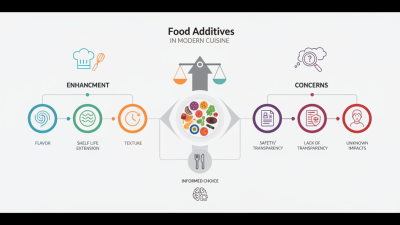
Understanding food additives is crucial for global buyers. They play a significant role in enhancing flavor, preserving freshness, and improving texture. In China, the food additive market offers a variety of options, catering to diverse needs. This guide aims to provide insights into top food additives sourced from China.
The quality and safety of food additives are vital concerns. Buyers must ensure that the products meet international standards. Moreover, navigating suppliers can be overwhelming. Not all vendors guarantee reliability or regulatory compliance. Conducting due diligence is essential to find reputable partners.
In exploring these top food additives, one may encounter a range of ingredients. Some have clear benefits, while others raise questions about their impact on health. Keeping informed about these additives is necessary. The goal is to strike a balance between enhancing food and ensuring consumer well-being. Knowledge empowers buyers to make wise choices.
China’s Role in the Global Food Additives Market: An Overview
China plays a significant role in the global food additives market.
With vast production capabilities, it supplies a wide range of ingredients.
From flavor enhancers to preservatives, the offerings are diverse.
China's exports are crucial for food manufacturers worldwide.
Many rely on these additives to maintain product quality.
The food additives landscape is continually evolving.
Consumers demand cleaner labels and natural options.
This shift prompts Chinese manufacturers to innovate.
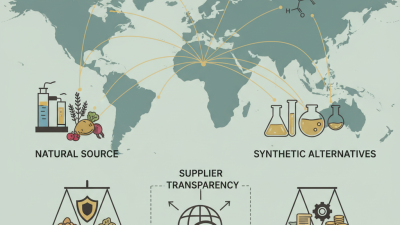
They explore natural sources, aligning with global trends.
However, challenges exist. Striking a balance between cost and quality remains difficult for many.
China's regulatory framework can be complex.
Navigating these laws is essential for international buyers.
Transparency in sourcing and safety standards is vital.
Trust is built through consistent quality.
As buyers engage with Chinese suppliers, they should prioritize
reliability and credibility.
This understanding is crucial for successful partnerships in the competitive global market.
Key Food Additives Produced in China: Composition and Usage
China has become a significant player in the global food additives market. Several key additives are widely produced, each with specific compositions and uses. Monosodium glutamate (MSG), a flavor enhancer, is a prime example. It adds umami to various dishes. MSG is affordable and easy to handle, making it a popular choice among manufacturers.
Another important additive is citric acid. Derived from citrus fruits, it serves as a preservative and acidity regulator. It is often found in beverages and canned foods. Citric acid can enhance flavor profiles while extending shelf life. However, sourcing quality citric acid can be challenging, as not all suppliers maintain rigorous standards.
Additionally, baking soda is commonly used as a leavening agent. Its ability to produce carbon dioxide helps baked goods rise. While widely available, the purity and chemical consistency can vary by supplier. This variance impacts baking results, which can lead to inconsistency in final products. Understanding these complexities is essential for buyers looking to source reliable food additives from China.
Latest Trends in Food Additive Regulations: Global Compliance Standards
The landscape of food additive regulations is shifting rapidly. Global compliance standards are being updated to address health concerns and consumer preferences. According to a recent report by the Food and Agriculture Organization (FAO), nearly 40% of countries have integrated new regulations since 2020. This shift reflects an increased focus on safety and sustainability in food production.
With the rise of organic and clean-label trends, compliance has become essential. Consumers demand transparency in ingredient sourcing. Many countries are now requiring detailed labeling, impacting how food additives are perceived. A 2022 study indicated that over 65% of consumers are willing to pay more for products with clear, reliable labels. This trend pushes companies to rethink their ingredient choices, fostering a more responsible approach to food additives.
However, challenges remain in achieving uniform compliance across borders. Diverse regulations can complicate global trade. Meeting local standards while satisfying international buyers requires expertise and agility. The growing number of restricted additives poses additional hurdles. Companies must continually adapt to these changes or risk falling behind in a competitive market.
Market Demand for Chinese Food Additives: Statistics and Projections
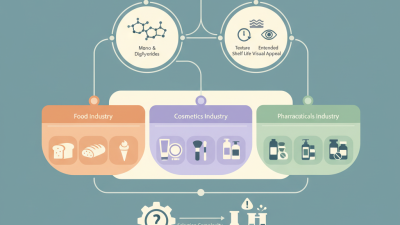
The demand for food additives from China has been on the rise. Various sectors including food processing, beverages, and cosmetics are contributing to this trend. Recent statistics show that the global market for food additives is expected to grow significantly in the coming years. With increasing health awareness among consumers, natural additives are gaining traction.
Chinese manufacturers are stepping up their game. They are focusing on quality and innovation to meet international standards. For instance, many are investing in research and development to create safer and more effective products. However, challenges remain. Some buyers still express concerns regarding quality control and compliance with foreign regulations. This indicates a need for better transparency and traceability in the supply chain.
Interestingly, consumer preferences are evolving. More buyers are seeking clean labels and organic options. This shift is pushing manufacturers to adapt their offerings. While this presents opportunities, the constant changes in market demands can lead to uncertainty. Companies must remain agile to respond effectively. Meeting these challenges will be crucial for sustaining growth in the global food additives market.
Challenges in Sourcing Chinese Food Additives: Quality Control and Safety
Sourcing food additives from China can be challenging. Quality control is often a primary concern for global buyers. Many suppliers may not meet international standards. This raises questions about the safety of these products. Ensuring quality is crucial for the final product's success.
One effective strategy is to visit suppliers in person. This allows buyers to assess manufacturing practices directly. Ask for certifications to verify compliance with safety regulations. Many suppliers may claim they meet standards, but verifying this information is key.
Testing samples before large purchases is another important step. It helps to evaluate the additives' quality and safety. Different batches may vary, and consistency is essential in food products. Conduct thorough research and communicate clearly with suppliers. This builds a solid foundation for a reliable partnership. Remember, comprehensive due diligence is vital for successful sourcing.
China Top Food Additives for Global Buyers: Challenges in Sourcing
| Additive Type |
Common Uses |
Quality Control Measures |
Safety Regulations |
Sourcing Challenges |
| Preservatives |
Used in packaged foods to extend shelf life |
Regular testing of raw materials and final products |
Compliance with FDA and local regulations |
Inconsistent quality and varying standards |
| Flavor Enhancers |
Enhancing the taste of processed foods |
Batch testing for flavor consistency |
Regulated by international food safety agencies |
Traceability and supplier reliability |
| Color Additives |
Used to enhance visual appeal of food products |
Monitoring of acceptable color ranges |
Strict limits on usage levels as per regulations |
Variations in formulation and legal compliance |
| Thickeners |
Added to improve texture and viscosity |
Consistency checks during production |
Food safety standards adhered to globally |
Sourcing high-quality raw materials |
| Emulsifiers |
Used to stabilize mixtures of oil and water |
Frequent quality assessments |
Regulatory compliance checked regularly |
Lack of transparency in ingredient sourcing |