How to Choose Safe Food Additives for Your Business?
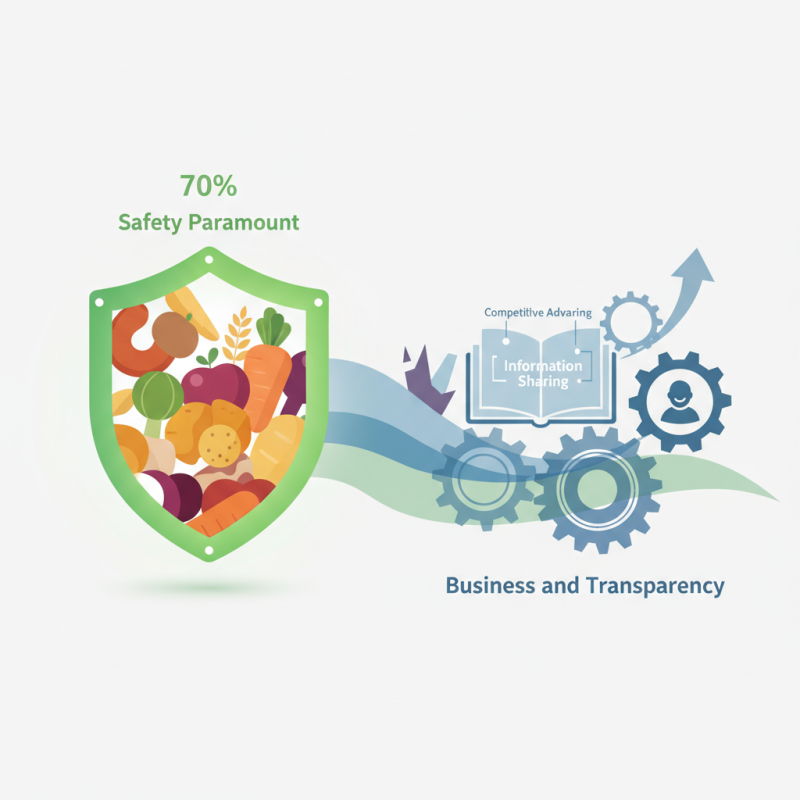
When selecting food additives for your business, safety is paramount. A recent industry report from the Food Safety Authority indicates that approximately 70% of consumers prioritize the safety of food additives in their purchasing decisions. This statistic reflects a growing awareness of health issues linked to certain additives. Businesses must navigate this landscape carefully.
Choosing the right food additives involves understanding their functions and potential risks. For instance, preservatives can extend shelf life but may pose health concerns if consumed in excess. The Center for Science in the Public Interest highlights that some commonly used additives, like certain artificial colors, have been associated with behavioral issues in children. These details warrant careful consideration when sourcing additives.
Moreover, transparency is increasingly important in today’s market. Brands that openly share information about their food additives can build trust with consumers. Industry experts suggest that to stay competitive, businesses should not only comply with regulations but also consider consumer preferences. A well-informed approach can differentiate your brand in a crowded marketplace while ensuring safety and quality.
Understanding the Role of Food Additives in Food Safety Regulations
Food additives are essential for food safety. They enhance preservation and flavor. According to a report by the Food and Agriculture Organization (FAO), over 10,000 additives are authorized for use worldwide. However, not all are safe. It's crucial to understand regulations governing these substances.
Regulations vary by region. In the U.S., the FDA monitors food additives closely. In Europe, the European Food Safety Authority (EFSA) sets stringent standards. Some additives are linked to health risks, necessitating ongoing evaluation. A study showed that 20% of additives may have potential safety concerns that need further research.
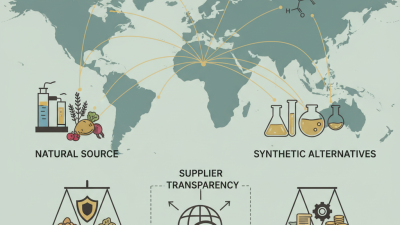
Transparency in ingredient sourcing is vital. Businesses must communicate openly about their additive choices. Consumers are increasingly informed and concerned about food safety. Research indicates that 70% of people read food labels. Companies that prioritize safety build trust and maintain compliance. Balancing safety, cost, and innovation requires careful consideration. This complex landscape demands continuous reflection and adjustment to ensure food safety.
Identifying Safe Food Additives Through FDA and EFSA Guidelines
When choosing safe food additives, understanding FDA and EFSA guidelines is crucial. The FDA evaluates food additives based on safety and effectiveness. For a substance to be approved, manufacturers must provide scientific evidence of safety. Over 80% of these additives undergo rigorous testing before approval. EFSA implements similar processes, ensuring that additives are continuously monitored for potential health risks.
One key aspect of these guidelines is the acceptable daily intake (ADI) established for each additive. This measurement reflects the amount that can be consumed daily over a lifetime without adverse effects. For instance, recent reports show that the ADI for certain color additives is set at 5 milligrams per kilogram of body weight. Yet, many products exceed this limit due to improper labeling or unregulated usage.
A recent study highlighted that nearly 30% of consumers are unaware of the presence of additives in processed foods. This lack of awareness is concerning. Businesses must prioritize transparency in their ingredient lists to enhance consumer trust. While navigating these guidelines can be challenging, vigilance in ingredient sourcing can significantly reduce the risk of health implications.
Evaluating the Safety of Food Additives: Risk Assessment Techniques
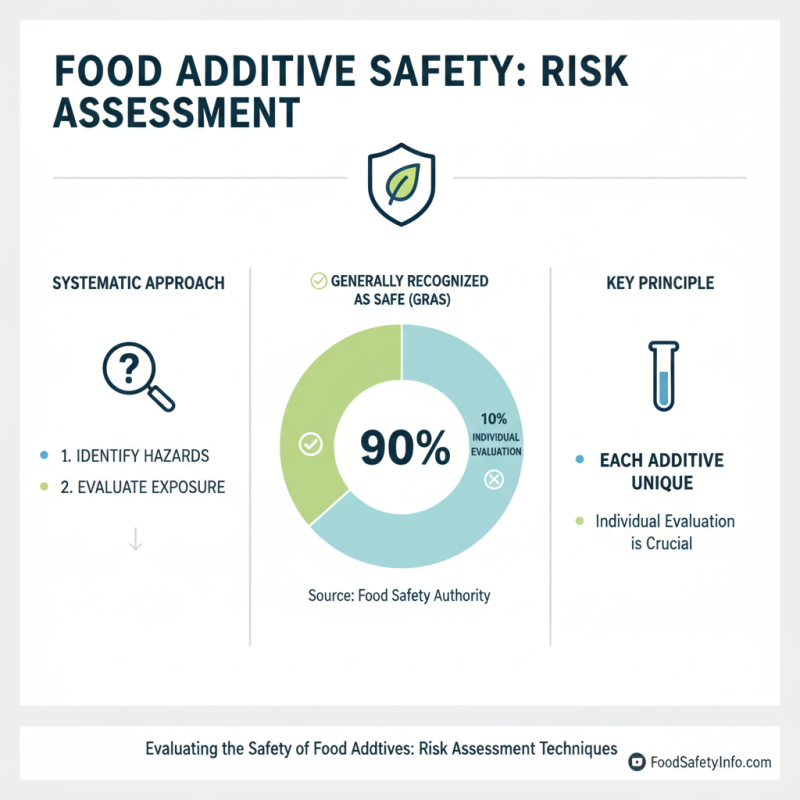
When evaluating the safety of food additives, risk assessment techniques play a crucial role. A systematic approach is necessary to understand potential hazards. The Food Safety Authority reports that around 90% of food additives are generally recognized as safe (GRAS). However, each additive requires individual evaluation.
Risk assessment involves hazard identification, exposure assessment, and risk characterization. Hazard identification focuses on potential health impacts. For example, certain emulsifiers may cause gastrointestinal issues in sensitive individuals. Exposure assessment determines how much of an additive consumers could ingest. A study from the International Food Science Association suggests that frequent use of certain colorings can lead to higher intake levels than previously considered safe.
While these techniques provide a framework, uncertainties remain. Comprehensive studies may not exist for all additives. The absence of data can lead to overconfidence in their safety. Continuous monitoring and research are essential. Reliable sources, such as the Joint FAO/WHO Expert Committee on Food Additives, provide guidance, but varying standards exist across regions. Thus, vigilance and critical thinking remain vital in evaluating food additives.
The Importance of Labeling and Transparency in Food Additive Use
Transparency is critical when it comes to food additives. Consumers increasingly demand to know what’s in their food. They want clear labeling of all ingredients, including additives. This requires businesses to be upfront about their choices. Clear labels build trust with customers. They empower consumers to make informed decisions.
Labeling isn’t just a legal obligation; it reflects a commitment to honesty. Many companies still struggle with this aspect. Some may hide ingredients or use vague terms on labels. This can backfire, leading to distrust. A transparent approach is essential. It allows consumers to consider dietary restrictions, allergies, or preferences. Consequently, businesses benefit from loyal customers who appreciate clarity.
Furthermore, companies should educate staff about additives. Knowledgeable employees can answer consumer questions effectively. This knowledge also extends to sourcing. Using safe and approved additives means less risk. Consequently, it’s imperative to regularly review supplier practices and ingredient lists. Transparency fosters a culture of accountability. It also encourages a more ethical approach to food production.
Current Trends and Innovations in Food Additive Safety Testing
Food additive safety testing is evolving rapidly. New technologies and trends are reshaping how we evaluate these substances. One innovative approach uses advanced analytical techniques. These methods can identify trace contaminants more accurately than traditional testing. This leads to safer products for consumers.
Emerging trends focus on sustainability. Many companies are prioritizing natural additives over synthetic ones. This shift reflects growing consumer demand for cleaner labels. However, natural does not always mean safer. Rigorous testing is still essential, regardless of the source. It’s crucial for businesses to stay informed about these innovations.
There's a growing emphasis on transparency in labeling. Consumers are increasingly education-driven, leading to stricter regulations. Businesses that fail to adapt may find themselves in hot water. Moreover, misinformation about food additives can spread quickly. It’s vital to maintain credible sources of information. Continuous education for teams is equally important. As the landscape changes, businesses must remain vigilant and proactive.
How to Choose Safe Food Additives for Your Business? - Current Trends and Innovations in Food Additive Safety Testing
| Additive Name |
Type |
Purpose |
Safety Rating |
Current Trends |
| Sodium Benzoate |
Preservative |
Prevent mold and bacteria growth |
Generally Recognized as Safe (GRAS) |
Natural alternatives increasing in popularity |
| Carrageenan |
Thickener |
Improve texture |
Debated |
Increased scrutiny and research on health impacts |
| Monosodium Glutamate (MSG) |
Flavor Enhancer |
Enhance umami flavor |
Generally Recognized as Safe (GRAS) |
Shift toward cleaner label demands |
| Ascorbic Acid |
Antioxidant |
Prevent oxidation |
Generally Recognized as Safe (GRAS) |
Natural sources gaining traction |
| Xanthan Gum |
Thickener/Stabilizer |
Stabilize emulsions |
Generally Recognized as Safe (GRAS) |
Increased use in gluten-free products |