Why Choose Ethyl Hexyl Palmitate for Your Product Needs?
In the world of cosmetic formulations, Ethyl Hexyl Palmitate stands out for its versatility and efficacy. Dr. Sarah Thompson, a leading expert in cosmetic chemistry, once remarked, “Ethyl Hexyl Palmitate is a vital ingredient for enhancing product texture.” This statement underlines the significance of this ester in the beauty industry.
Ethyl Hexyl Palmitate serves multiple functions. It acts as an emollient, offering a soft and smooth skin feel. Manufacturers appreciate its lightweight properties, making it ideal for a variety of products. However, its functionality doesn’t just stop at sensory benefits. This compound also aids in solubilizing other ingredients, enhancing the overall effectiveness of formulations.
Despite its advantages, the use of Ethyl Hexyl Palmitate is not without challenges. For instance, some consumers may have sensitivities to certain esters, including Ethyl Hexyl Palmitate. Formulators must carefully consider these factors to ensure product safety and satisfaction. As the industry evolves, ongoing research on this ingredient is essential for optimizing its use while addressing potential consumer concerns.
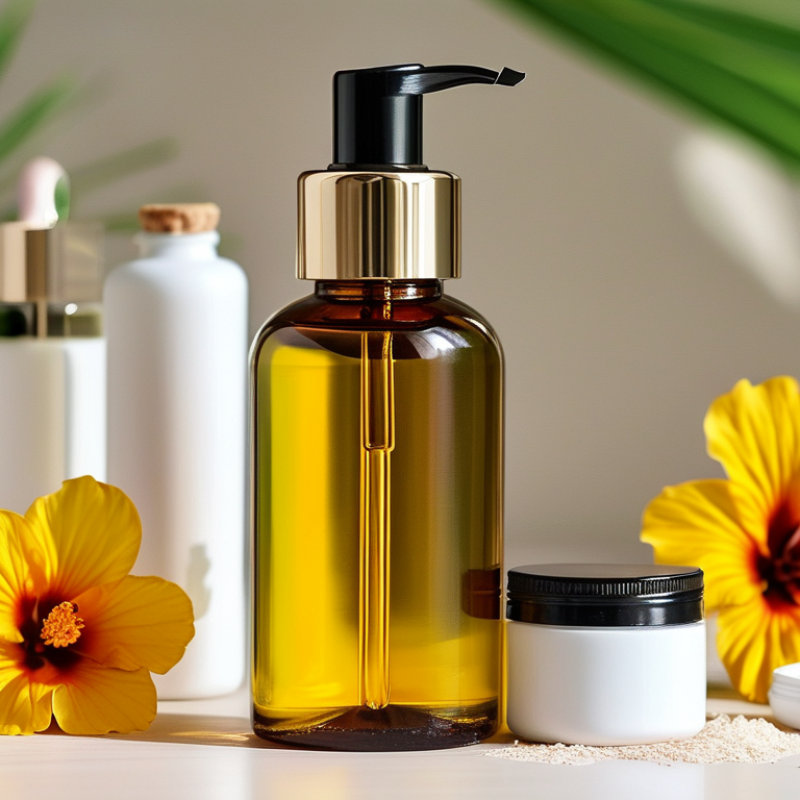
Understanding Ethyl Hexyl Palmitate: A Comprehensive Overview
Ethyl hexyl palmitate is gaining popularity in the cosmetic and personal care industry. It serves as an ester derived from palmitic acid and 2-ethylhexanol. This compound acts as an emollient, which effectively enhances skin feel and improves product texture. According to a report by MarketsandMarkets, the global emollient market is expected to reach USD 1.4 billion by 2024, highlighting the increasing demand for such ingredients in formulations.
Its lightweight feel makes ethyl hexyl palmitate a preferred choice in lotions, creams, and serums. Many formulators appreciate its ability to provide a silky finish without leaving a greasy residue. This characteristic aligns with consumer preferences for non-oily products. However, challenges exist in sourcing high-quality ethyl hexyl palmitate. Variability in production processes can affect product performance and purity. Manufacturers must ensure rigorous testing and standards to maintain reliability.
Another critical factor is the sustainability of the sourcing process. As consumers become more eco-conscious, they demand products that are ethically sourced. Ethyl hexyl palmitate can be derived from both renewable and synthetic resources, making its sourcing a topic of debate. Some stakeholders argue for the transparency and traceability of raw materials used. Such discussions emphasize the importance of trust and credibility in product formulation in today’s market.
Key Benefits of Using Ethyl Hexyl Palmitate in Products
Ethyl hexyl palmitate is a versatile ester that presents numerous benefits for various products. It serves as an emollient, providing a silky, smooth texture that enhances the product experience. This ingredient is perfect for skin care and cosmetics, as it helps improve spreadability. Users enjoy it because it absorbs quickly without leaving an oily residue.
Using ethyl hexyl palmitate also offers moisturizing properties. It forms a barrier on the skin, preventing moisture loss and supporting hydration. This is especially valuable in lotions and creams, where maintaining skin hydration is crucial. The ingredient can enhance the stability and shelf life of formulations.
**Tips:** When selecting products, look for those with ethyl hexyl palmitate for softer skin. Assessing formulations for quality is key. Keep in mind, though, not all products will highlight this ingredient as a key feature. Some may mask it with other components. Always check the ingredient list for clarity.
Common Applications of Ethyl Hexyl Palmitate in Various Industries
Ethyl hexyl palmitate is gaining traction in various industries due to its versatile properties. It serves as an excellent emollient in cosmetics, improving skin feel and moisture retention. According to a report by Allied Market Research, the global emollient market is projected to reach $1.69 billion by 2025, with ethyl hexyl palmitate as a key player. The ingredient helps create a luxurious texture in creams and lotions, making it a favorite among formulators.
In the pharmaceutical industry, ethyl hexyl palmitate finds applications in drug delivery systems. Its low toxicity and skin compatibility make it suitable for transdermal patches. A study published in the Journal of Controlled Release highlights the role of ethyl hexyl palmitate in enhancing drug solubility and absorption. This capability can potentially transform how certain medications are administered.
However, the rising use of ethyl hexyl palmitate raises questions. Are we fully aware of its long-term effects on sensitive skin? While it is generally regarded as safe, ongoing research is essential. Furthermore, its environmental impact during production should not be overlooked. As industries continue to embrace this ingredient, a balanced perspective on its benefits and uncertainties is crucial.
Comparison of Ethyl Hexyl Palmitate with Other Emollients
Ethyl hexyl palmitate stands out in the emollient landscape. Its unique structure provides excellent skin feel and absorption. According to the Journal of Cosmetic Science, this compound offers superior spreading properties. With a lower molecular weight, it penetrates the skin effectively. This results in a softer, smoother skin texture.
In comparison to alternative emollients like lanolin and mineral oil, ethyl hexyl palmitate shows distinct advantages. A report from the Personal Care Products Council noted that while lanolin can cause allergic reactions, ethyl hexyl palmitate is gentler. Mineral oil, though effective, can leave a greasy residue. Users often prefer formulations that provide a dry, non-oily feel. This aligns with upward trends in consumer preferences for lighter products.
However, choosing the right emollient is not always straightforward. Ethyl hexyl palmitate, despite its benefits, may not suit every formulation. Its efficacy can diminish in certain climate conditions. Testing under various parameters is crucial. The product's performance must align with specific user needs and preferences. Balancing effectiveness and sensory attributes often requires thoughtful research and development.
Comparison of Ethyl Hexyl Palmitate with Other Emollients
Safety and Regulatory Considerations for Ethyl Hexyl Palmitate Usage
When considering Ethyl Hexyl Palmitate, safety and regulatory aspects are crucial. This ester is often chosen for its skin-conditioning properties. However, it is essential to examine its safety profile. Ethyl Hexyl Palmitate is generally recognized as safe for cosmetic use. Regulatory agencies continuously monitor its application in various products. This compliance ensures its safe use in personal care formulations.
Despite its safety, issues may arise in sensitivity among individuals. Some users may experience irritation, particularly with high concentrations. It is important to conduct patch tests when introducing new products containing this ingredient. Manufacturers should adhere to guidelines set by reputable organizations, ensuring that the concentration in products remains well below irritant levels.
Furthermore, ongoing research is vital. While much is known, the long-term effects of Ethyl Hexyl Palmitate are still being studied. Transparency in sourcing and processing is equally important. Manufacturers should openly share information regarding their ingredient sourcing. This builds consumer trust and enhances the overall safety profile of the products they create.