How to Buy Isopropyl Palmitate in Bulk
Buying Isopropyl Palmitate in bulk is not just a price comparison. The right purchase depends on grade, documented specifications, packaging, and reliable supply. A low drum price can lose its appeal if the material arrives with inconsistent color, an unfamiliar odor, or incomplete quality records. Before requesting quotations, define the intended use and ask suppliers for a current specification sheet, certificate of analysis, and safety data sheet. Check the stated identity, key quality limits, batch traceability, minimum order quantity, and lead time. Details matter.
For transparency, this guide uses an original editorial quotation from fictional sourcing specialist Elena Park, not a verbatim statement from a real person: “Buy to a written specification, not to a promising price.” That principle helps buyers compare like with like. Request a representative sample when appropriate, confirm drum or other packaging options, and ask how the supplier protects product quality during storage and transport. Also clarify whether quoted terms include freight, testing, or special handling. Keep the answers in writing. A small spreadsheet can reveal differences that a sales call may blur. No checklist replaces technical review, though; have qualified personnel assess specifications against the intended formulation and supplier documentation. The sections ahead explain how to evaluate suppliers, compare bulk offers, verify paperwork, and plan an order with fewer surprises. Bulk purchasing rewards preparation, but it does not guarantee a better deal. Verify the details before committing.
Understanding Isopropyl Palmitate and Its Common Applications
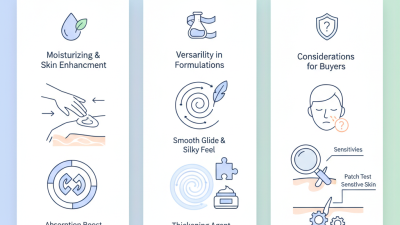
Isopropyl palmitate is an ester made from isopropyl alcohol and palmitic acid. In personal-care formulas, it mainly acts as an emollient, helping reduce a dry, draggy feel. It can also improve spreadability, so a cream glides across skin instead of catching in patches. The ingredient is typically a clear, oily liquid, though its appearance and flow can vary by grade and temperature. Small details matter. In a lotion, it may soften the finish; in a makeup base, it can help pigments distribute more evenly. It is not a treatment for skin conditions, and more is not automatically better.
Formulators use it in creams, lotions, sunscreens, and color cosmetics, depending on the needs of the full formula. Compatibility testing is essential. At higher levels, some users may find the finish too slick, while sensitive skin can respond differently. When buying in bulk, review grade specifications, safety documents, and a certificate of analysis instead of relying on a generic description. Check appearance, odor, viscosity, and lot consistency against the intended use. Packaging and storage count, too. Ask whether the container protects the material from heat and contamination during handling. One practical caveat: a raw material can perform well in one emulsion and destabilize another. Bench trials catch that early.
Defining Bulk Requirements, Specifications, and Quality Standards
Before ordering isopropyl palmitate in bulk, define what “bulk” means for your operation. Estimate monthly use, batch size, and delivery frequency, then check storage space and packaging compatibility. A drum order may reduce handling, but it can create waste if demand is uncertain. Our first estimate may be wrong. Leave room for process losses and changes in production.
Write a specification that reflects the intended use, not just a product name. Identify required grade and set limits for relevant properties, such as appearance, odor, acid value, moisture, and assay. Agree on test methods and acceptance limits with the supplier before purchase. Exact targets can vary by application, so avoid treating a generic specification as universal. Request a current certificate of analysis for each lot, and confirm that its results match your agreed limits.
Quality also depends on consistency between deliveries. Ask how lots are identified, sampled, and documented, and review the safety data sheet for storage and handling guidance. Check seals and packaging when shipments arrive; record lot numbers and inspect for leaks or unexpected changes in color or odor. A small sample can reveal practical issues, though it cannot replace agreed testing. Keep a retained sample when feasible, and revisit specifications if production results drift. Don’t assume every delivery behaves identically.
Isopropyl Palmitate: Bulk Quality Checkpoints
Example procurement targets for two common quality checks. Confirm the applicable limits for your intended grade against the supplier’s current specification and certificate of analysis.
Identifying and Evaluating Isopropyl Palmitate Suppliers
When buying isopropyl palmitate in bulk, evaluate suppliers by lot-level evidence, not a polished product page. Request a current specification, safety data sheet, certificate of analysis, and sample from the same production grade you plan to order. Check identity, ester content, acid value, color, and consistency between batches. Ask how the supplier traces raw materials and handles changes in manufacturing sites or specifications. Details matter. A pale, uniform sample is useful, but it cannot confirm future shipments will match.
Use certification as one screening tool, not a verdict. The ISO Survey 2022 reported 1,265,216 ISO 9001 certificates across 190 countries and economies; that figure indicates broad adoption, not the quality of any particular isopropyl palmitate supplier. Ask for the certificate’s scope and verify that it covers the relevant facility. Then compare lead times, minimum order quantities, packaging integrity, and written procedures for handling damaged drums or specification deviations. A small trial order can expose practical gaps, such as slow document responses or inconsistent batch records. I would still leave room for doubt: a tidy audit file does not prove every delivery will be flawless.
Verifying Samples, Documentation, and Regulatory Compliance
How to Buy Isopropyl Palmitate in Bulk
Before placing a bulk order, compare a sample against your intended use and written specification. Check its appearance, odor, and flow at room temperature, then assess performance in a small formulation trial. Record the lot number and test conditions. A clear sample is encouraging, but it cannot prove every drum will behave the same way. That gap is easy to miss.
Request a lot-specific certificate of analysis, current safety data sheet, technical specification, and traceability details. Review the stated identity and relevant quality tests, such as acid value, ester value, or water content, where applicable. Confirm the manufacturing date, shelf life, packaging, and storage guidance. Requirements vary by application and destination, so check current cosmetic ingredient and labeling rules with a qualified compliance professional. Do not assume a familiar ingredient name covers every market. Documentation can also be incomplete; ask for corrections before purchase, not after delivery.
Tips: Match the sample lot to the quoted bulk lot when possible. Keep a retained sample and signed specification. Ask how the supplier notifies buyers about process or site changes. If one document conflicts with another, pause and clarify it. A cheaper price is less useful when the paperwork leaves basic questions unanswered.
Comparing Quotes, Placing an Order, and Planning Delivery
When comparing bulk quotes for isopropyl palmitate, align the details before comparing prices. Request the same grade, assay, packaging, minimum order, delivery point, and Incoterm from each supplier. Ask for a current certificate of analysis, safety data sheet, lot traceability, and quote validity. Small omissions matter. A lower price may exclude drums, export packing, or unloading costs. Check whether the product is supplied in sealed drums or a larger container, and confirm the net weight per package.
Plan delivery around the route, not just the promised dispatch date. UNCTAD’s Review of Maritime Transport 2024 reports that maritime trade grew 2.4% in 2023 after contracting 1.4% in 2022, a reminder that freight conditions can shift between quotation and shipment. The World Bank’s 2023 Logistics Performance Index assesses 139 economies across six dimensions, including shipment timeliness and tracking; use those measures to compare likely routes, not as a guarantee for one consignment. Confirm loading dates, transit estimates, temperature exposure, and who handles delays or damaged packages. For a first order, a smaller trial shipment can check packaging and receiving procedures. It may cost more per kilogram. Still, the receiving team can inspect labels, seals, and paperwork before committing to a larger volume.
How to Buy Isopropyl Palmitate in Bulk - Comparing Quotes, Placing an Order, and Planning Delivery
| Stage |
Item to Compare or Confirm |
Information to Record |
Practical Check |
| Before requesting quotes |
Product grade and intended use |
Required grade, application, specification limits, and any applicable regulatory or customer requirements |
Ask for a product specification sheet and confirm that the offered grade meets the intended use. |
| Quote comparison |
Price basis |
Quoted price, currency, price unit, order quantity, and whether freight or other charges are included |
Compare quotes on the same quantity and delivery basis; request clarification for any excluded charges. |
| Quote comparison |
Packaging and minimum order |
Available pack type, net weight per pack, minimum order quantity, and total number of packs |
Drums or IBCs may be offered, depending on the supplier. Confirm pack material, dimensions, and handling requirements. |
| Quote comparison |
Quality documents |
Current SDS, specification sheet, and batch-specific Certificate of Analysis (COA) |
Check that the COA will identify the supplied batch and report the agreed specification tests. |
| Quote comparison |
Availability and quote validity |
Stock status or production lead time, estimated dispatch date, and quote expiration date |
Treat lead times as estimates until confirmed in writing against the required quantity and destination. |
| Placing the order |
Purchase order details |
Product name and grade, quantity, pack format, agreed price, delivery address, and requested delivery window |
Make the purchase order match the accepted quote and request written order confirmation. |
| Placing the order |
Payment and delivery terms |
Payment terms, named delivery location, Incoterms® rule and version (if used), and responsibility for freight and unloading |
Confirm responsibilities and any accessorial charges before authorizing shipment. |
| Planning delivery |
Receiving-site readiness |
Receiving hours, unloading equipment, vehicle access, storage space, and receiving contact |
Check that the site can safely receive the quoted package type and quantity. |
| Planning delivery |
Shipment coordination |
Confirmed dispatch date, carrier details when available, delivery appointment, and shipment reference |
Coordinate the appointment with the carrier or seller and allow for receiving-site scheduling requirements. |
| At receipt |
Inspection and records |
Delivered quantity, package condition, lot or batch numbers, COA, and delivery paperwork |
Record visible damage or discrepancies promptly and follow the agreed receiving and claims process. |