Top Sorbate Preservative Types for Global Buyers
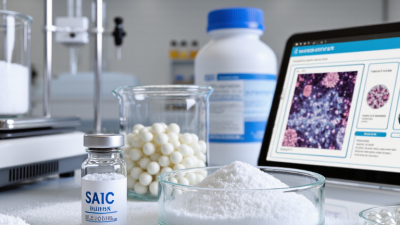
Global buyers comparing Sorbate Preservative options usually start with three forms: sorbic acid, potassium sorbate, and calcium sorbate. They can serve as sources of sorbate, but they differ in solubility, handling, and suitability for a product’s formulation. Potassium sorbate is commonly selected for water-based foods because it dissolves readily. Sorbic acid may suit applications where low water solubility is acceptable. Calcium sorbate is another option, though buyers should verify its authorization and practical suitability for each market. Details matter.
A useful reference is the European Food Safety Authority’s 2015 re-evaluation of sorbic acid and its salts, published in EFSA Journal 13(6), article 4144. The assessment set a group acceptable daily intake of 11 mg per kilogram of body weight per day, expressed as sorbic acid. This is a safety benchmark, not a product-use instruction. For international sourcing, buyers should also consult the Codex General Standard for Food Additives and check current national requirements, food categories, and permitted use levels. Specifications deserve equal attention: assay, moisture, particle size, packaging integrity, and batch documentation can affect manufacturing performance. A neat certificate is not the whole story. This guide compares preservative types through those practical checks, while recognizing that supplier data and local rules can change. Verification remains essential.
What Sorbate Preservatives Are and How They Work
Sorbate preservatives are compounds based on sorbic acid, a naturally occurring fatty acid also produced for commercial food use. Common forms include sorbic acid and potassium sorbate, which dissolves readily in water. They are used to slow the growth of molds and yeasts in foods such as cheese, bakery fillings, and fruit drinks. They do not sterilize food.
Their action depends strongly on acidity. In acidic products, more sorbic acid remains in an undissociated form, allowing it to pass through microbial cell membranes. Inside the cell, it interferes with enzyme activity and normal energy processes. Growth slows, and spoilage may be delayed. The effect is less reliable in foods with a higher pH, so formulation and testing matter.
A practical detail: small changes in acidity can affect performance. A food technologist may check pH, water content, and storage conditions before choosing a suitable sorbate form. Clean handling still matters. Sorbates are not a substitute for sanitation, sound packaging, or appropriate refrigeration. They may also be less effective against some bacteria than against molds and yeasts. That distinction is easy to overlook. Real products can behave differently from simple laboratory tests, so shelf-life claims should rest on product-specific evidence.
The Main Sorbate Types Available to Global Buyers
Global buyers typically compare sorbic acid (E200), potassium sorbate (E202), and calcium sorbate (E203). All can help control yeasts and molds in suitable foods, but their handling differs. Sorbic acid has low water solubility; potassium sorbate dissolves more readily in aqueous mixes. Calcium sorbate is another option, though availability and permitted uses vary by market. Small differences matter. Powder that clumps in a cool mixing tank can slow a production run.
EFSA’s 2015 scientific re-evaluation reported a group acceptable daily intake of 11 mg per kilogram of body weight per day for sorbic acid and potassium sorbate, expressed as sorbic acid. This is a safety benchmark, not a formulation target. Buyers should check assay, moisture, particle size, packaging, and the intended food’s pH. Sorbates generally work better in acidic conditions, where more active undissociated acid is present. Ask for a lot-specific certificate of analysis. Sensory trials remain necessary. A bakery filling and a beverage may behave differently, even with the same preservative. Verify current destination-market requirements before selecting a type.
Top Sorbate Preservative Types for Global Buyers — The Main Sorbate Types Available to Global Buyers
Selection note: Sorbates are commonly used to help control yeasts and molds, particularly in acidic products. Their performance varies with pH, food composition, processing, and storage conditions. Always confirm permitted food categories and use limits in the importing market.
How Sorbate Types Differ in Properties and Use
Sorbic acid, potassium sorbate, and calcium sorbate share a purpose: limiting yeast and mold growth in suitable foods. Their physical properties differ. Sorbic acid dissolves poorly in water, so formulators may need careful dispersion or a suitable premix. Potassium sorbate dissolves more readily, making it easier to add to aqueous products such as syrups and beverage bases. The difference matters. Calcium sorbate has lower water solubility than the potassium salt, and its use can depend on the product format and local availability.
Performance also depends on acidity, moisture, processing, and packaging. Sorbates generally work best in acidic foods; a small change in pH can affect how well they perform. In a mixing tank, an undissolved powder can leave uneven pockets, so operators should check the supplier’s handling guidance and verify distribution in the finished product. Bakery fillings, fruit preparations, and drinks may need different forms and addition methods. There is no universal “best” type. Buyers should compare solubility, food-grade specifications, documentation, and destination-market requirements before selecting one. Some details are easy to miss, especially when a product is reformulated or shipped to a new market.
Where Sorbate Preservatives Are Commonly Applied
Sorbate preservatives are commonly used in foods that can develop mold or yeast during storage. Typical applications include packaged cheese, bakery fillings, fruit preparations, sauces, and some beverages. In cheese, they may help limit surface mold. In fruit fillings, they can support freshness after opening or during distribution. Their usefulness depends on the food’s acidity, moisture, packaging, and storage conditions.
They are not equally effective in every recipe. Sorbates generally work better against yeasts and molds than against many bacteria, and performance can decline in less acidic foods. A beverage, for example, may need careful formulation and hygienic handling; adding a preservative cannot correct poor processing. Results can also vary between batches. That detail is easy to overlook.
Tips: Match the sorbate form and usage level to the product, then verify performance through suitable testing. Check flavor and texture after storage, not just on production day. Keep clear batch records. It is not a cure-all.
What Buyers Should Consider When Selecting a Sorbate Type
Choosing a sorbate type starts with the product, not the price sheet.
Potassium sorbate dissolves readily in water and is often practical for liquid foods and prepared mixes. Sorbic acid may suit formulations where direct acid addition fits the process, but handling and dispersion need checking. Small differences matter.
Check the finished product’s pH, water activity, heat exposure, and packaging before comparing offers. Sorbates generally work best in acidic conditions; performance can decline as pH rises. Supplier guidance is useful, but it cannot replace trials in your own recipe. Test taste, texture, and stability over the intended shelf life. A neat spreadsheet can hide a stubborn mixing problem.
Ask for a current specification, assay, impurity limits, production date, and storage instructions. Confirm which sorbate forms are accepted in the destination market and food category, since requirements vary. Compare lead times, shipping conditions, and lot-to-lot consistency, too. The cheapest grade may cost more if it dissolves poorly or creates rework. That trade-off deserves a real trial.