Leave Your Message

Why Are Synthetic Preservatives Used in Food?

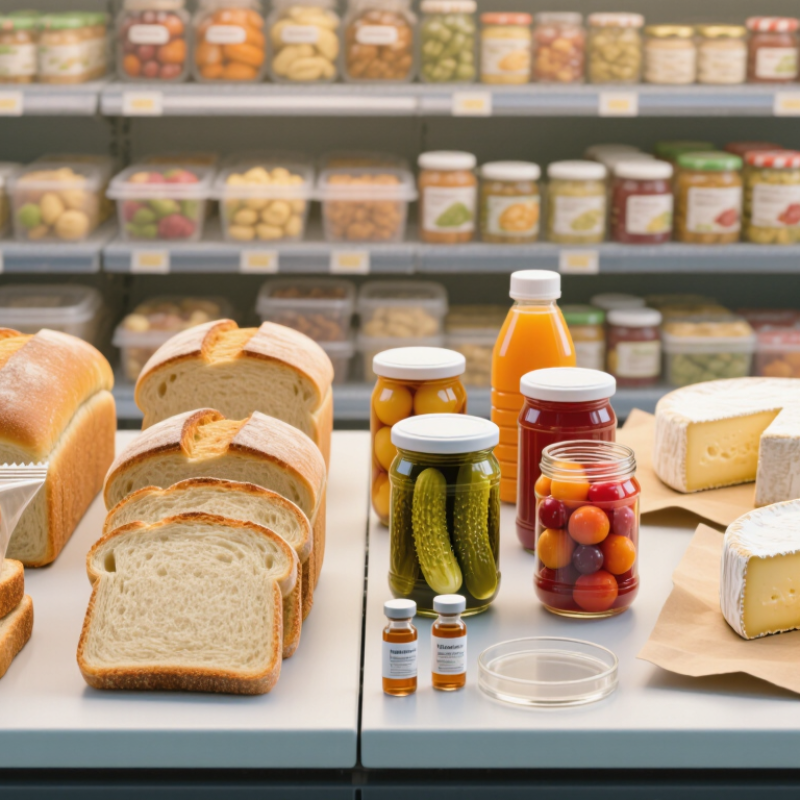
A loaf of bread can sit on a shop shelf for days, while a soft cheese may spoil much sooner. Synthetic Preservatives help slow certain forms of spoilage and keep some foods usable during storage and transport. They can also reduce waste when products travel long distances or remain in a pantry before use. That matters.

The term covers different substances with different jobs. Calcium propionate, for example, can help limit mold growth in bread. Sodium benzoate and potassium sorbate are used in some acidic foods and drinks to slow yeast and mold. Their effects depend on the food, its acidity, moisture, packaging, and storage conditions. A preservative is not a substitute for clean handling or proper refrigeration.

Why use these ingredients instead of relying only on salt, sugar, or cooling? Traditional methods can change flavor, texture, or cost, and refrigeration alone cannot protect every product throughout distribution. Preservatives may offer practical control in carefully formulated foods, but they are not interchangeable, and more is not automatically better. Their use should follow applicable food-safety requirements, with attention to the substance and amount used.

There is a real trade-off. Some shoppers prefer shorter ingredient lists, while manufacturers need products that stay consistent and safe before they reach the table. The details matter more than a simple “good” or “bad” label. Looking at how each preservative works—and where it is used—offers a clearer answer to why food makers choose them.
Why Are Synthetic Preservatives Used in Food?

Food Spoilage and Waste: USDA Estimates 30–40% of the U.S. Food Supply Is Wasted

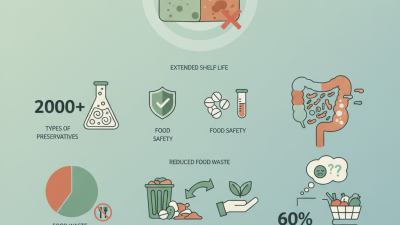
USDA estimates that 30–40% of the U.S. food supply is wasted. A 2014 USDA Economic Research Service analysis estimated that about 31% of available food was lost at retail and consumer levels. It valued those losses at roughly $161 billion. The waste includes food discarded in stores and homes. A bruised apple or forgotten leftovers may seem minor. Across millions of kitchens, they add up.

Synthetic preservatives can slow spoilage caused by mold, bacteria, or oxidation in certain foods. That can help products stay usable during storage and transport, reducing some avoidable losses. But preservatives cannot prevent waste caused by overbuying, poor stock rotation, or food left uneaten. Not a cure-all. I sometimes underestimate how quickly fresh food gets overlooked; packaging alone cannot fix that.

Tips: Keep your refrigerator at 40°F (4°C) or below, as USDA food-safety guidance recommends. Move older items to the front, label leftovers with dates, and freeze portions you will not use soon. These small habits tackle household waste directly.
How Synthetic Preservatives Slow Microbes, Oxidation, and Enzyme Activity

Synthetic preservatives are used because food can change long before it looks spoiled. In a moist sauce, for example, yeast or mold may grow after opening. Sorbates and benzoates can slow the growth of certain microbes, especially in acidic foods. Their effect depends on the recipe, concentration, storage, and the organism involved. They do not make food sterile. Temperature still matters.

Other preservatives target different changes. Oxidation occurs when oxygen reacts with fats, causing stale flavors and odors; some synthetic antioxidants slow this reaction. Sulfites can limit browning in certain foods, while acidity regulators can make conditions less favorable for some enzymes and microbes. Not every additive does everything. Small changes matter. A preservative may work well in one food and poorly in another. That complexity is easy to miss when reading a label. Preservatives can extend usable life, but they cannot restore freshness or replace careful handling. I also find it worth remembering that longer shelf life is practical, not proof of better nutrition.

Why Are Synthetic Preservatives Used in Food?

How synthetic preservatives slow microbes, oxidation, and enzyme activity

Weak-acid preservatives such as benzoic, sorbic, and propionic acids are generally more effective against microbes in acidic foods, where a greater share remains undissociated and can enter microbial cells. Their approximate pKa values are shown above; pKa alone does not determine effectiveness. Other preservatives, including antioxidants and sulfites, can slow oxidation or inhibit enzyme-driven browning. The effect depends on the food, its pH, and storage conditions.

Choosing Preservatives by Food Type, Acidity, and Target Microorganisms

Synthetic preservative choice starts with the food, not a generic shelf-life target. A moist sliced loaf faces mold differently from a tart fruit filling or a salty sauce. Each product has its own acidity, available moisture, fat content, and packaging conditions. These details shape which microorganisms can grow and which preservation approach may help.

Acidity matters. Benzoates and sorbates generally work best in acidic foods, where more of the preservative remains in its active form. Sorbates are often used to limit yeasts and molds in products such as fruit preparations. Propionates can help control mold in bakery foods. But an ingredient cannot compensate for poor sanitation, uneven mixing, or a damaged seal.

Target microorganisms should guide the decision. A preservative aimed at mold may not control bacteria that matter in another food. Processors also consider taste, texture, storage temperature, and how the food will be eaten. A sour filling may tolerate a sharper ingredient than a delicate cream dessert. There is no perfect shortcut. I would still question any choice made from pH alone. Real foods are messier than a chart, and testing under intended storage conditions matters.

Why Are Synthetic Preservatives Used in Food? — Choosing Preservatives by Food Type, Acidity, and Target Microorganisms

Food type Preservative example Acidity or conditions Main target microorganisms How it is used and key considerations
Acidic soft drinks, fruit beverages, and sauces Sodium benzoate or potassium benzoate Most effective in acidic foods, commonly below pH 4.5; effectiveness increases as pH falls. Yeasts and molds; some bacteria are also inhibited. Used to help control spoilage in acidic products. The permitted foods and maximum levels depend on local regulations.
Fruit fillings, jams, pickles, and acidic beverages Potassium sorbate or sorbic acid Works best in acidic conditions; antimicrobial activity generally decreases as pH rises. Molds and yeasts, including spoilage yeasts. Often chosen when mold or yeast control is the main need. It does not replace hygienic processing or suitable storage.
Bread and other baked goods Calcium propionate or sodium propionate Used in dough and baked products; activity depends on product formulation and acidity. Molds and rope-forming bacteria, including some Bacillus species. Helps delay mold growth during storage. The appropriate permitted form and amount vary by jurisdiction and product.
Cured meats, such as certain ham and sausage products Sodium nitrite or potassium nitrite Effectiveness depends on the curing system and processing conditions, not acidity alone. Clostridium botulinum, the bacterium that can produce botulinum toxin under suitable conditions. Also contributes to cured-meat color and flavor. Use is tightly regulated; nitrite is not a substitute for temperature control or safe processing.
Dried fruit and some acidic drinks or processed foods Sulfur dioxide, sodium sulfite, or sodium metabisulfite Often used in acidic products; effectiveness and stability depend on pH and processing conditions. Yeasts, molds, and some bacteria; sulfites can also slow enzymatic and non-enzymatic browning. May serve both preservation and color-protection functions. Sulfites can cause reactions in sensitive people and must be declared when required by law.
Processed foods in which oxidation is a concern BHA or BHT Not selected primarily by pH; performance depends on the food’s fat content, formulation, and exposure to oxygen. Not primarily antimicrobial; these antioxidants help slow oxidation and rancidity rather than directly control bacteria, yeasts, or molds. Included here to distinguish antioxidant preservatives from antimicrobial preservatives. Their permitted uses and limits are regulated by food type and jurisdiction.

Selection note: A preservative’s suitability depends on the food’s pH, water activity, processing method, packaging, storage temperature, and the organisms of concern. Examples are general food-science information, not formulation instructions; permitted additives and use levels vary by jurisdiction.

FDA Limits Sodium Benzoate Use in Food to 0.1%

Sodium benzoate helps slow the growth of certain yeasts, molds, and bacteria in food. The U.S. Food and Drug Administration limits its use to 0.1% of a food’s weight. That equals about one gram per kilogram. It is a ceiling, not a recommended amount for every product.

The limit can sound large or small, depending on how it is read. A jar of acidic fruit filling, for example, may need only a small quantity to help maintain quality after processing. Sodium benzoate works best in acidic conditions, so its usefulness varies across foods. Manufacturers are expected to use preservatives under good manufacturing practices, rather than treating the maximum as a target.

Numbers need context. The 0.1% limit does not mean every food contains that amount, and it does not describe a typical serving. Check the ingredient list if you want to know whether a product contains sodium benzoate. Still, a label cannot tell you the exact quantity. That part is easy to miss.

Balancing Shelf Life, Food Safety, and Product Quality in Formulation

Synthetic preservatives help slow spoilage when refrigeration, drying, or airtight packaging cannot provide enough protection alone. In acidic foods, selected preservatives can restrain yeasts and molds, helping products keep their intended flavor and texture for longer. They do not make unsafe food safe. The World Health Organization estimated that contaminated food caused 600 million illnesses and 420,000 deaths worldwide in 2015. That scale makes food safety controls essential, though preservatives are only one part of a wider system.

Formulators must balance microbial control with taste, texture, and consumer expectations. A preservative level that works in one recipe may fail in another because acidity, moisture, packaging, and storage temperatures all matter. Testing the finished product under realistic conditions is crucial. The compromise is real. Too little protection can shorten shelf life; too much can leave an unwanted aftertaste. FAO’s The State of Food and Agriculture 2019 estimated that 14% of food was lost between harvest and retail globally. Better preservation may help limit losses, but it cannot solve every cause. Shelf-life targets should be evidence-based, and the formulation should be checked again when ingredients or packaging change. That last step is easy to overlook.