Top 10 Benefits of Liquid Xanthan Gum for Global Buyers?
Liquid Xanthan Gum is gaining popularity among global buyers. Its unique properties make it a valuable ingredient in various industries. This versatile gum is derived from the fermentation of sugar by the Xanthomonas campestris bacterium. It offers thickening, stabilizing, and emulsifying qualities.
Manufacturers appreciate Liquid Xanthan Gum for its ability to enhance product texture and consistency. In the food industry, it is used in sauces, dressings, and bakery items. Its effectiveness as a stabilizer helps to maintain quality during storage. However, the benefits are not limited to food. Cosmetic and pharmaceutical industries also find it useful.
Buyers should be aware of the potential challenges. Sourcing high-quality Liquid Xanthan Gum can be tricky. Variability in production methods may impact performance. Understanding the specifications and applications is essential. With informed decisions, buyers can leverage the advantages of Liquid Xanthan Gum effectively.
Understanding Liquid Xanthan Gum: What It Is and How It Works
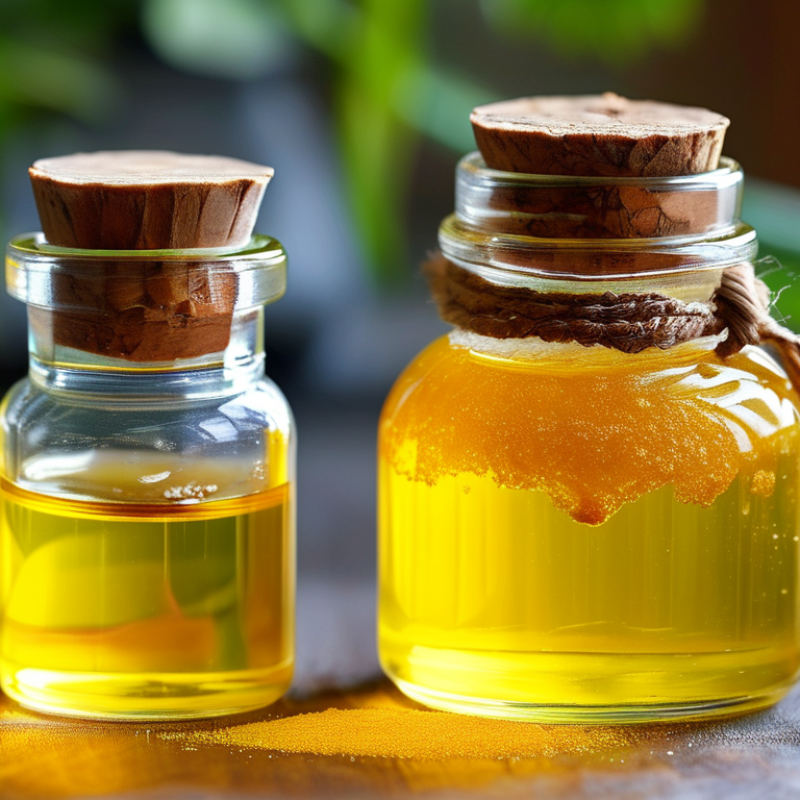
Liquid xanthan gum is a versatile thickening agent used in various industries, from food to cosmetics. It is derived from the fermentation of sugars by the bacterium Xanthomonas campestris. This biopolymer can create gel-like textures, improving the mouthfeel of food products. Its ability to stabilize mixtures makes it invaluable for formulators.
One of the key benefits of liquid xanthan gum is its effectiveness at low concentrations. Even a small amount can significantly enhance viscosity. This characteristic allows for cost-effective formulations. Moreover, it is easy to disperse in both hot and cold liquids. This flexibility is essential in product development.
Many users may overlook its unique role in gluten-free products. Liquid xanthan gum replaces the elasticity typically provided by gluten. However, achieving the right balance can be challenging. Overuse can lead to a slimy texture. This makes understanding the precise measurements crucial for optimal results. Through careful experimentation, users can harness its full potential in diverse applications.
Key Nutritional and Functional Benefits of Liquid Xanthan Gum
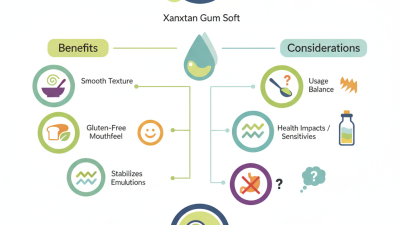
Liquid xanthan gum has gained attention for its unique nutritional and functional benefits. As a thickening agent, it enhances the texture of various food products. This property can improve mouthfeel, making beverages and sauces more enjoyable. The ability to create stable emulsions makes it a favorite among food scientists. Moreover, it serves as a gluten substitute in baking, which is crucial for gluten-free diets.
Nutritionally, liquid xanthan gum contains soluble fiber. This fiber aids digestion and can help regulate blood sugar levels. It's valuable for those seeking healthier options. Additionally, it may support weight management by promoting satiety. For consumers looking to incorporate healthier ingredients into their meals, liquid xanthan gum is an appealing choice.
Despite these advantages, some users may need to experiment with its concentration. High amounts can lead to an overly viscous texture, which may not be desirable in certain recipes. This trial-and-error aspect of using xanthan gum highlights the importance of understanding its properties. Not every application may yield the perfect result. It's essential to reflect on the balance between functionality and texture in food products.
Top 10 Benefits of Liquid Xanthan Gum for Global Buyers
| Benefit |
Description |
Nutritional Value |
Functional Properties |
| Thickening Agent |
Enhances viscosity in various food products. |
Low in calories |
Provides stable texture |
| Stabilizer |
Helps maintain consistency and stability in emulsions. |
Contains soluble fiber |
Prevents separation of ingredients |
| Texture Improvement |
Improves mouthfeel in beverages and sauces. |
Rich in polysaccharides |
Enhances creaminess |
| Low-Calorie Alternative |
Acts as a low-calorie substitute for fat in recipes. |
Zero fat |
Maintains taste without added calories |
| Gluten-Free |
Safe for people with gluten allergies or celiac disease. |
Natural source |
Versatile in various recipes |
| Foaming Properties |
Helps to stabilize foams in beverages and desserts. |
Supports digestive health |
Creates appealing presentation |
| Film-Forming Ability |
Forms a protective coating in food to retain moisture. |
Hydration benefits |
Extends shelf life |
| Increased Yield |
Enhances the yield of products by providing better flow properties. |
Improves nutrient absorption |
Efficient ingredient usage |
| Microbial Stability |
Helps in controlling the growth of unwanted microorganisms in products. |
Supports a healthy gut |
Enhances product safety |
| Cost-Effective |
Reduces overall formulation costs by maximizing ingredient performance. |
Promotes budget-friendly formulations |
Sustains quality while reducing costs |
Applications of Liquid Xanthan Gum in Various Industries
Liquid xanthan gum is a versatile ingredient used across various industries. Its unique thickening and stabilizing properties make it invaluable in food production, cosmetics, and pharmaceuticals. In the food industry, it is often added to sauces, dressings, and baked goods to improve texture and shelf life. Liquid xanthan gum creates a smooth consistency and prevents ingredient separation.
In cosmetics, this ingredient plays a crucial role as well. It is commonly found in lotions, creams, and gels. The presence of liquid xanthan gum enhances the product’s spreadability. Users often notice a pleasant and consistent application. In pharmaceuticals, xanthan gum is utilized as a binder in tablets. It also helps in formulating suspensions and emulsions.
However, the sourcing and quality of xanthan gum can vary. It’s essential to ensure that the suppliers provide reliable products. Buyers should consider certifications and quality assessments. This attention to detail can prevent issues with product performance. Being well-informed about the applications of liquid xanthan gum allows industries to use it effectively. Understanding its strengths and weaknesses leads to better formulations and customer satisfaction.
Comparative Analysis: Liquid Xanthan Gum vs. Other Thickeners
Liquid xanthan gum has emerged as a favored thickening agent in various industries, particularly in food and cosmetics. Its unique properties lend to smooth textures and stable emulsions. Compared to other thickeners like guar gum and locust bean gum, liquid xanthan gum offers superior viscosity stability over a wide temperature range. According to a recent industry report, liquid xanthan gum maintains its thickening effect in both high and low temperatures, outperforming competitors in multiple applications.
When considering performance, liquid xanthan gum has a remarkable ability to thicken under shear stress, becoming highly viscous when stirred. This contrasts with gums like guar, which can lose effectiveness under similar conditions. A study published in the Journal of Food Science reveals that liquid xanthan gum maintains its thickening characteristics even in acidic environments. This feature is particularly advantageous for products like salad dressings and sauces. However, xanthan gum can sometimes lead to stringiness, a quality that might not appeal to all consumers.
The global market for thickening agents, including xanthan gum, is expected to expand significantly. A report by Grand View Research predicts a compound annual growth rate of over 5% from 2021 to 2028. As making eco-friendly and health-conscious choices becomes a priority for buyers, liquid xanthan gum stands out due to its plant-based origin. While it shows promising benefits, the industry must assess consumer perception and address any potential textural issues that may arise. This ongoing refinement process ensures that liquid xanthan gum meets evolving market demands effectively.
Buying Considerations: How to Choose Quality Liquid Xanthan Gum
When choosing quality liquid xanthan gum, several factors should be considered. Look for suppliers that can provide certifications and test results. These documents verify purity and quality. Transparency from suppliers indicates reliability. Consider the production method as well. Some methods may yield better quality than others.
Tips: Check if the xanthan gum is non-GMO. Non-GMO products can be an important factor for many buyers. Look for information on how it was processed to understand its quality.
Another important aspect is the viscosity and solubility of the product. High-quality xanthan gum should dissolve easily in various conditions. Testing small samples can illustrate how well it performs in your specific applications. Be aware that variations may occur between batches. Always request samples before making large purchases.
Tips: A reliable supplier often offers small batches for testing first. This helps you evaluate performance without a significant investment. Always read user reviews and reach out to previous customers for their experiences. The feedback can provide valuable insights into the supplier's trustworthiness.