Ethyl Hexyl Palmitate Benefits for Global Buyers and Suppliers?
Ethyl Hexyl Palmitate is gaining prominence in various industries, particularly in cosmetics and personal care. According to a report by Grand View Research, the global cosmetics market is projected to reach over $800 billion by 2025. This indicates a growing demand for effective and safe ingredients like Ethyl Hexyl Palmitate. This ingredient, derived from palm oil and alcohol, serves as an emollient and solvent, enhancing product texture and absorption.
Moreover, the skincare segment is rapidly expanding, with the demand for natural and organic formulations increasing. A survey by Statista revealed that 54% of consumers prefer products with natural ingredients. Ethyl Hexyl Palmitate fits this trend, providing a versatile option for formulators. However, it's essential to consider sustainability issues surrounding palm oil production. Ethyl Hexyl Palmitate offers benefits but requires mindful sourcing to ensure ethical practices.
Buyers and suppliers must navigate these complex dynamics. While Ethyl Hexyl Palmitate holds significant potential, not all suppliers adhere to sustainable practices. Transparency in sourcing and formulation is crucial. Suppliers should be equipped to provide detailed information on their products, addressing consumer concerns about sustainability and efficacy. The future of Ethyl Hexyl Palmitate hinges on balancing performance with ethical considerations.
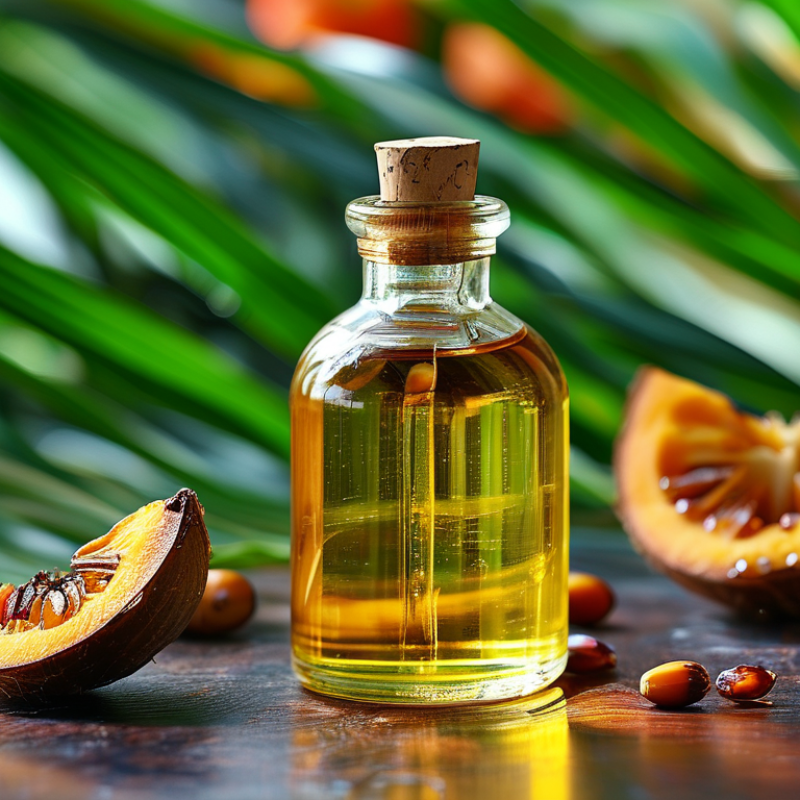
Understanding Ethyl Hexyl Palmitate: An Overview
Ethyl hexyl palmitate is a versatile compound frequently used in cosmetics and personal care products. This ester is derived from palmitic acid and is valued for its emollient properties. It hydrates the skin, making it feel soft and smooth. This is crucial for formulators aiming for high-quality products.
In terms of functionality, ethyl hexyl palmitate acts as an excellent solvent. It can dissolve various ingredients effectively. This makes it an essential component in formulations. However, it's important to note that using it in high concentrations may lead to a greasy feel. Brands must balance this to achieve the desired texture.
Tips for buyers include verifying sourcing practices. Sustainable sourcing can enhance product quality. Suppliers should provide transparency about their production methods. This builds trust and ensures accountability. Always consider testing samples before bulk orders. This allows for adjustments to meet specific formulation needs.
Chemical Properties and Composition of Ethyl Hexyl Palmitate
Ethyl hexyl palmitate is an important chemical compound in various industries. Its composition includes fatty acids and alcohols, making it versatile. The chemical formula is typically C20H40O2. This compound is derived from palmitic acid and ethanol, showing a unique alignment of chemical properties.
One notable feature is its excellent emollient properties. It creates a smooth skin feel, widely used in cosmetics. However, not all formulations benefit from its presence. Some products may experience greasiness or residue, leading to consumer dissatisfaction. Testing is essential to find the right balance in formulations.
Additionally, ethyl hexyl palmitate acts as a solvent for other ingredients. This ability enhances the stability and effectiveness of various formulations. The compound's hydrophobic nature can sometimes limit its use in water-based products. Buyers and suppliers must understand these nuances for successful applications. A comprehensive understanding of its properties is crucial.
Key Benefits for Global Buyers: Industry Applications and Uses
Ethyl hexyl palmitate is gaining traction across various industries due to its versatile nature. This compound is frequently used in cosmetics, personal care, and even food applications. According to recent market analyses, the global market for personal care ingredients is projected to reach $13.3 billion by 2025. Ethyl hexyl palmitate plays a significant role in this growth, enhancing product performance and user experience.
In cosmetics, this ingredient serves as an emollient, providing a smooth texture. It improves the spreadability of creams and lotions. According to a study by Grand View Research, 40% of consumers prefer products with light, non-greasy formulas. Ethyl hexyl palmitate helps achieve this quality. It also offers skin-conditioning properties that can increase customer satisfaction. For formulators, this ingredient enables the creation of products that meet evolving consumer demands.
However, there are challenges to consider. Sourcing high-quality ethyl hexyl palmitate can be difficult due to the variability in production methods. Buyers must ensure the reliability of their suppliers. Additionally, the ingredient's environmental impact is being scrutinized more carefully. Some reports indicate a shift towards sustainable sourcing. This trend emphasizes the need for transparency in supply chains. Suppliers and buyers alike must adapt to these evolving expectations to remain competitive.
Supplier Considerations: Sourcing and Quality Assurance
When sourcing Ethyl Hexyl Palmitate, suppliers should prioritize quality assurance. High-quality materials enhance product performance. Reliable sourcing impacts the end user’s satisfaction. Analyze suppliers’ certifications and their sourcing methods. Documentation plays a significant role in verifying product quality.
Tips: Always request samples before committing to bulk orders. This helps in assessing the material’s purity and effectiveness. Regular audits of suppliers ensure they adhere to industry standards.
Another important factor is transparency. Suppliers should openly share their production processes. This builds trust and allows buyers to make informed decisions. Keep communication channels open to discuss any quality concerns. It’s beneficial to establish a long-term relationship with reliable suppliers.
Tips: Create a checklist to evaluate potential suppliers. Include criteria like production capacity, quality control measures, and delivery timelines. Monitor market trends to adapt sourcing strategies accordingly. This proactive approach fosters better supplier collaboration.
Market Trends and Demand for Ethyl Hexyl Palmitate Globally
The global demand for Ethyl Hexyl Palmitate continues to rise, driven by its multifunctional benefits in personal care and cosmetics. According to a recent market analysis, the global cosmetic ingredients market is expected to reach $25 billion by 2025. Ethyl Hexyl Palmitate, known for its emollient properties, plays a crucial role in formulating skin care products. The compound enhances skin softening and improves the texture of various formulations.
Market trends indicate that consumers are increasingly focused on sustainable ingredients. A report from Grand View Research highlights that over 60% of consumers prefer products with natural origins. As a result, suppliers must consider sourcing Ethyl Hexyl Palmitate from renewable resources. This reflects a significant shift in buyer preferences towards eco-friendly solutions, which creates both challenges and opportunities for suppliers.
Despite its advantages, there are still concerns regarding the processing methods of Ethyl Hexyl Palmitate. Some production methods may involve solvents that raise safety questions. Therefore, suppliers must prioritize transparency in their production practices. This is essential to gain trust in a market that values ingredient integrity. The complexity of meeting diverse consumer needs while ensuring safety means the market for Ethyl Hexyl Palmitate will require ongoing innovation and improvement.