Sourcing Ethyl Hexyl Palmitate in 2026 requires more than comparing prices on a supplier website. Buyers need a clear specification, verified documentation, and a realistic understanding of supply risks. This cosmetic emollient is commonly selected for its smooth skin feel, lightweight spreadability, and compatibility with many personal care formulas. However, performance can vary between batches. Small differences in odor, color, acid value, or ester purity may affect a finished cream.
A reliable sourcing process begins with defining the intended application and required grade. Ask suppliers for a current technical data sheet, safety data sheet, certificate of analysis, and traceability information. Check key details, including assay, residual solvents, moisture, heavy metals, packaging, and recommended storage conditions. A sealed drum should show a legible lot number and production date. That detail matters during quality investigations. Supplier experience also deserves attention. Review manufacturing capability, quality systems, export history, and response times for technical questions. Independent laboratory testing can confirm critical results before a large purchase.
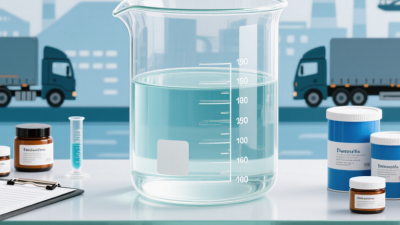
Price is important, but it should not dominate the decision. Freight costs, minimum order quantities, lead times, and rejected-batch procedures can change the true landed cost. Samples should be tested in the actual formulation, not only in a beaker. That is where unexpected drag or instability may appear. Buyers should also reassess suppliers periodically, because market conditions and raw material sources change. No sourcing plan is perfect. A practical, documented, and evidence-based approach remains the safest foundation for purchasing Ethyl Hexyl Palmitate in 2026.

Ethyl hexyl palmitate is a lightweight ester made from palmitic acid and 2-ethylhexanol. It appears as a clear, oily liquid with a mild odor. Cosmetic formulators use it as an emollient, spreading agent, and skin-conditioning ingredient. It can create a smooth, dry-feeling finish in creams, lotions, sunscreens, makeup, and hair products. Texture matters. Its market role in 2026 remains closely linked to demand for elegant, non-greasy personal-care formulas.
Sourcing requires more than comparing quoted prices. Buyers should review the certificate of analysis, safety data sheet, specification limits, and production date. Important checks include purity, acid value, color, odor, viscosity, and residual solvent information. Packaging also matters, especially when the material travels through warm warehouses or long sea routes. A sealed drum can protect quality, but poor storage records still create uncertainty.
Qualified suppliers should provide traceability from raw materials to shipment. Ask about manufacturing controls, batch consistency, minimum order quantities, lead times, and change-notification procedures. Independent testing can confirm identity before larger purchases. In practice, the cheapest offer may become expensive after delays or failed quality checks. Market data can also be incomplete. Forecasts change, and regional supply can tighten unexpectedly. A careful sourcing plan should leave room for verification, alternative suppliers, and honest review when assumptions prove wrong.
Ethyl hexyl palmitate should be sourced against a clear technical specification, not price alone. In practical procurement, begin with identity confirmation, CAS number, appearance, odor, and purity. The material should normally appear as a clear, colorless to pale-yellow liquid. Any strong rancid odor deserves investigation. Ask for the latest certificate of analysis, safety data sheet, batch number, and manufacturing date.
Key specifications usually include acid value, saponification value, iodine value, moisture, color, and specific gravity. Set numerical limits before comparing suppliers. For cosmetic applications, low odor and stable color are especially important. For laboratory or formulation work, consistent viscosity and oxidation performance may matter more. Residual solvents, heavy metals, and microbiological results should match the intended use and regional requirements. ISO-based quality systems can support reliability, but certification alone is not proof of every batch.
Request a representative sample and test it under your own conditions. Check spreadability on skin or a formulation plate, then observe color changes after heat and light exposure. One overlooked detail is packaging headspace; excessive air can accelerate oxidation. A low acid value helps, but it cannot prove long-term stability. I have seen specifications look complete while storage history remained unclear. Ask about traceability, transport temperature, complaint handling, and retest procedures. The best supplier provides consistent records, not just attractive numbers.
How to Source Ethyl Hexyl Palmitate in 2026?
Qualified Ethyl Hexyl Palmitate suppliers need more than attractive pricing. Grand View Research estimates the global emollients market could grow at about 5% annually through 2030. This expansion increases pressure on raw material consistency. Ask for the CAS number, manufacturing site, production capacity, and batch traceability. Request recent COAs, not generic templates. A reliable COA should show appearance, identity, acid value, saponification value, purity, and water content. Check whether test methods are clearly stated.
Look closely.
Supplier documents should include an SDS, technical data sheet, allergen statement, origin declaration, and change-control procedure. ISO 9001 certification can support quality management, but it does not prove every batch meets your specification. Conduct a remote or on-site audit when volumes justify it. Inspect labeled drums, retained samples, calibration records, and complaint handling. Independent testing is useful. FTIR can confirm identity, while chromatography can reveal unexpected impurities or blended material. The 2024 OECD chemical safety work emphasizes reliable hazard and exposure data, so incomplete safety information deserves careful questioning. I would also compare three consecutive lots before approval. One acceptable sample proves little. Supplier evaluations can still miss seasonal feedstock changes; that is a weakness worth acknowledging. Put written limits, notification periods, and requalification triggers into the purchasing agreement.
Pricing begins with feedstock, purity, packaging, and delivery terms. Palm-based inputs can shift with weather, fertilizer costs, and biodiesel policies, as noted in the World Bank Commodity Markets Outlook. Public UN Comtrade records often group similar esters under broad customs codes. Direct price comparisons can therefore mislead. Request a fixed specification, recent certificate of analysis, and a clear validity period. A low quote may hide higher freight, testing, or port charges.
Regulatory checks should cover the destination market, not only the manufacturing country. ECHA guidance requires careful substance identification, safety data, and classification review for European supply. Comparable obligations may apply under chemical-control systems elsewhere. Check the SDS, allergen statements, impurity limits, and intended cosmetic or industrial use. Logistics also deserve attention. UNCTAD reports that more than 80% of global merchandise trade by volume moves by sea. Rerouting, container shortages, and port congestion can quickly extend lead times. Ethyl hexyl palmitate may arrive in drums or IBCs, so inspect seals, storage temperature, and batch traceability.
Tips: Compare landed cost, not invoice price. Keep two qualified sources. Build a buffer for customs delays. Confirm whether the quoted material is cosmetic, technical, or pharmaceutical grade. World Bank and UNCTAD reports offer useful market context, but neither replaces supplier audits. One weakness remains: forecast models rarely capture sudden regulatory changes or regional shutdowns. My purchasing view is cautious; a cheaper supplier is not always the safer supply.
How to Source Ethyl Hexyl Palmitate in 2026?
A Step-by-Step Procurement Process for Ethyl Hexyl Palmitate
Start with a precise purchasing specification. Define INCI name, CAS number, purity range, appearance, odor, acid value, and storage requirements. Ethyl Hexyl Palmitate is commonly used as an emollient, but application needs can differ. A light sensory profile may matter more than a narrow price gap. Record these requirements in one controlled document.
Screen suppliers through technical and quality evidence. Request a current specification sheet, safety data sheet, certificate of analysis, allergen statement, origin details, and available production capacity. Review batch consistency, packaging options, lead times, and complaint procedures. Ask how samples are collected and tested. A polished document is not enough. Traceability matters.
Order a representative sample before approving volume. Test color, odor, viscosity, skin feel, compatibility, and performance in your intended formula. Compare the sample with its certificate, then retain a sealed reference portion. Confirm shipping conditions, container cleanliness, labeling, and lot identification before dispatch. During receiving, inspect seals and packaging for damage. Check the lot against the purchase order. One practical weakness remains: buyers sometimes test only the first sample. Recheck after commercial production, because consistency must be demonstrated across batches. Keep approval records, inspection results, and supplier communications accessible for future audits.