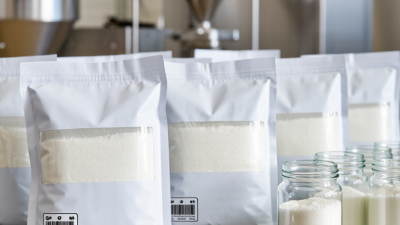
Choosing reliable Sodium Erythorbate suppliers requires more than comparing online prices. This ingredient supports color retention, oxidation control, and freshness in processed foods. Its quality can affect meat products, beverages, canned foods, and bakery applications. A weak specification may create uneven results, even when the label looks correct.
Food scientist Dr. Kantha Shelke has said, “Food safety is not a destination; it is a continuous journey.” This principle fits Sodium Erythorbate sourcing. Buyers should examine assay levels, purity, particle form, packaging, shelf life, and batch traceability. A current certificate of analysis matters. So does the supplier’s response when a technical question becomes difficult.
This guide reviews ten global suppliers using practical criteria. These include manufacturing experience, quality systems, export capability, documentation, production capacity, and customer support. Public information alone cannot prove every supplier’s performance. That limitation deserves attention. A company may show impressive facilities yet provide slow communication or inconsistent delivery. Another may offer competitive pricing but lack regional stock.
The shortlist is therefore a starting point, not a final verdict. Buyers should request samples, confirm food-grade compliance, and compare actual batch documents. Check the fine print. Packaging condition also matters, especially after long sea transport. Moisture exposure can damage product performance.
The companies discussed here represent different strengths across global markets. Some focus on scale. Others provide stronger technical assistance or flexible order volumes. The best Sodium Erythorbate supplier depends on application, location, and purchasing risk. Careful verification remains essential.

Sodium erythorbate is the sodium salt of erythorbic acid, a food-grade antioxidant commonly identified as E316. It resembles vitamin C chemically, but it does not provide the same nutritional value. Its main function is protection. It slows oxidation, helps preserve color, and supports a more consistent flavor during processing and storage.
In cured meats, sodium erythorbate helps maintain a stable pink color and can speed the curing reaction when used correctly with approved curing ingredients. It also appears in processed seafood, canned fruits, vegetables, beverages, and some bakery applications. The powder is usually white or nearly white and dissolves easily in water. Small details matter. Moisture, heat, and poor packaging can reduce its performance.
When comparing the top ten sodium erythorbate suppliers worldwide, buyers should examine more than price or production volume. A reliable supplier should provide a current certificate of analysis, batch traceability, specification limits, food-safety documentation, and clear storage guidance. The material should be protected from humidity and excessive heat during transport. Regulatory acceptance can differ between countries, so local requirements must be checked before purchase. In practice, a supplier may look dependable on paper yet offer inconsistent batches. That possibility deserves attention. Testing incoming material remains a sensible step, especially for manufacturers managing sensitive color, flavor, or shelf-life targets.
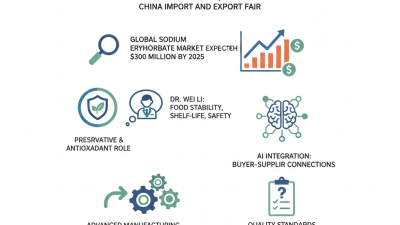
Evaluating sodium erythorbate suppliers requires more than comparing prices on a spreadsheet. Start with product identity, intended food use, and documented manufacturing controls. Ask for a current specification, certificate of analysis, safety data sheet, and traceability statement. Check assay, moisture, pH, heavy metals, microbiological limits, and declared additives. Small details matter. Lot numbers should connect the delivered bags to production records and test results.
Reliable suppliers can explain their quality system without vague promises. Look for evidence of GMP, HACCP, or relevant ISO-based procedures, then verify the scope. An audit or qualified third-party inspection is stronger than a logo on a website. Request representative samples from more than one batch. Compare color, solubility, odor, and analytical results under your own laboratory conditions. Do not rely on one perfect sample. That mistake is easy to make. Packaging also deserves attention. Moisture-resistant bags, clear labels, pallet protection, and realistic shelf-life data reduce avoidable losses.
Global supply adds practical risks. Evaluate production capacity, minimum order quantities, lead times, export documents, and backup shipping routes. Ask how the supplier handles deviations, complaints, recalls, and delayed raw materials. Fast replies are useful, but documented corrective action matters more. Pricing should include freight, testing, insurance, and possible port delays. Some suppliers offer impressive terms but weak batch consistency. I would record every answer in a comparison sheet and score evidence, not confidence. Independent verification remains worthwhile. Even experienced buyers can overlook a missing test method or an unclear origin statement. That gap deserves a question before the purchase order.
The top 10 sodium erythorbate suppliers worldwide should be assessed by evidence, not visibility alone. Reliable suppliers provide food-grade documentation, batch-specific certificates, and clear production details. Their quality systems should cover assay, moisture, heavy metals, microbiological limits, and packaging hygiene. A useful shortlist may include established producers from Asia, Europe, North America, and other export-focused regions.
Look for suppliers with steady manufacturing capacity and practical shipping experience. They should offer moisture-resistant bags, pallet protection, and traceable lot numbers. Technical teams should explain dosage, storage, and compatibility with processed meat or other permitted food applications. Samples matter. A clean powder and consistent test results can reveal more than a polished website. I would also check audit records and response times before approving a long-term contract.
Price alone misleads.
The strongest candidates usually answer technical questions clearly and replace incomplete documents without delay. However, no supplier ranking stays perfect. Production changes, freight disruptions, and regional standards can affect performance. Buyers should compare current certificates, independent test results, and recent delivery records. One overlooked detail is storage: heat and humidity may damage product quality before use. A careful purchasing review should therefore examine the entire supply chain, not only the quoted price or annual capacity.
When comparing the top 10 sodium erythorbate suppliers worldwide, quality should lead the review. Buyers should request current specifications, certificates of analysis, allergen statements, and traceability records. Key checks include assay, moisture, heavy metals, microbiological limits, and packaging integrity. A clean sample is useful. It is not enough.
Capacity also needs practical verification. Ask for monthly production, batch size, lead time, and emergency supply options. A supplier may quote impressive capacity but lack stable raw material planning. Trial orders can reveal consistency, communication speed, and loading accuracy. These details often matter more than a polished sales presentation.
Certifications help measure reliability, but their scope requires careful reading. Food-grade suppliers may hold HACCP, ISO 22000, FSSC 22000, GMP, halal, or kosher certifications. Confirm that each certificate covers the actual manufacturing site and product category. Geographic reach should include export experience, port access, documentation support, and regional warehousing. Delivery is part of quality.
In my experience, the strongest comparison uses weighted scores rather than attractive claims. Quality might receive the highest weight, followed by capacity, certification control, and market reach. Still, the method has limits. Audits capture one moment, while supply performance changes. Rechecking records and testing later shipments remains necessary. Reliability must be observed, not simply promised.
| Rank | Supplier Profile | Primary Supply Region | Product Identity | Typical Declared Quality | Annual Capacity | Common Certifications / Documents | Available Forms | Export Reach | Buyer Considerations |
|---|---|---|---|---|---|---|---|---|---|
| 1 | Supplier Profile 01 | East Asia | Sodium erythorbate, INS 316 / E316; CAS 6381-77-7 | Food-grade material commonly specified to FCC or equivalent requirements; assay and moisture must be confirmed by lot-specific COA | Not publicly disclosed; verify by written production statement | GFSI-recognized food-safety certificate, HACCP, GMP, allergen statement, non-GMO statement, COA | Powder; standard export bags; private-label packing subject to agreement | Asia, Europe, North America, Middle East, Latin America | Confirm current certificate scope, heavy-metal limits, residual solvents, and batch traceability |
| 2 | Supplier Profile 02 | East Asia | Food additive E316 for antioxidant applications | Typical commercial specification includes identity, assay, loss on drying, pH, clarity, and heavy metals | Not publicly disclosed; request installed-capacity and utilization data | ISO 22000 or equivalent, HACCP, GMP, product specification, SDS, COA | Fine powder; moisture-protective packaging; palletized shipment | Worldwide through distributors and direct export channels | Evaluate dissolution performance, odor, color, packaging integrity, and response time |
| 3 | Supplier Profile 03 | Southeast Asia | Sodium salt of erythorbic acid used in food processing | Food-grade specification aligned with applicable national food-additive regulations; independent testing recommended | Not publicly disclosed | HACCP, GMP, ISO 9001 or ISO 22000, allergen and origin declarations | Powder; 20–25 kg industrial bags are commonly offered | Regional Asian markets with selected overseas shipments | Check import registration, local labeling rules, and stability under intended storage conditions |
| 4 | Supplier Profile 04 | South Asia | E316 antioxidant for meat, beverage, and processed-food applications | Assay, moisture, pH, solubility, and microbiological limits should be defined in the buyer-approved specification | Not publicly disclosed | HACCP, GMP, food-safety management certificate, SDS, technical data sheet, COA | Powder; bulk and smaller commercial packs may be available | South Asia, Africa, Gulf markets, and selected European buyers | Validate export experience, documentation accuracy, lead time, and container-loading practices |
| 5 | Supplier Profile 05 | China | Sodium erythorbate, food-grade antioxidant; INS 316 | Commercial products generally provide a specification sheet and batch COA; exact limits vary by grade | Not publicly disclosed; capacity claims require documentary verification | HACCP, GMP, ISO 22000, export compliance documents, COA, SDS | Powder; moisture-resistant multiwall bags or customized packaging | Broad international trading coverage | Compare test methods, certificate validity, production-site address, and lot consistency |
| 6 | Supplier Profile 06 | Europe | Food-grade sodium erythorbate supplied under European food-additive requirements | Traceability and regulatory documentation are typically emphasized; verify current food-grade status | Not publicly disclosed | FSSC 22000, BRCGS, IFS, HACCP, GMP, REACH-related documentation where applicable | Powder; regional warehousing may support smaller order quantities | European Union, United Kingdom, Middle East, and North Africa | Often suitable for buyers prioritizing regulatory support and shorter regional delivery times |
| 7 | Supplier Profile 07 | North America | Sodium erythorbate for food-manufacturing and ingredient-distribution channels | Documentation generally focuses on FCC/food-grade conformity, allergen status, and traceability | Not publicly disclosed; may represent distribution rather than manufacturing capacity | GFSI certificate for the applicable site, HACCP, GMP, COA, SDS, regulatory statement | Standard powder packaging; local inventory may be available | United States, Canada, Mexico, and selected overseas markets | Distinguish stockholder, distributor, and original manufacturer before qualification |
| 8 | Supplier Profile 08 | Latin America | Imported or regionally distributed E316 for processed-food applications | Quality depends on the source plant; require original manufacturer COA and local conformity documents | Not publicly disclosed; distribution inventory should not be treated as manufacturing capacity | Warehouse food-safety system, HACCP/GMP, importer documentation, COA, SDS | Powder; local repacking may be available subject to approval | Latin America with selected cross-border distribution | Assess customs support, Spanish/Portuguese documentation, and continuity of imported supply |
| 9 | Supplier Profile 09 | Middle East | Food-grade sodium erythorbate for meat, poultry, and processed-food sectors | Buyer specification should cover assay, moisture, purity, microbiology, heavy metals, and storage life | Not publicly disclosed | HACCP, GMP, ISO 22000, halal documentation where applicable, COA, SDS | Powder; industrial bags and distributor packs | Gulf Cooperation Council markets, North Africa, and nearby regions | Confirm halal scope, storage conditions, temperature exposure, and port-to-warehouse logistics |
| 10 | Supplier Profile 10 | Global Distributor Network | Sodium erythorbate sourced from qualified third-party manufacturing sites | Quality is source-dependent; original COA, specification, and certificate scope must be reviewed for every source | Not applicable as a manufacturing figure; report warehouse availability separately | Distributor quality system, supplier approval program, HACCP/GMP evidence, COA, SDS | Powder; multiple pack sizes may be available | Multi-region coverage through local warehouses and agents | Useful for smaller volumes and regional fulfillment; verify source consistency and change-control procedures |
Selecting a sodium erythorbate supplier requires more than comparing prices. Start with identity, purity, and production consistency. Codex GSFA lists sodium erythorbate as INS 316, an antioxidant used under specified food categories. JECFA evaluations also support reviewing acceptable use levels and technical specifications. Ask for a current certificate of analysis, allergen statement, heavy-metal results, and microbiological data. One missing document can delay a shipment.
Check manufacturing controls before signing a contract. Request ISO 22000 or FSSC 22000 certification, recent third-party audit results, and batch traceability records. The supplier should explain moisture control, packaging layers, storage temperature, and expected shelf life. A 2024 food safety survey by the International Food Information Council found that consumers increasingly value transparent ingredient information. That pressure reaches manufacturers and their suppliers. It is easy to overlook packaging. That is a mistake.
Tips: Build a weighted scorecard. Give quality documentation 30%, regulatory support 25%, delivery reliability 20%, technical service 15%, and price 10%. Test at least two production lots before approval. Compare dissolution, color protection, and performance in your actual formulation. Review the supplier’s response time during a complaint simulation. A low price may be false economy. I would also challenge my own shortlist every six months, because certificates can remain valid while operational quality changes. Use Codex records, JECFA references, and applicable national regulations during the final review.